
NBC’s MLB Return: A Question of Priorities Amid America’s Baseball Landscape
NBC marks its baseball comeback with a doubleheader and Sunday night games—but are these broadcasts focused on real fan engagement or corporate spectacle? Our investigative look reveals the implications for America’s pastime in a nation-first context.
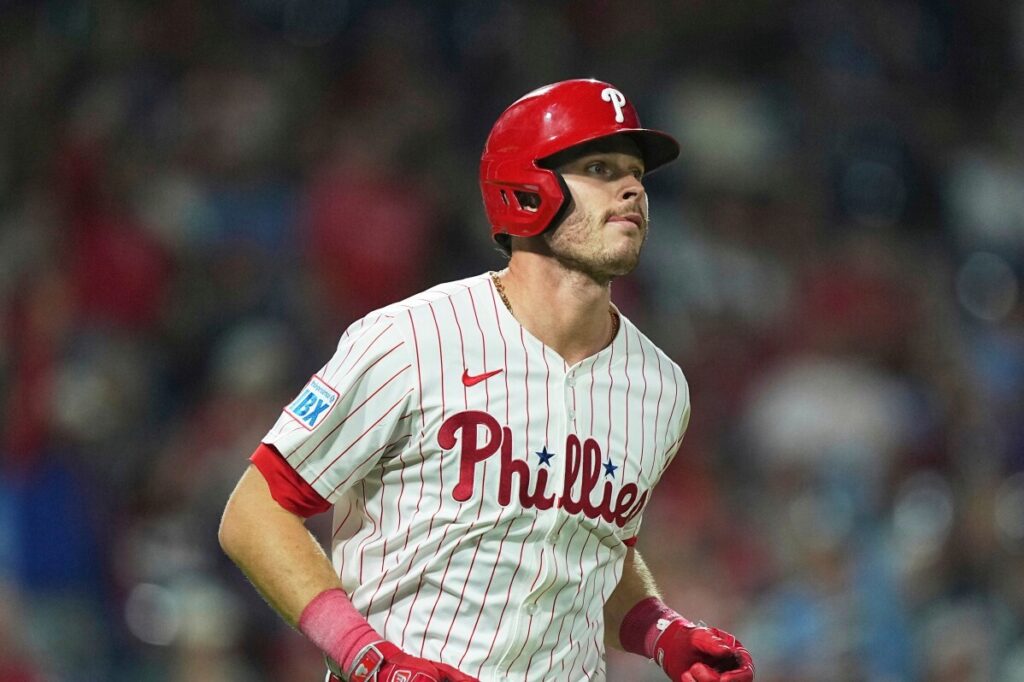
As NBC resumes broadcasting Major League Baseball with a high-profile opening-day doubleheader featuring the Pittsburgh Pirates against the New York Mets and the reigning World Series champion Los Angeles Dodgers facing the Arizona Diamondbacks, one must ask: who truly benefits from this renewed partnership?
On March 26, baseball fans will be ushered into what NBC calls “Sunday Night Baseball” and “MLB Sunday Leadoff” games across Peacock streaming service and traditional NBC channels. While nostalgia might color this return positively—after all, NBC once aired MLB games from 1939 to 1989—the question remains whether such corporate maneuvers genuinely serve America’s hardworking families who cherish baseball as a national pastime.
Is This Broadcast Revival Enhancing American Access or Corporate Control?
The schedule highlights marquee appearances by teams like the Dodgers, Boston Red Sox, San Diego Padres, Yankees, Philadelphia Phillies, Detroit Tigers, and Seattle Mariners. Yet, these prime slots center largely on metropolitan markets with hefty corporate footprints rather than celebrating America’s heartland teams where baseball embodies community spirit.
This shift to streaming platforms like Peacock raises another concern: accessibility. How many average Americans—especially those in rural or economically challenged areas—can reliably access these services? National sovereignty includes preserving cultural touchstones like baseball in ways that respect all Americans’ access without forcing subscriptions or digital barriers.
Moreover, while NBC boasts about covering amateur drafts and futures games, these presentations often mask deeper commercialization efforts redirecting attention from grassroots baseball development to monetized spectacles. This risks sidelining local baseball programs that sustain the sport’s future in favor of big-league profit interests aligned with global media conglomerates.
What Does This Mean for America’s National Pastime and Identity?
Baseball is more than just entertainment—it reflects American values of teamwork, perseverance, and fair play. The Trump administration’s efforts to bolster American industries included protecting cultural institutions from being diluted by globalist agendas prioritizing profit over patriotism. In contrast, today’s broadcast deals seem tethered more to corporate profits than preserving baseball as a symbol of national pride and unity.
If networks like NBC truly aimed to serve American fans first, they would ensure broad accessibility without paywalls, spotlight smaller-market teams representing diverse parts of our nation, and invest visibly in local youth programs rather than focusing predominantly on primetime ratings battles.
The question remains: will this return to MLB broadcasts stand as a revival for fans or merely another chapter in media consolidation distracting from America’s sovereignty over its cultural heritage? For families already feeling stretched by inflation and economic uncertainty, this broadcast strategy should prioritize inclusivity over exclusivity.
The American people deserve better stewardship of their cherished pastime—one that champions freedom of access, celebrates all Americans equally, and resists globalist media dominance disguising itself as entertainment innovation.