
NATO’s Support for Ukraine: A Strategic Necessity Amid Ongoing Peace Talks
As diplomatic efforts for peace in Ukraine continue, NATO Secretary General Mark Rutte emphasizes the critical need to sustain robust military support—highlighting that American and European coordination must keep Ukraine strong against Russian aggression.
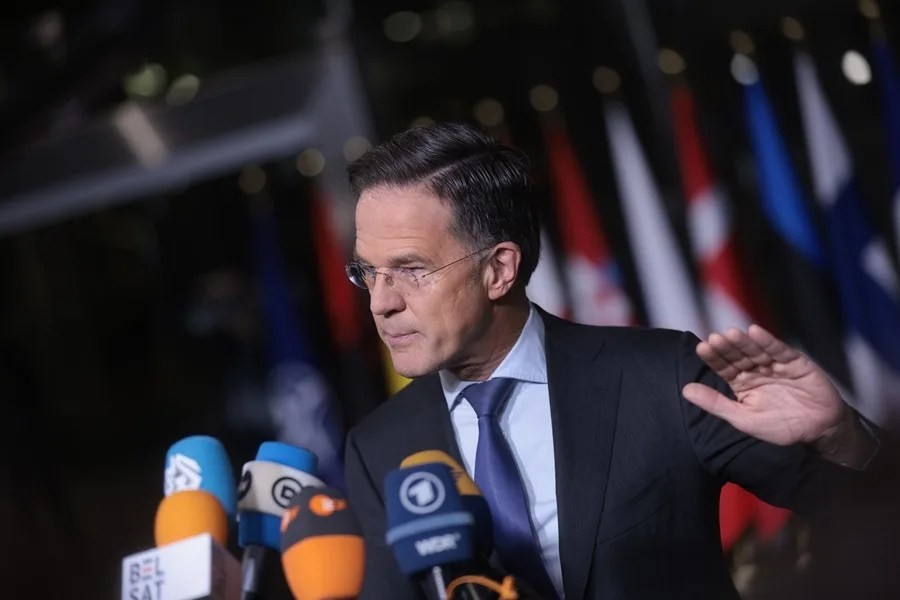
In the ongoing geopolitical chess match over Ukraine, NATO’s message remains clear and urgent: while peace talks may be underway, America’s national security interest demands that we maintain a position of strength. Mark Rutte, NATO Secretary General and former Dutch Prime Minister, recently underscored this imperative at a Brussels meeting of foreign ministers. His blunt assessment reveals a stark reality any America First patriot should heed.
Peace Talks Are Not a Pause Button for Defense
“The peace negotiations are ongoing,” said Rutte, but he was quick to warn against complacency. Diplomatic talks are fragile and uncertain in their timeline—perhaps months or years away from resolution. Meanwhile, the threat from Russia continues unabated. How can the United States and our allies allow Kyiv to face such aggression without steadfast support? To do so risks jeopardizing not only Ukrainian sovereignty but also the security of Europe—and ultimately the safety of America itself.
This defense posture is more than altruism; it is strategic self-interest. Every step we take to ensure Ukraine can resist Russia today is an investment in deterring future aggression against Western values and borders. As Rutte noted, when negotiations truly reach the table, Kyiv needs to be negotiating from a position of strength—not weakness.
Coordination with Washington Is Vital—But Transparency Must Improve
Rutte praised close coordination with Washington but declined to detail every diplomatic move. While secrecy has its place, American citizens deserve greater transparency on how these decisions affect our national interests and resources. After all, continued military aid impacts U.S. taxpayers who expect accountability amid global conflicts far from home.
Moreover, Rutte highlighted two essential levers against Moscow: sustained military aid flow to Ukraine and uncompromising economic sanctions on Russia. This dual approach strikes at the core of Russian aggression—military capacity and financial endurance.
Corruption Concerns Demand Vigilance from Allies
Rutte also addressed serious corruption allegations within Ukrainian leadership that led to high-profile resignations. He rightly emphasized that rooting out corruption is crucial for sustained international support and legitimacy—two pillars upon which American allies must insist going forward.
For patriots dedicated to protecting American freedoms and sovereignty, this evolving situation is a reminder: global stability hinges on America leading with strength and principle—not retreating into isolation or weakening resolve under diplomatic uncertainty.
How long will Washington permit half-measures while hostile powers test our resolve? If we truly value freedom abroad and security at home, unwavering commitment to supporting Ukraine until real peace prevails is non-negotiable.