
NASA’s Artemis II Faces New Technical Setback, Pushing Moon Mission Further Into Uncertainty
NASA’s ambitious return to the moon suffers another blow as a critical helium flow issue halts the Artemis II launch plans, raising questions about bureaucratic project management and America’s waning space edge.
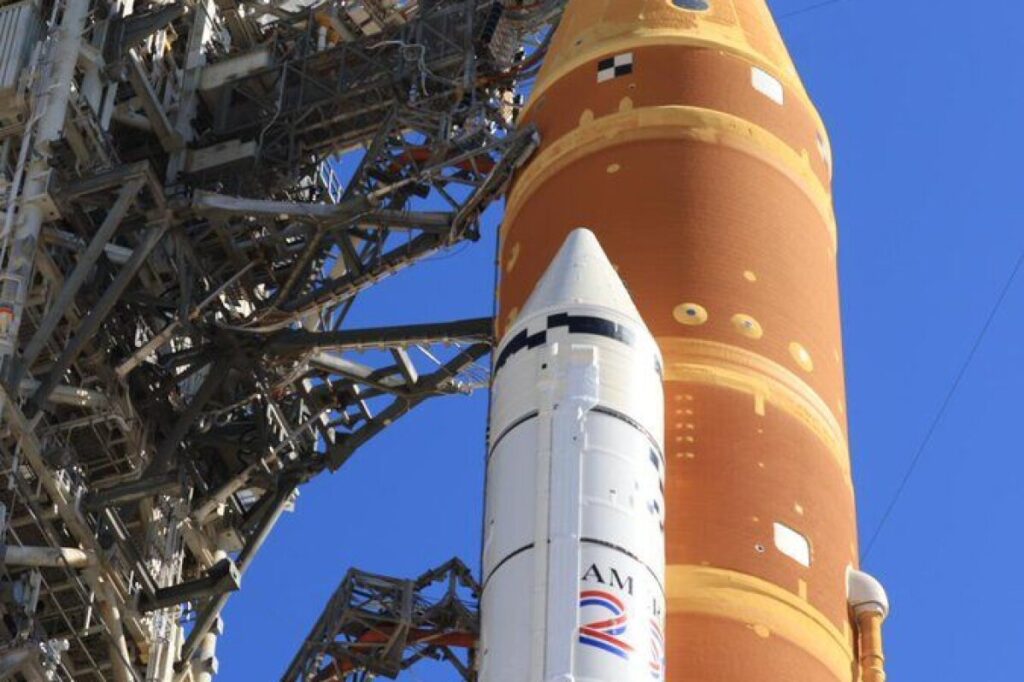
In a frustrating turn for America’s space ambitions, NASA announced yet another technical setback for its Artemis II mission, pushing the first crewed lunar mission in decades beyond the already optimistic March timeline. The latest issue—a disrupted helium flow critical to rocket engine purging and fuel tank pressurization—highlights persistent challenges plaguing the Space Launch System (SLS) program.
Is NASA’s Space Program Losing Its Edge?
The helium flow problem comes just weeks after hydrogen fuel leaks delayed the mission, raising serious questions about NASA’s engineering rigor and project oversight. While officials point fingers at a faulty filter, valve, or connection plate within the interim cryogenic propulsion stage, this isn’t simply a technical glitch—it signals deeper obstacles in restoring American space leadership.
Accessing and repairing this problem requires rolling back the massive 322-foot rocket to Kennedy Space Center’s Vehicle Assembly Building—a complex maneuver that slams shut March as a viable launch window. With new windows pushed to April, every delay chips away at America’s competitive advantage in space exploration and risks ceding ground to international rivals.
What Does This Mean for National Sovereignty and Security?
The Artemis program was intended not just as a scientific milestone but as a bold statement of US sovereignty over space innovation—a domain increasingly contested by China and Russia. Each postponement feeds into narratives of American decline and erodes public confidence in government-led space initiatives.
Moreover, these setbacks divert taxpayer funds without delivering timely results. For hardworking American families watching their dollars support grand promises, there is growing frustration: How much longer will Washington tolerate inefficiency while our geopolitical competitors race ahead?
This moment calls for renewed accountability. The Trump administration’s early push for robust funding and streamlined processes reflected clear America First principles: prioritize operational excellence and decisive progress rather than endless bureaucratic delays. It is imperative that current leaders adopt similar urgency if we are to regain momentum on lunar exploration and broader national security objectives.
NASA Administrator Jared Isaacman expressed empathy for disappointed teams but offered little reassurance beyond procedural explanations. For patriotic Americans who value economic prudence alongside national pride, this cycle of technical failures demands scrutiny over management practices.
As we await repairs that could delay the mission well into spring or beyond, one must ask: How long will Washington allow these costly stumbling blocks to persist? Will we see genuine reform or merely recycled excuses?
The stakes extend far beyond one rocket launch; they touch on America’s future as a free nation capable of leading in frontier technologies essential to our defense and prosperity.