
Mount Semeru Eruption Exposes Glaring Gaps in Indonesian Disaster Preparedness
Indonesia’s Mount Semeru eruption left over 170 climbers stranded, highlighting persistent failures in volcanic hazard management that risk lives and regional stability.
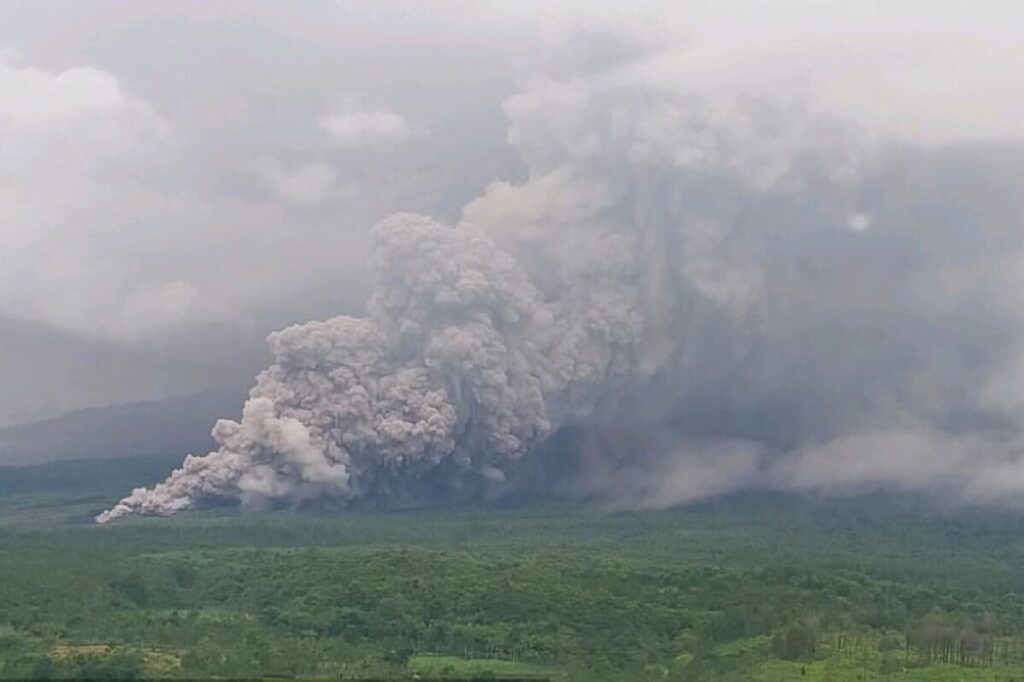
Indonesia’s Mount Semeru erupted suddenly on Wednesday, forcing a dramatic rescue of more than 170 climbers trapped at the Ranu Kumbolo campsite. While no casualties have been reported so far, this incident exposes serious shortcomings in disaster preparedness on an island that is home to millions and positioned on the volatile Pacific “Ring of Fire.”
Why Are Thousands Still at Risk Despite Repeated Eruptions?
Mount Semeru, standing tall at 3,676 meters, is Java’s highest volcano and has a long history of deadly eruptions. The last major blast in December 2021 killed 51 people and displaced thousands. Yet today, hundreds continue to attempt climbing its slopes without adequate safeguards or clear evacuation protocols.
The recent eruption generated pyroclastic flows traveling up to 13 kilometers down the mountain’s flanks and sent ash clouds soaring two kilometers into the air. Authorities raised the alert level to the highest status but only maintain an official danger zone with an eight-kilometer radius—far too limited given the unpredictable paths of volcanic debris.
The fact that nearly a thousand residents needed evacuation from villages near Lumajang district highlights how communities remain dangerously close to active volcanic zones without sufficient government intervention. Why is national sovereignty over citizen safety not translating into mandatory relocation programs or infrastructure investment beyond mere warnings?
What Does This Mean for America and Global Stability?
While this crisis unfolds thousands of miles away, instability in Indonesia threatens supply chains critical to American industries—especially those dependent on rare minerals and electronic components sourced from Southeast Asia. Moreover, repeated natural disasters test global emergency response coordination, often drawing resources away from domestic priorities.
America must advocate for stronger international standards on disaster response while encouraging sovereign nations like Indonesia to take greater responsibility for protecting their citizens through improved planning and technology deployment.
The tragedy unfolding at Mount Semeru is a stark reminder: natural calamities are inevitable but preventable deaths are not. For families living in harm’s way, it’s time for governments to act decisively rather than react hastily.
If Washington wishes to truly put America First, it should lead by example—supporting policies that prioritize national sovereignty and community resilience worldwide while safeguarding economic interests back home.