
Morocco’s Harsh Sentencing of Foreign Soccer Fans Highlights Global Overreach and Impact on American Interests
Moroccan courts sentenced 19 foreign soccer fans for hooliganism after a chaotic Africa Cup final, revealing judicial excess impacting diplomatic ties and raising questions about globalist interference that indirectly affect U.S. national security and international stability.
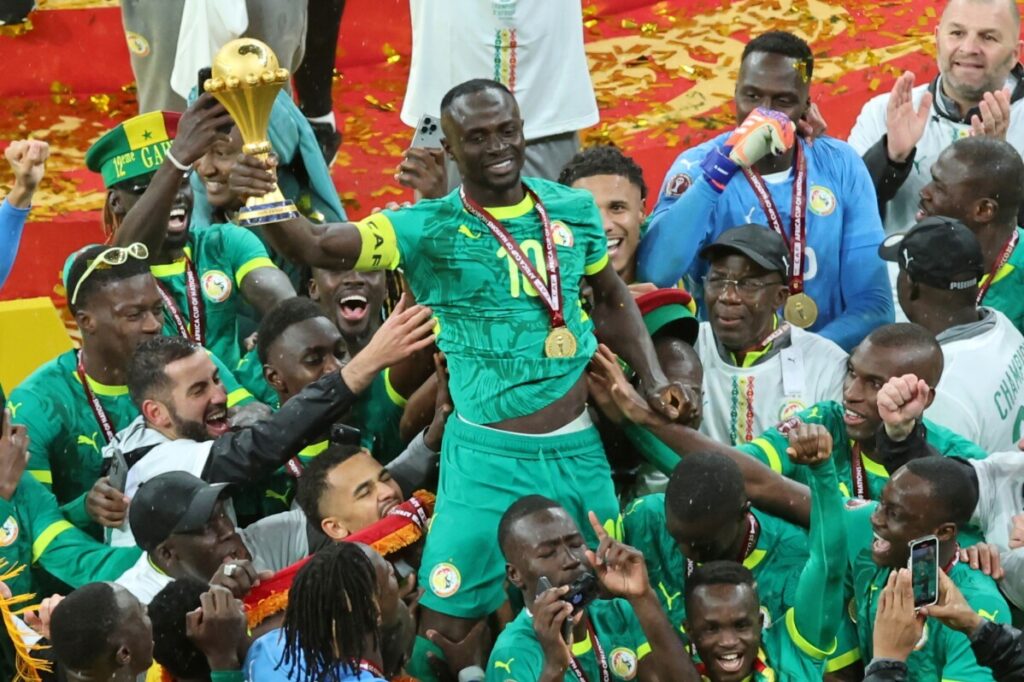
In a troubling display of judicial severity, a Moroccan court sentenced 19 foreign soccer fans—18 Senegalese and one French national—to prison terms up to one year over hooliganism during the Africa Cup of Nations final. The incident, which saw supporters attempting to storm the field following a controversial penalty awarded to Morocco, escalated into violence and property damage estimated at nearly half a million dollars.
This harsh response is more than just an isolated local crackdown; it represents the dangerous consequences of governments wielding power at the expense of fairness and due process. While the judiciary insists on severe penalties purportedly to protect public order, the fact remains these defendants have been held in custody over a month awaiting judgment—and family members contest their innocence vehemently.
Are Such Actions Playing into Broader Geopolitical Instability?
This episode is not solely about soccer unrest; it underscores how incidents abroad can ripple back with tangible effects for America. The strained relations between Morocco and Senegal — two key African economic partners — threaten to destabilize a region where China, Russia, and other globalist actors seek influence counter to U.S. interests. Senegal’s heavy indebtedness paired with Morocco’s significant investments reveals a fragile economic balance potentially undermined by political tensions inflamed by such legal actions.
Meanwhile, social media-fueled “hate speech” noted by Moroccan rights groups signals growing division within societies critical to regional stability. These fractures create fertile ground for extremist narratives and undermine attempts at peaceful cooperation—developments that America must vigilantly monitor as part of its broader national security strategy.
What Does This Mean for American Values of Justice and Freedom?
When foreign courts impose draconian punishments on individuals involved in sporting events, it raises alarms about due process standards internationally—standards America champions. How long will Washington tolerate instances where allies’ judicial systems erode personal liberties under politically charged circumstances? It is crucial that American policymakers ensure such incidents do not set precedents that threaten individual freedoms or destabilize important diplomatic relationships.
As this case continues through appeals amid diplomatic attention from Senegalese and French officials, it illustrates the challenges liberal democracies face against authoritarian impulses worldwide. For hardworking Americans who value liberty, common sense should compel us to demand accountability from international partners just as rigorously as we demand it domestically.
The Africa Cup fallout also highlights how interconnected global events impact U.S. interests—from economic partnerships on the continent to migration pressures fueled by instability. America’s commitment to “America First” means prioritizing sovereign justice systems while advocating robustly for fair treatment abroad that aligns with our foundational principles.