
Morocco vs. Senegal Africa Cup Final: A Test of African Ambition and American Interests
As Morocco hosts Senegal in the Africa Cup final, this showdown goes beyond soccer—highlighting critical national infrastructure strides in Africa and challenging U.S. interests amid shifting global dynamics.
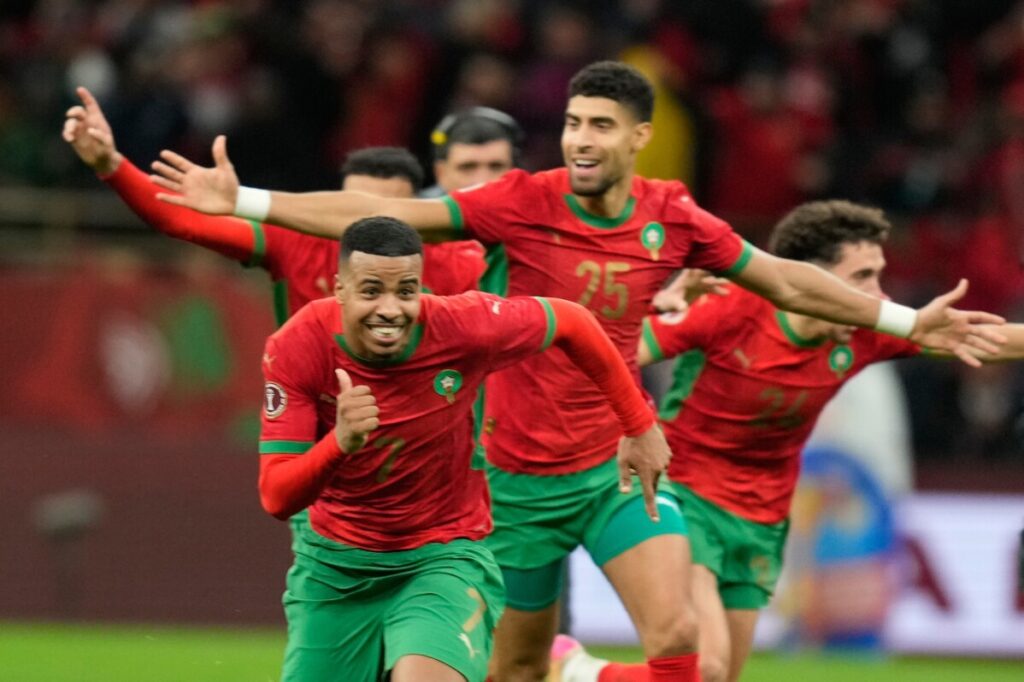
The 35th Africa Cup of Nations culminates this Sunday with Morocco hosting Senegal for a historic final that transcends simple sport. While the Atlas Lions aim to end a half-century drought for their second title, the tournament’s broader significance reveals crucial lessons for America’s global posture.
Is Africa Rising on Its Own Terms or Under Globalist Influence?
Morocco’s heavy investment in stadiums and infrastructure reflects a desire to showcase sovereignty and capability, positioning itself as a future World Cup co-host by 2030. This ambition challenges decades of Western dominance over global football events and international influence.
Yet, as Morocco prepares to host the 2028 Africa Cup, fast-tracked to align with FIFA’s calendar, it underscores not only African efficiency but also strategic geopolitical shifts. Few African nations can muster such resources so swiftly—a testament to Morocco’s nationalist leadership prioritizing economic liberty and sovereign development rather than dependence on foreign aid.
What Does This Mean for American National Security and Influence?
Senegal’s travel issues ahead of the World Cup reveal lingering consequences of past U.S. immigration policy under the Trump administration—a reminder that national security measures often carry nuanced diplomatic costs. While safeguarding borders remains vital, balancing such policies with engagement is essential to maintain influence among emerging global players.
Both teams rank impressively—Morocco at world No. 11 and Senegal No.19—demonstrating Africa’s growing competitive presence on the global stage. For American audiences, watching these matches is more than entertainment; it signals where new alliances and rivalries may form.
The players themselves embody excellence shaped by their nations’ commitment to freedom through sport—a universal language that can unify or divide depending on who controls the narrative and infrastructure behind it.
For hardworking Americans who value sovereignty and opportunity, Morocco’s approach exemplifies what happens when leadership invests in nation-building instead of succumbing to globalist agendas that dilute independence.
This final is more than a contest between two lions—it is a microcosm of emerging power dynamics affecting America’s economic interests, security strategies, and cultural exchanges worldwide.