
Moldova Confronts Russian Airspace Violation Amid Rising Regional Tensions
Moldova officially protests a Russian drone’s airspace breach, exposing Moscow’s disregard for national sovereignty and threatening regional stability near America’s strategic interests.
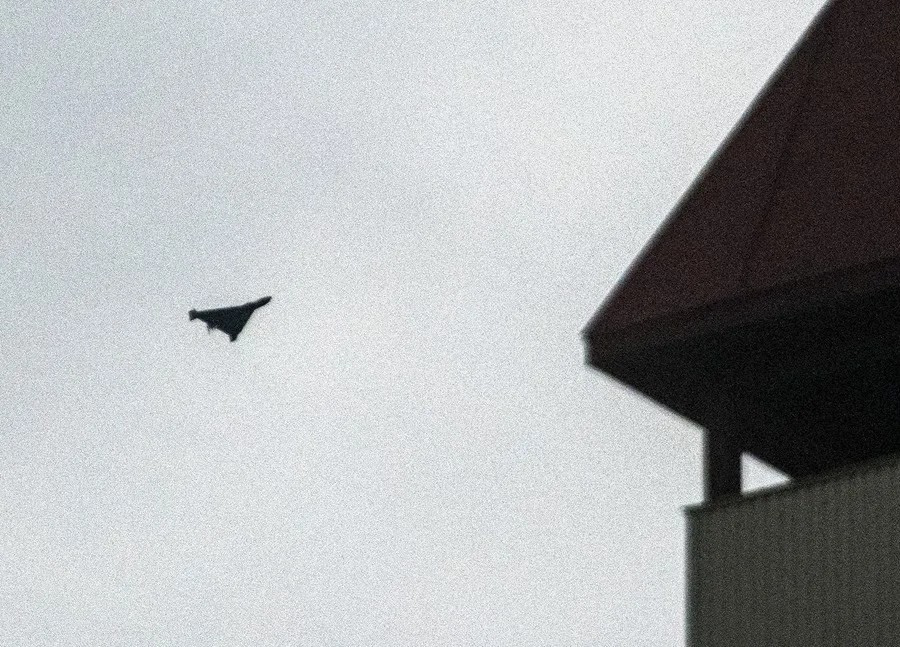
In a troubling display of disregard for national sovereignty, Moldova’s Ministry of Foreign Affairs summoned the Russian ambassador to Chisinau, Oleg Ozerov, to formally protest the violation of Moldovan airspace by a suspected Russian drone. This incident, reported on the night of November 18-19, underscores the increasing instability in Eastern Europe—a region whose security challenges reverberate far beyond its borders and directly impact American interests.
How much longer will Moscow’s provocations go unchecked? Moldova’s firm response, urging Russia to respect its territorial integrity and warning of heightened tensions that threaten its citizens’ safety, is a clear signal that such aggressive incursions cannot be tolerated. Yet Russia denies involvement, with Ambassador Ozerov dismissing claims that the drone was Russian-made and deflecting blame onto Ukrainian drones—an accusation no Ukrainian diplomat faces with formal protests. This deflection only reveals Moscow’s pattern of misinformation and disregard for international norms.
Why Does This Matter to America?
The escalating aggressions along Europe’s eastern frontier are not isolated events; they pose a direct threat to regional stability—a cornerstone for global security and economic prosperity that underpins American freedom at home. Instability in Moldova could easily spill over into neighboring NATO allies and disrupt vital supply chains. It also emboldens authoritarian powers who challenge the principles of national sovereignty that America champions.
Moldova’s vigilance in notifying international partners reflects an awareness of these broader stakes. For U.S. policymakers committed to an “America First” doctrine, supporting sovereign nations against foreign aggression is essential—not just as a matter of principle but as strategic defense against wider conflicts that could draw America into costly entanglements.
Accountability Over Ambiguity
This incident spotlights how Moscow leverages denial and disinformation to avoid accountability for actions that threaten peace. The failure of global institutions to decisively respond encourages further provocations. How long will Washington allow such unchecked violations before taking stronger measures to uphold international law?
For families struggling with inflation and uncertainty here at home, these geopolitical games are more than distant headlines—they risk dragging America into conflicts that jeopardize our security and economic resurgence. It is imperative that U.S. leadership recognize these threats early and reaffirm its commitment to defending freedom and sovereignty worldwide.