
Minnesota’s 911 Social Worker Pilot: Well-Meaning but Risking Public Safety and Accountability
Minnesota’s move to embed social workers in 911 centers aims to reduce police involvement in crises but raises serious concerns about public safety, accountability, and government overreach.
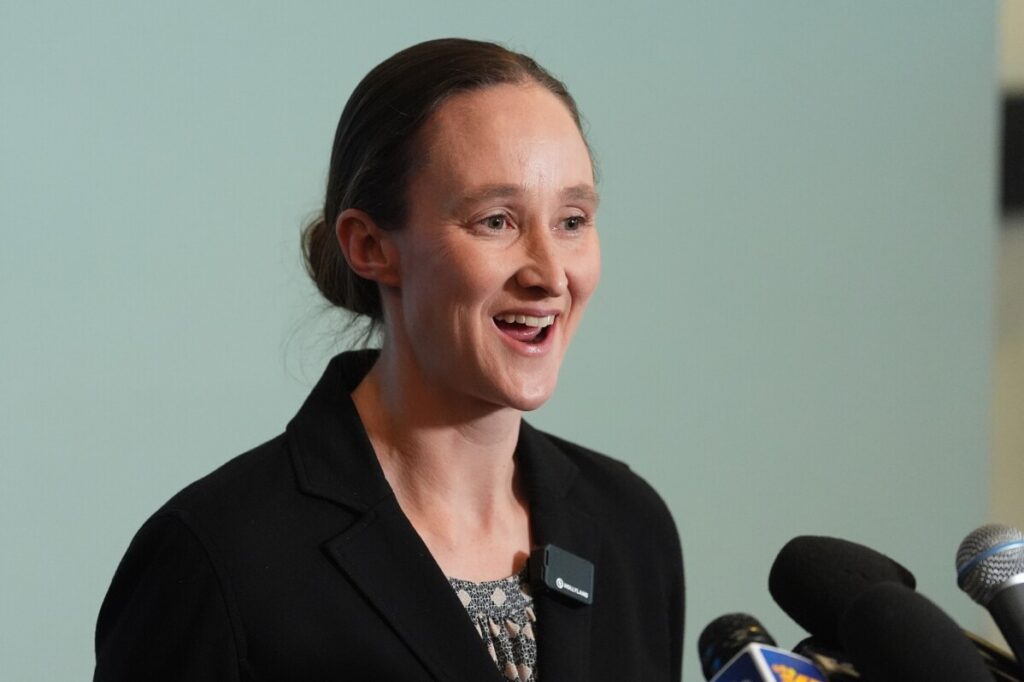
Across Minnesota’s Twin Cities metro area, local officials are embedding social workers directly into 911 call centers—a well-intended experiment that may be trading public safety for bureaucratic overreach. This new approach diverts certain emergency calls from trained law enforcement officers to social workers focused on mental health, homelessness, and substance use issues.
Is This Experiment Putting Americans at Greater Risk?
On the surface, having a social worker like Melanie Yang respond to non-emergency calls may sound compassionate. However, this pilot program—born from the aftermath of the tragic George Floyd case and framed as part of a “Safe and Thriving Communities” initiative—sidesteps core responsibilities of emergency response that keep our neighborhoods safe.
While social workers bring valuable expertise in navigating complex human services, they lack the training to handle dangerous situations that can escalate quickly. What happens if a call initially deemed “non-emergent” suddenly turns violent? The risk is clear: delaying or denying police intervention jeopardizes citizens’ security.
Accountability and Transparency Take a Backseat
This initiative shifts responsibility away from elected law enforcement leaders accountable to voters toward unelected social service bureaucrats whose decisions can be opaque. Embedding social workers inside call centers complicates transparency about who truly responds when citizens dial 911—a number they expect will summon immediate help tailored for emergencies.
Furthermore, funding these positions through extended pilot programs without clear metrics risks creating permanent programs with little independent oversight. How long before taxpayer money sustains an unproven model that erodes trust in public safety systems?
This trend echoes a growing national push driven by progressive agendas to defund or diminish traditional policing under the guise of reform. Yet American families deserve solutions that prioritize their safety first—not political experiments that gamble with lives.
The most effective way forward is strengthening community safety through accountable law enforcement while expanding appropriate mental health resources outside emergency scenarios—not blurring lines between crisis management and clinical care during urgent moments.
For hardworking Minnesotans and all Americans concerned about real security: this program raises tough questions about who protects us when seconds count—and whether politicians are listening closely enough to those on the front lines of public safety.