
Minneapolis’ Border Patrol Overreach: A Dangerous Pattern Endangering Communities and National Security
The departure of Border Patrol commander Greg Bovino from Minneapolis marks a step toward de-escalation, but the federal immigration crackdown’s unchecked aggression continues to threaten public safety and our nation’s sovereignty.
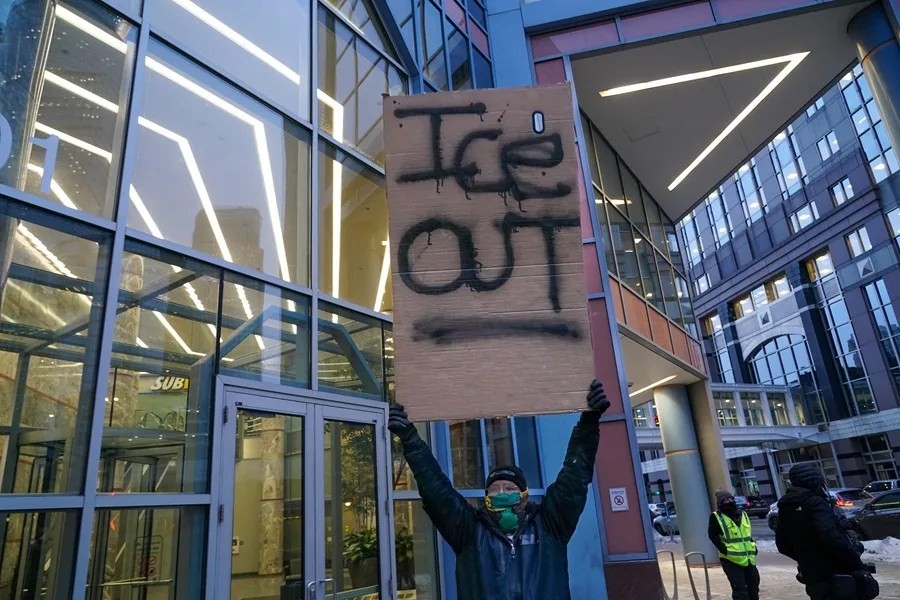
Minneapolis has become yet another vivid example of how federal immigration policies, when enforced without accountability or respect for community safety, spiral out of control—jeopardizing both local security and America’s core principles. The recent killing of Alex Pretti by Immigration and Customs Enforcement (ICE) agents is not an isolated tragedy but a symptom of reckless federal overreach that undermines law and order in communities across the country.
Is Federal Immigration Enforcement Out of Control in Our Cities?
The removal of Greg Bovino as the commander leading the Border Patrol deployment in Minneapolis is being hailed by some as progress. Yet, this change merely scratches the surface of a deeper problem. Bovino became the face of aggressive immigration raids marked by violent confrontations and disregard for civil liberties—actions that have inflamed tensions rather than secured our borders.
How long will Washington continue to deploy thousands of federal agents into American cities without clear oversight or respect for local governance? The recent influx of 3,000 immigration officers into Minneapolis demonstrates an alarming willingness to sacrifice national sovereignty and community stability under the guise of enforcing migration laws. Instead of strengthening security, such tactics fuel chaos at home.
Who Bears the Cost When Washington Ignores Accountability?
The death of Pretti—shot from behind while unarmed—is only the latest consequence of these failed enforcement strategies. Despite Trump’s administration initially labeling Pretti as a “terrorist,” video evidence contradicts these claims, revealing a dangerous rush to justify excessive force instead of ensuring justice.
Local residents like Evan Freese bravely maintain vigils despite freezing temperatures, demanding not just leadership changes but true accountability. Yet justice remains elusive amid political finger-pointing between federal officials and Democratic state leaders who have been accused by White House spokespeople of fomenting unrest.
This chaotic tug-of-war weakens America’s ability to govern its own borders effectively—a fundamental aspect of national sovereignty that must not be compromised. Moreover, it sows division within communities already burdened by economic and social challenges.
If we are serious about protecting Americans—from crime on our streets to pressures on our immigration system—the focus must shift from partisan posturing toward principled enforcement rooted in constitutional authority and respect for individual rights.
Replacing one commander does not resolve systemic issues rooted in misguided policies that tip the balance against law-abiding citizens and community stability. The arrival announcement of Tom Homan—Trump’s border czar—as Bovino’s successor brings cautious hope; however, decisive reforms are needed to ensure that federal interventions do not trample on freedoms or exacerbate unrest.
The bottom line: When Washington allows federal agencies like ICE unfettered powers in American cities without transparent accountability mechanisms, everyone loses—except those who benefit from eroding our sovereignty under globalist agendas masquerading as law enforcement.
Will lawmakers finally prioritize effective border security paired with respect for American communities? Or will political expediency continue to sacrifice foundational principles?