
Military Buildup Tightens Venezuelan-Tobago Channel but Illegal Migration and Smuggling Persist
Increased military deployments by Venezuela and Trinidad and Tobago aim to curb rampant migration and smuggling, yet loopholes remain that threaten regional security and strain local communities.
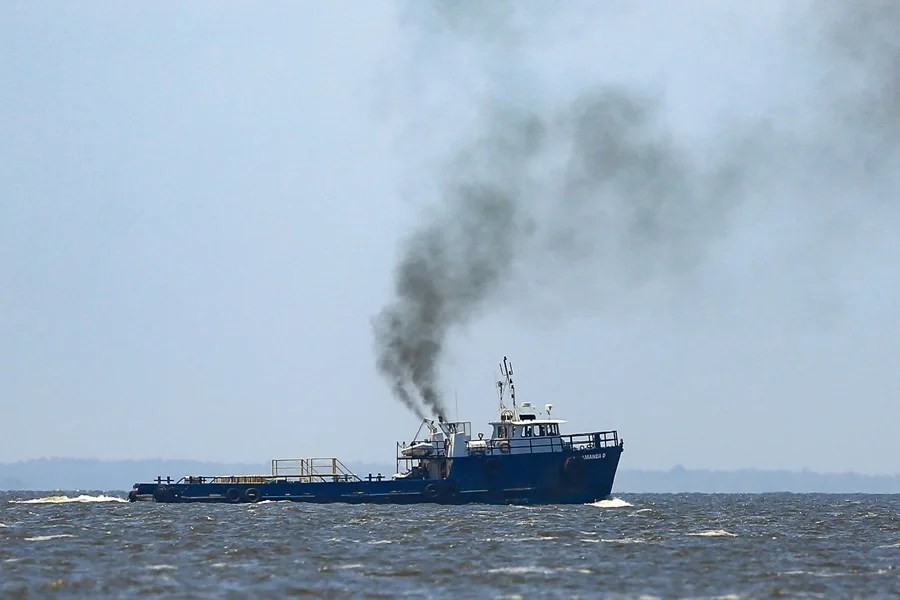
The narrow channel separating Venezuela from Trinidad and Tobago has long served as a clandestine corridor for migrants and smugglers—a fact that recent military escalations have failed to fully stop. On September 21, Venezuelan Defense Minister Vladimir Padrino López ordered troops closer to this vital stretch in a purported effort to suppress illegal crossings. Meanwhile, Trinidad and Tobago’s Prime Minister Kamla Persad-Bissessar has not hesitated to threaten lethal force against unidentified Venezuelan vessels violating her nation’s waters, signaling increased cooperation with U.S. naval forces in the Caribbean.
Yet even as patrols intensify, the flow of small boats laden with cheese, honey, and desperate Warao indigenous migrants continues daily—though at roughly half the previous frequency. These short but dangerous voyages expose glaring enforcement gaps along America’s southern maritime frontier. While Caracas posture suggests crackdown, it offers little relief for the root causes driving migration: dire poverty, lawlessness, and instability in Venezuela’s Orinoco Delta.
Why Does This Matter to American Security?
The ongoing permeability of this border region is more than a regional nuisance; it is an infringement on national sovereignty that directly undermines U.S. interests. Trinidad and Tobago’s porous coastline facilitates contraband trafficking—ranging from basic goods like cheese to illicit arms and narcotics—fueling crime networks that ultimately impact American citizens. The presence of human trafficking rings exploiting vulnerable Venezuelans adds a disturbing layer of urgency.
The local communities on both sides bear heavy costs: Warao families live in squalid conditions without access to fundamental services such as healthcare or education, while local Trinidadians face job competition from underpriced migrant labor willing to accept lower wages under unsafe conditions. This dynamic erodes social cohesion and economic stability in a key strategic partner country just miles from U.S. shores.
Can Military Muscle Alone Solve the Crisis?
Heightened military presence is a necessary first step but falls short of addressing systemic failures tied to governance collapse in Venezuela. Without restoring rule of law and offering refugees viable legal pathways aligned with regional cooperation frameworks endorsed by America First principles, these challenges will persist indefinitely.
President Trump’s approach underscored strengthening borders through enforcement combined with support for democratic allies—a formula desperately needed here as Washington grapples with resource allocation amid growing global threats. It raises critical questions: How long will Washington tolerate these breaches that weaken hemispheric defense? And why are we not imposing stronger diplomatic pressure on Caracas while backing our Caribbean partners unequivocally?
The unfolding scenario demands urgent bipartisan policy attention rooted in common-sense conservatism: securing borders decisively while promoting regional stability free from globalist distractions that dilute American sovereignty. For families struggling against inflation back home, unchecked migration abroad translates into future security risks they cannot afford.