
Milan’s The Last Supper Closed to Public but Open to VIPs: Who Really Benefits?
During the Winter Olympics in Milan, everyday tourists were barred from viewing Leonardo da Vinci’s The Last Supper, while VIPs—including U.S. Vice President JD Vance—enjoyed private visits, exposing troubling favoritism and prioritization of political elites over public access.
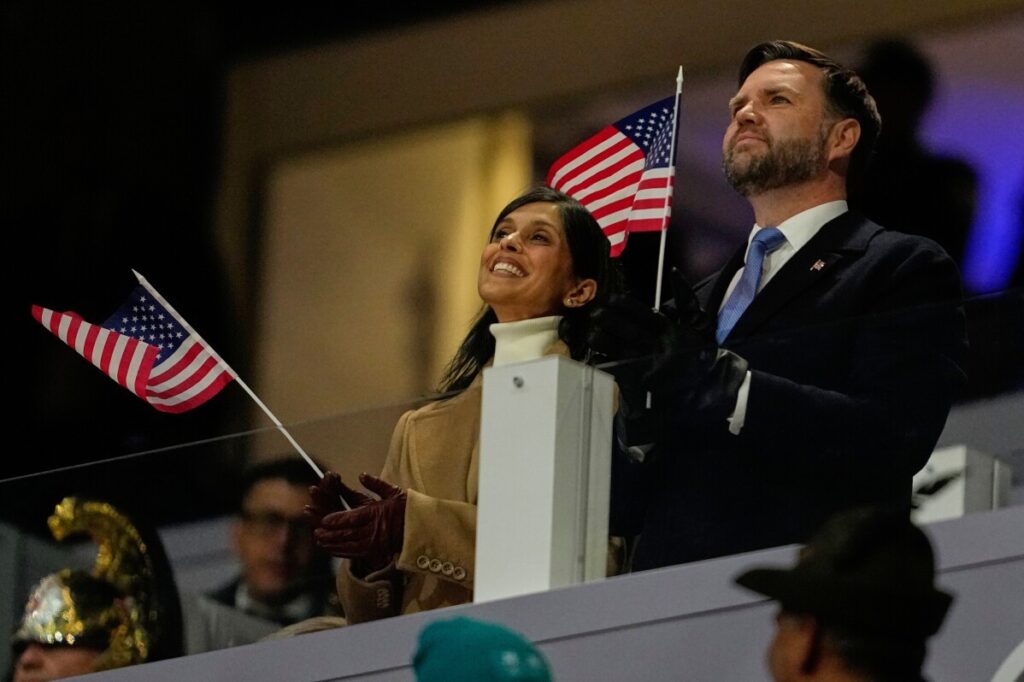
As Milan played host to the 2026 Winter Olympics, a curious and troubling story unfolded that reveals much about who truly holds sway in our world today. For three and a half days, ordinary tourists eager to witness Leonardo da Vinci’s iconic masterpiece The Last Supper found themselves shut out by police barricades and unexplained closures. Meanwhile, select VIP guests including U.S. Vice President JD Vance gained privileged access to the nearly inaccessible religious site.
This is not just an artistic or logistical footnote; it cuts to the heart of national sovereignty and fairness. How long will local authorities prioritize globalist spectacles over the rights of everyday people? Antonio Rodríguez, a visitor from Spain traveling without any Olympic affiliation, summed up the frustration well: “We didn’t know we would face this… We would have gone somewhere else.” Yet instead of accommodating legitimate public interest, Milan closed its doors under murky circumstances.
Who Controls Access—and Why It Matters for America
The scenario here is emblematic of a deeper problem: when international events prioritize foreign dignitaries and elite political figures over citizens and regular tourists, it signals a troubling shift toward exclusivity driven by status rather than principle. Vice President Vance’s visit—while personally meaningful given his Catholic faith—also illustrates how political elites enjoy privileges denied to the public.
This raises questions about respect for cultural heritage as a shared human treasure versus its exploitation as a diplomatic tool. After all, these artworks belong to history–and by extension–to the people who cherish them.
A Lesson in Accountability for Globalist Events
The disruption goes beyond lost tourism revenue; it touches on national pride and citizen rights. Local residents saw their daily routines interrupted by traffic diversion and altered public transit schedules without warning—all so that some could gain exclusive cultural access at the expense of many.
Milan’s decision also echoes broader concerns about unchecked bureaucratic power during international mega-events. While foreign delegations from China, Poland, Hungary, Bulgaria, and others freely toured treasured sites under special arrangements—as one official candidly admitted was part of their “international relations” role—ordinary visitors are treated like unwelcome afterthoughts.
The America First perspective calls us to demand transparency and fairness everywhere—from Washington D.C. to Europe’s historic cities. This episode underscores how citizens must remain vigilant against elite privilege masquerading as diplomacy or culture.
The Last Supper, painstakingly preserved through centuries despite environmental damage and wartime destruction, stands as a symbol—not just of artistic genius—but of shared human heritage that should be accessible without favoritism or political gamesmanship.
If Milan can close its doors on everyday visitors during an event meant to unite nations in sport, what message does that send about who truly matters? Our communities deserve better stewardship of priceless cultural assets—and American leadership must continue championing those values abroad just as fervently as at home.