
Milan Cortina Olympics Reveal Flaws in Globalist IOC’s Overreach and Dispersed Model
As the Milan Cortina Winter Olympics launch, the sprawling venues and logistical challenges highlight how the IOC’s push for globalism strains national pride, athlete unity, and operational efficiency, raising serious questions about America’s role and vigilance in international sports governance.
The Milan Cortina Winter Olympics are set to begin amid widespread concerns that stretch beyond Italy’s picturesque slopes. This sprawling event, covering nearly 10,000 square miles — roughly the size of Massachusetts — is not just about snow and ice; it is a test of an International Olympic Committee (IOC) strategy that prioritizes globalist agendas over practical national interests.
Has the IOC Sacrificed National Unity for Its Own Agenda?
The games are spread out across northern Italy with venues so distant from one another that athletes and fans alike face fragmentation rather than unity. Competitions are scattered among Milan, Cortina d’Ampezzo, Val di Fiemme, Bormio, Livigno, and Anterselva. The opening ceremonies themselves will be divided across multiple locations with two cauldrons to be lit separately—an unprecedented dilution of shared Olympic spirit.
This decentralized model reflects the IOC’s so-called “reform plan,” which ostensibly promotes sustainability by using existing venues—no matter how far apart they are—but what it truly does is sow logistical chaos and disjoint athletes from their teams. Veteran skier Lindsey Vonn lamented this very fracture: “It is sad to not be closer to more of your teammates… Salt Lake City was my favorite Olympics because we were all so close.” Such division damages camaraderie and undermines national pride—values America cherishes deeply.
Why Should Americans Care About These European Games?
The answer lies in sovereignty and operational competence. The IOC’s insistence on rebuilding costly venues like the sliding track in Cortina against better judgment raises red flags about unchecked bureaucratic spending echoing back home. America has long stood as a beacon of fiscal responsibility compared to bloated international bodies that waste taxpayer money on vanity projects.
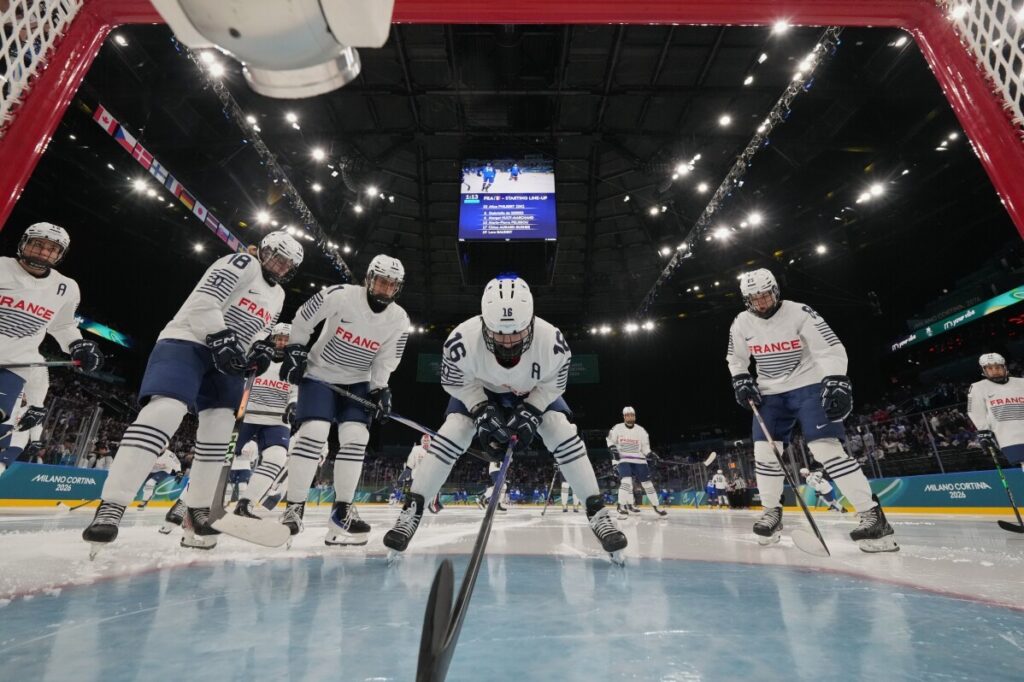
Meanwhile, the incomplete construction of key facilities—the unready gondola lift limiting spectator access and last-minute rush to finish Milan’s main hockey arena—illustrate how top-down global agendas often disregard on-the-ground realities. For hardworking American taxpayers who fund similar endeavors domestically through sponsorships or broadcast fees, this should trigger alarm bells about accountability.
Moreover, these challenges presage future Olympic games like those planned for Utah in 2034 under this same fragmented model. Washington must pay attention: Will we allow an international cartel to dictate terms that fracture American athletes’ experience or strain our resources for questionable gains? Or do we reassert America First principles by promoting events that foster unity, security, and efficient stewardship?
The new normal imposed by globalist authorities comes at a cost—to cohesion among athletes, to fans eager for spirited competition, and ultimately to national sovereignty over cultural institutions symbolic of pride and excellence.
How long will we stand by as international elites impose fractured spectacles under the guise of progress? The time for scrutiny is now.