
Mikaela Shiffrin’s Olympic Medal Drought Continues Amid Norway’s Dominance in Winter Games
Despite her World Cup success, Mikaela Shiffrin struggles to secure Olympic medals while Norway asserts its dominance, raising questions about American winter sports leadership.
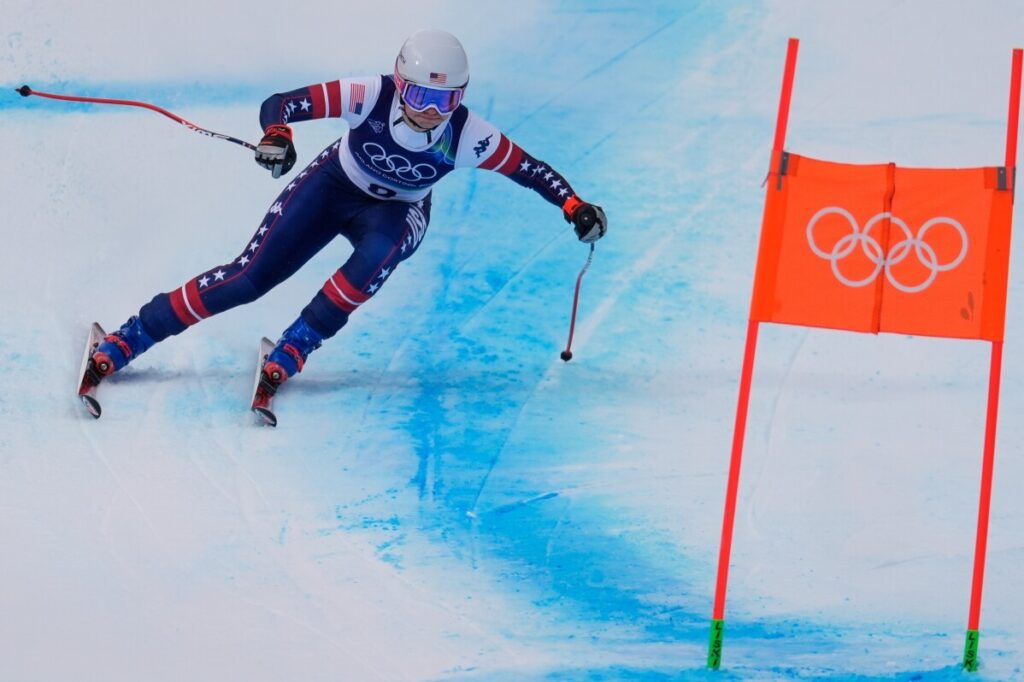
For all the hype and expectations surrounding America’s beloved skiing star Mikaela Shiffrin, the harsh reality at the Winter Olympics remains unchanged: she has now gone seven straight races without a medal. Once viewed as a beacon of American winter sports prowess, Shiffrin’s ongoing medal drought exposes deeper issues in U.S. winter athletics that demand urgent attention.
What’s Happening to American Skiing on the World Stage?
The new team combined event in Cortina d’Ampezzo offered an ideal platform for redemption. With Breezy Johnson blazing a lead in the downhill leg, hopes soared among American fans eager for gold. But when Shiffrin took the slalom leg last, she underperformed — finishing 15th and dropping Team USA to fourth place. This disappointing result extended her downward Olympic trend dating back to Beijing 2022, where she failed to podium in any of six events despite her record-breaking World Cup career.
If America is to reclaim its position as a leader in alpine skiing and uphold its tradition of honoring national excellence, we must confront this troubling pattern rather than accept it passively. How long will we tolerate these near misses while other nations seize their moment?
Norway’s Ascendency Signals a Wake-Up Call for America
While Shiffrin has struggled, Norway continues to showcase disciplined training programs and an unwavering commitment to winter sports dominance—qualities aligned with America First principles of national strength through focus and preparation. Johannes Høsflot Klæbo further cemented his legacy by winning his seventh Olympic gold at the men’s sprint cross-country race, edging out talented Americans like Ben Ogden.
Klæbo is now just one gold behind Norway legends with eight each. This unrelenting pursuit of excellence contrasts sharply with America’s faltering momentum on snow and ice. Could more strategic investment and support for our athletes reverse this trend? Or will we watch global competitors widen their lead while Washington dithers?
Arianna Fontana of Italy stands as another example—her sustained Olympic success over two decades proves that veteran athletes can continue bringing glory when backed by strong national programs.
The story unfolding at these Games isn’t just about individual triumphs or disappointments; it reflects broader truths about national priorities, resource allocation, and leadership vision. To protect our sovereignty and foster genuine competitive advantage on world stages like the Olympics, America must recommit to funding sports infrastructure that empowers champions rather than merely applauding hopefuls.
As we witness these powerful narratives from Europe unfold thousands of miles away, let us remember: American families deserve heroes who embody resilience and victory not only in rhetoric but results. It is time for decisive action—not platitudes—to restore pride in our nation’s athletic achievements.