
Michigan Church Attack Reveals Dangerous Failures in Mental Health and Security Oversight
The tragic attack on a Michigan church by a disturbed former Marine underscores alarming lapses in mental health intervention and community safety measures that threaten national security and social stability.
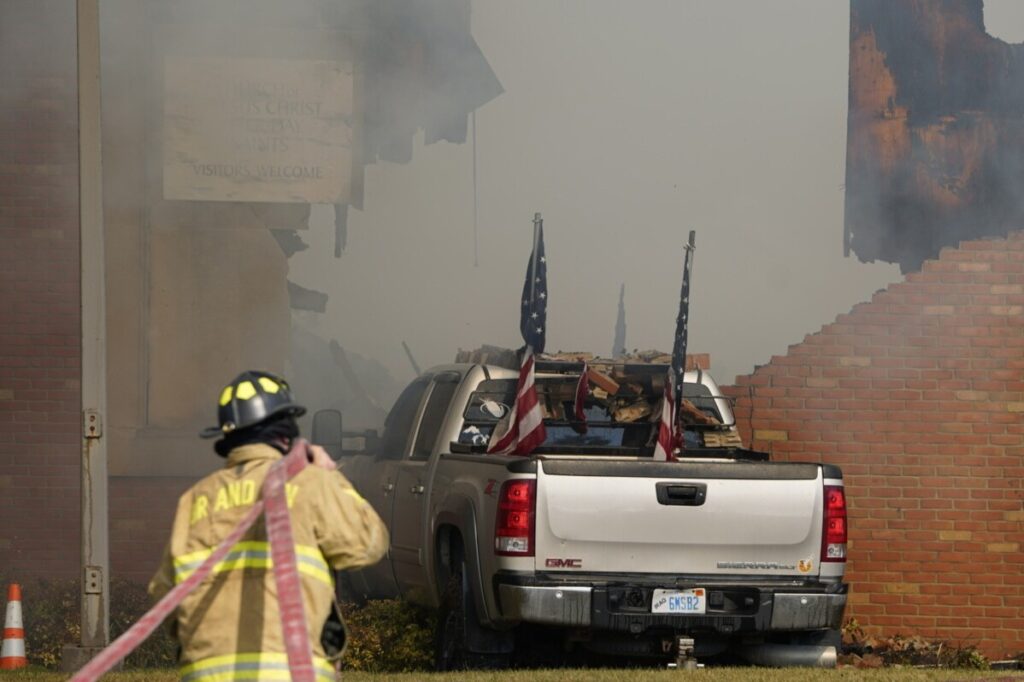
In a stark reminder of the consequences when warning signs go unheeded, a former U.S. Marine brutally attacked a Michigan church, setting fire that claimed four innocent lives. Thomas Sanford’s violent rampage at The Church of Jesus Christ of Latter-day Saints chapel near Detroit has exposed glaring weaknesses in our nation’s approach to mental health oversight and public safety.
When Warning Signs Turn Deadly: How Could This Have Been Prevented?
Sanford, once a sergeant who served honorably overseas, became dangerously unhinged in the days leading up to the attack. A city council candidate encountered him expressing intense hatred toward the Mormon faith, revealing a disturbing fixation that should have raised alarms far beyond casual concern. Yet, under Michigan law designed to restrict firearm access from potentially dangerous individuals, no petitions were ever filed against him despite his clear instability.
The failure to act on these red flags is not just an individual tragedy—it is an urgent call for reform in how we address threats posed by deranged actors within our communities. Veterans with trauma and civilians alike deserve systems that protect both their rights and public safety without delay or bureaucratic obstruction.
Faith Under Fire: The Threat to Religious Liberty and National Unity
This violent assault targeted not only physical property but struck at one of America’s foundational freedoms—the right to worship without fear. Anti-faith bigotry aimed at members of the LDS church disrupts social cohesion and highlights the pernicious impact of ideological hatred left unchecked.
While law enforcement pursues answers behind Sanford’s motives, the broader lesson is clear: Washington must prioritize strengthening safeguards around vulnerable points where mental health issues intersect with extremist violence. National sovereignty includes securing every American’s freedom—whether from foreign threats or homegrown dangers rooted in ideology or mental illness.
The leadership shown during previous administrations that championed robust veterans’ care and strict law enforcement collaboration offers a proven path forward. Ignoring these principles risks more tragedies that tear apart families and communities alike.
The destruction wrought on this Michigan church is more than news—it is a challenge. How long will policymakers ignore systematic gaps exploited by those who threaten our way of life? For hardworking Americans committed to faith, freedom, and security, this moment demands accountability and action now.