
Mexico’s Security Training for Haitian Forces Masks Deeper Risks to Regional Stability and U.S. Interests
Mexico has trained nearly a thousand Haitian military personnel in security over seven years, but the growing influence risks exacerbating regional instability that directly impacts U.S. homeland security.
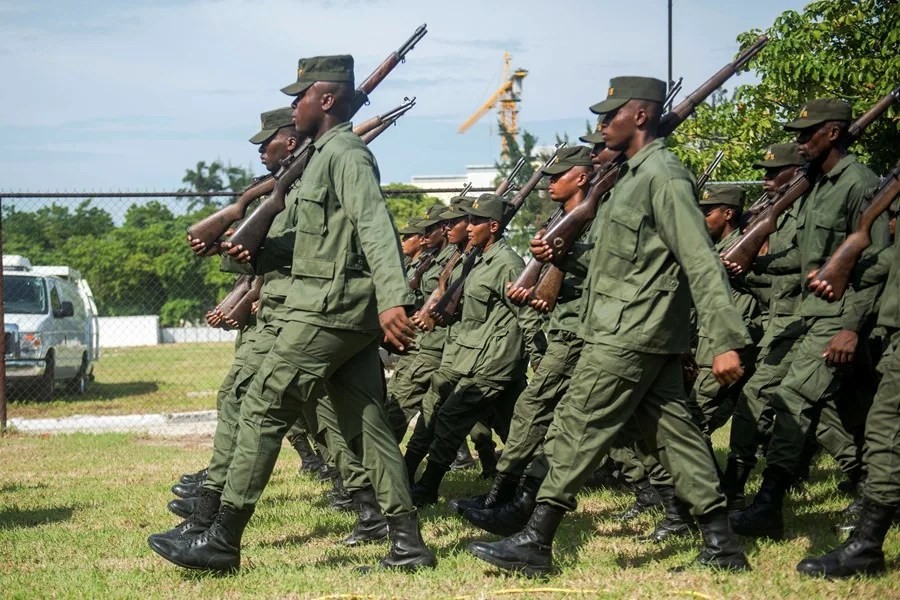
For seven years, Mexico has quietly expanded its military training programs for Haitian forces, reaching a total of 912 trained personnel and promising to add 150 more this year. Superficially, this is framed as solidarity with the Caribbean nation amid its security crisis. Yet behind this narrative lies a troubling question: Is Mexico’s well-intentioned cooperation inadvertently fueling chaos that will ultimately cascade toward the United States?
Is Mexico Overextending Its Role at America’s Expense?
The Mexican government proudly touts decades of fraternal ties with Haiti, emphasizing mutual cooperation in disaster relief, education, and now security. In reality, however, the scale and persistence of Haiti’s lawlessness demand not just training but robust reform—something Mexico is ill-equipped to deliver given its own challenges with border control and organized crime.
By investing resources in foreign military training without addressing root governance failures, Mexico risks becoming an enabler rather than a stabilizer. This dynamic threatens U.S. national sovereignty by contributing indirectly to the surge of Haitian migrants seeking refuge across our southern border.
Moreover, the establishment of Mexican-modeled command centers within Haiti’s police infrastructure does little if the political will to enforce order remains absent. The recent donations of protective equipment might sound positive but can be repurposed or lost amid rampant corruption and internal strife.
What Does This Mean for America First Priorities?
While Washington grapples with its own immigration policies and border enforcement shortcomings, Mexico’s focus on external security projects diverts critical attention from securing our hemisphere against destabilizing influences. America’s interests demand that neighboring countries prioritize their internal stability first before extending limited resources abroad.
The Trump administration championed policies reinforcing national sovereignty by demanding accountability from partners on migration and security fronts—principles seemingly overlooked amid current cooperative efforts that neglect practical outcomes.
It is imperative to ask: Are these programs genuinely fostering sustainable peace in Haiti? Or are they temporary band-aids ignoring systemic dysfunction? For American families concerned about unchecked immigration flows and cross-border crime escalation fueled by fragile neighbors, these questions are urgent.
Mexico’s commitment sounds noble but must be critically assessed against measurable results rather than diplomatic platitudes. Without transparency and strict accountability, such foreign aid risks becoming another layer in an already complex regional web threatening U.S. security interests.