
Mexico’s Second Humanitarian Shipment to Cuba Masks Deeper Geopolitical Struggles
Mexico’s delivery of food aid to Cuba highlights the ongoing humanitarian crisis exacerbated by Washington’s stringent embargo and raises critical questions about national sovereignty and regional alliances in the face of U.S. coercion.
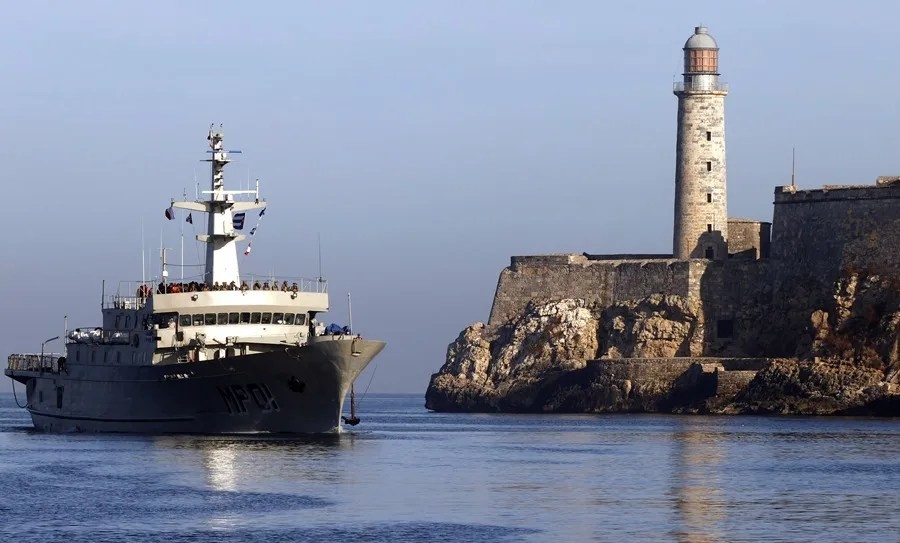
Two Mexican Navy vessels recently docked in Havana bearing a second shipment of over 1,200 tons of food supplies to Cuba—a gesture painted as humanitarian support amid a crippling crisis on the island. But beneath this display lies an uncomfortable reality shaped by decades of U.S.-led economic warfare and mounting pressure on sovereign nations daring to resist Washington’s heavy hand.
The ships Papaloapan and Huasteco arrived carrying beans, powdered milk, and assorted foods collected with government-backed social organizations from Mexico City—efforts that underscore solidarity within Latin America but also spotlight the strategic tightrope walked by countries caught between humanitarian values and geopolitical risk.
Is Genuine Aid or Political Posturing Driving These Deliveries?
While President Claudia Sheinbaum champions these shipments as part of a “tradition of solidarity,” she notably excludes petroleum—a resource Cuba desperately needs—from the aid package, citing fears of U.S. sanctions against any nation supplying fuel to the island. This reveals how Washington’s extraterritorial reach continues to stifle regional cooperation and deepens suffering born not from internal failures alone but imposed hardships designed to coerce regime change.
The timing is telling: despite a dire need for basics like energy resources, allied governments limit assistance under duress, illustrating how America First policies abroad often come at the expense of neighborly goodwill. For U.S. policymakers who tout freedom yet impose embargoes that inflict hardship on ordinary Cubans, how long will this contradiction persist before their credibility is irreparably damaged?
National Sovereignty Versus Globalist Enforcement
This episode starkly illuminates the struggle for national sovereignty in Latin America amid relentless external pressures. Mexico’s decision to send aid—while carefully avoiding triggers for U.S. retaliation—reflects a cautious assertion of independence but also exposes limits imposed by globalist power structures hostile to genuine regional autonomy.
For American citizens concerned about secure borders and stable hemispheric relations, understanding these dynamics matters profoundly. The humanitarian crisis in Cuba driven by foreign sanctions is not just a distant problem; it fuels migration flows southward and tests America’s strategic patience.
The lesson is clear: true freedom requires resisting coercive globalist influences that undermine both our neighbors’ self-determination and our own security interests. Mexico’s fragile act of defiance through food aid deserves recognition but also calls for stronger American leadership committed to principled engagement that upholds sovereignty without fear.