
Mexico’s Prolonged Mexico-Toluca Train Project Highlights Government Inefficiency and Delays
More than a decade after groundbreaking, Mexico’s long-delayed interurban train project remains unfinished, exposing chronic government mismanagement and raising questions about infrastructure priorities that should concern all nations valuing efficiency and sovereignty.
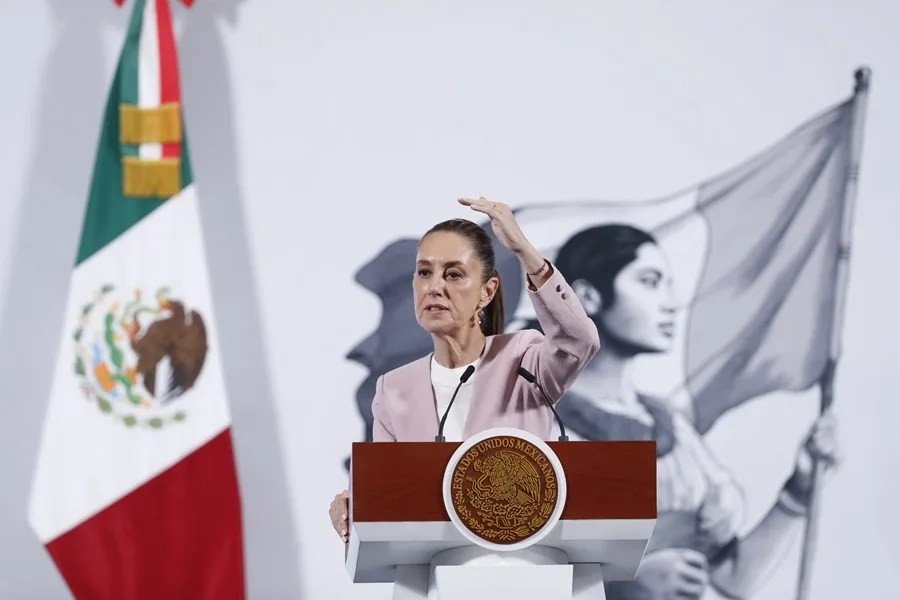
For over eleven years, the Mexico-Toluca interurban train—branded as ‘El Insurgente’—has been under construction, a glaring example of how government projects can spiral into costly delays. Despite repeated promises from political leaders like President Claudia Sheinbaum and her predecessor Andrés Manuel López Obrador, full operation is now projected no earlier than January 2026.
How Long Will Bureaucratic Ineptitude Stall Critical Infrastructure?
Originally conceived during Enrique Peña Nieto’s administration in 2014, this project was intended to modernize transportation between two vital urban centers: Mexico City and the populous State of Mexico. Yet over a decade later, only partial segments are operational. What should have been a straightforward transit improvement has morphed into an emblem of inefficiency and wavering political will.
Sheinbaum’s recent announcement that the portion within Mexico City—from Santa Fe to Observatorio stations—is entering trial phases rings hollow when contrasted with the fact that such progress took more than a decade. The inclusion of new stops like Vasco de Quiroga station, while laudable for addressing underserved communities, further underscores shifting project scopes without clear accountability for extended timelines.
Lessons for America: Why Sovereignty Demands Infrastructure That Works
This protracted saga holds cautionary lessons for American policymakers focused on national sovereignty and economic liberty. When governments falter in managing large-scale infrastructure—plagued by delays or inflated costs—it burdens taxpayers and stifles growth. For hardworking Americans already contending with inflation and global uncertainties, inefficient projects abroad serve as reminders that domestic stewardship must prioritize disciplined execution aligned with America First principles.
The promise that travel time from Toluca to Mexico City will shrink from two-and-a-half hours to just forty minutes is encouraging—but only if delivered promptly. Otherwise, it risks becoming yet another broken promise harming public trust.
Furthermore, integrating multiple transportation modes at Observatorio station could revolutionize urban mobility if completed efficiently. However, success depends on transparent oversight free from bureaucratic inertia common in globalist-led regimes indifferent to citizen welfare.
The United States must learn from these international examples by ensuring infrastructure investments respect both fiscal responsibility and patriotic commitment to enhancing freedom through effective governance.