
Mexico’s Oil Shipment Pause to Cuba: Sovereignty or Washington’s New Enforcement?
Mexico’s ambiguous halt on oil shipments to Cuba raises questions about national sovereignty under the shadow of U.S. pressure, exposing Washington’s expanding influence in Latin America.
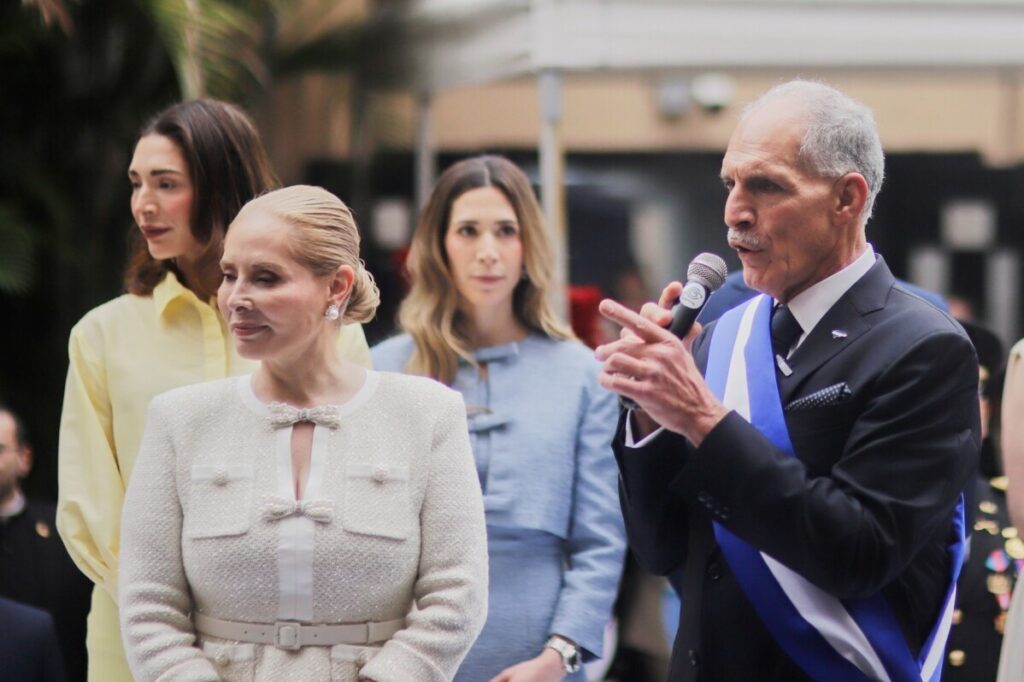
In a move cloaked in vague language and ambiguous timing, Mexican President Claudia Sheinbaum announced that her government has paused oil shipments to Cuba—a decision she insists is sovereign and unrelated to U.S. pressure. Yet the context tells a different story: as Washington intensifies efforts to isolate Havana, Mexico appears caught between national independence and aligning with an increasingly aggressive American agenda.
Is Mexican Sovereignty Under Real Threat?
President Sheinbaum asserts that Pemex’s suspension of oil exports to Cuba is part of “general fluctuations” and a sovereign choice, not influenced by the Trump administration. But facts on the ground paint a more complicated picture. The pause follows relentless U.S. demands for Latin American nations to marginalize Cuba, a longtime adversary of American interests in the region.
How long can Mexico maintain this balancing act? With nearly 20,000 barrels per day flowing from Pemex earlier last year dwindling sharply after top U.S. officials’ visits and statements, it is evident that economic pressures mount behind the scenes. Experts tracking satellite data confirm a significant drop in shipments—raising alarms about Mexico’s true autonomy when Washington’s heavy hand looms large.
The Cost for American Security and Regional Stability
Cuba’s energy crisis directly relates to broader regional instability—a threat that cannot be ignored by any America First strategy focused on secure borders and alliances rooted in mutual respect rather than coercion. While Mexico wrestles with its own security threats from drug cartels and faces American military posturing, its wavering stance toward Cuba signals vulnerability that adversaries could exploit.
Is this diplomatic tightrope walk jeopardizing North American stability? For hardworking families in both countries, disruptions in energy supply translate into daily hardships—a reality Sheinbaum’s government has yet to fully explain amid repeated promises of transparency.
The story unfolding here is not just about oil shipments; it symbolizes a larger battle over national sovereignty against globalist overreach masked as diplomacy. The Trump administration’s prioritization of firm stances against regimes hostile to freedom aligns with America’s core principles—yet allies like Mexico must resist becoming mere extensions of Washington’s will if they are truly independent nations.
As negotiations continue behind closed doors, the question remains: will Mexico reclaim full sovereignty over these decisions or remain tethered by external pressures? And how will this dynamic impact America’s southern border security and economic prosperity?
This episode serves as a stark reminder that defending national interests requires vigilance—not just at home but throughout our hemisphere—to safeguard freedom from encroaching influence disguised as treaties or trade deals.