
Mexico’s Humanitarian Aid to Cuba Sidesteps Energy Sanctions But Raises Sovereignty Concerns
Mexico pledges continued humanitarian aid to Cuba without supplying fuel, walking a fine line amid U.S. sanctions while echoing outdated calls for Cuban ‘autonomy’ that ignore America’s strategic interests.
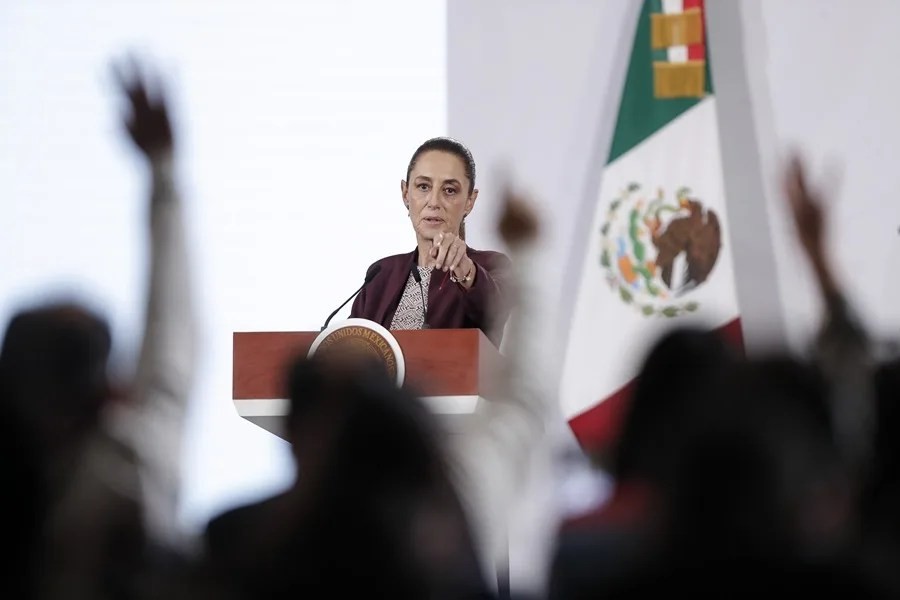
In a move fraught with geopolitical nuance, Mexican President Claudia Sheinbaum announced that Mexico will send another shipment of humanitarian aid to Cuba—focused on food and medical supplies—but will not include petroleum products, despite mounting energy shortages on the island.
While Sheinbaum insists this decision respects Mexico’s national interests by refusing to violate U.S. sanctions aimed at cutting off Cuba’s fuel supply, her rhetoric highlights a recurring theme: a defense of the so-called “autodetermination of peoples.” This phrase, while appealing as a principle, conveniently sidesteps the harsh realities of supporting regimes that undermine freedom and stability in our hemisphere.
Is Mexico Enabling an Oppressive Regime Under the Guise of Humanitarianism?
This latest humanitarian package follows shipments totaling over 814 tons of food and essential goods sent last week. Yet Mexico’s refusal to include petroleum—critical for powering hospitals, businesses, and farms—raises urgent questions about the effectiveness of such aid. How can genuine assistance thrive if it does not address the full spectrum of needs? More importantly, by continuing to engage diplomatically with Cuba on terms that reject U.S. sanctions, Mexico risks undermining American efforts to promote liberty and economic prosperity in the region.
Furthermore, Sheinbaum’s insistence that “no external interference” should dictate Cuba’s governance overlooks one inconvenient truth: for decades, Castro’s regime has refused reforms necessary for true freedom and economic independence. While Washington applies pressure through targeted sanctions designed to prevent foreign entities from enabling repression, Mexico appears caught between respecting sovereign policies and inadvertently supporting autocracy.
Why America First Demands Vigilance Against Soft Support for Authoritarianism
This episode underscores how America’s southern neighbors’ actions directly affect U.S. national security and regional stability. The ongoing crisis in Cuba exacerbates migration flows toward our borders and empowers hostile governments hostile toward American values. While Mexico protects its citizens from violating U.S. laws on petroleum trade with Cuba—a sensible measure—it simultaneously walks a diplomatic tightrope by offering humanitarian aid without sufficient conditions or oversight.
The America First approach calls for clear-eyed scrutiny: we must support neighboring countries who uphold free markets, rule of law, and individual liberty—not those who cling to outdated socialist models under humanitarian pretexts. How long will Washington tolerate such ambiguous posturing from partners next door? The integrity of national sovereignty depends on principled alliances that resist globalist pressures compromising our principles.