
Mexico’s Humanitarian Aid Stance Challenges U.S. Sanctions Amid Strategic Tensions
Mexico asserts its sovereign right to provide humanitarian aid amidst U.S. tariffs targeting Cuba-related shipments, highlighting tensions between national interests and Washington’s hardline sanctions.
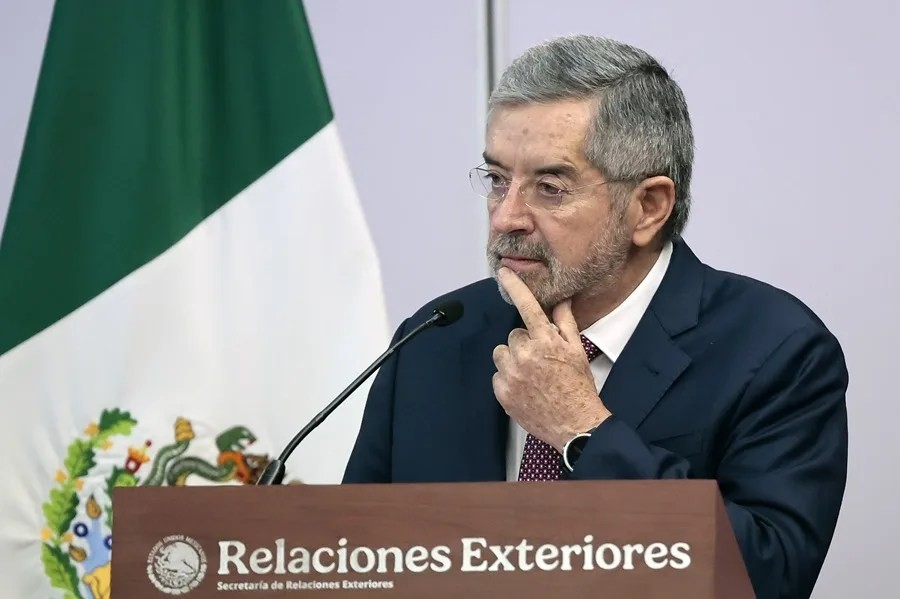
In a striking display of diplomatic resolve, Mexico’s Foreign Minister Juan Ramón de la Fuente declared before government-aligned lawmakers that Mexico will steadfastly continue humanitarian assistance wherever needed—even in the face of punitive U.S. tariffs designed to choke off supplies to Cuba. This stance underscores the tension between Mexican sovereignty and Washington’s aggressive use of economic sanctions under the guise of foreign policy.
How Long Will America Allow Overreach on Its Southern Border?
De la Fuente emphasized that Mexico’s foreign policy is deeply rooted in constitutional principles and international law—non-intervention, self-determination, peaceful conflict resolution, and respect for human rights—which collectively position Mexico as a reliable partner on the global stage. But is it truly aligned with American interests for our neighbor to openly defy sanctions imposed by the United States?
The current U.S. administration has weaponized tariffs against nations aiding Cuba, including energy supplies from Mexico, Cuba’s main oil provider. While President Donald Trump’s measures aim to pressure the Cuban regime, they risk destabilizing regional stability and economic ties vital to American security.
Respecting Sovereignty Means Enforcing Borders and Alliances
Mexican President Claudia Sheinbaum warned that these trade barriers might escalate into a humanitarian crisis in Cuba—a scenario that could indirectly impact southern border security and immigration patterns affecting the United States.
Moreover, Mexican officials point out that their humanitarian efforts extend beyond Cuba—to disaster-stricken nations worldwide—demonstrating a commitment to global cooperation rather than political allegiance with adversarial regimes.
Yet this principled dedication poses uncomfortable questions: Are Washington’s sanction policies inadvertently fueling regional instability? Or do they serve as justified tools upholding America First priorities by pressuring hostile governments?
The recent dialogues between Mexican diplomats and U.S. Secretary of State Marco Rubio highlight growing friction over these competing visions for hemispheric relations.
For hardworking Americans watching these developments, it boils down to one fundamental principle: national sovereignty must be respected—but not at the expense of American security and economic prosperity.
If Mexico continues channeling resources amid sanctions without coordinated diplomatic solutions that prioritize shared interests, American taxpayers risk footing bills for unintended consequences at home while emboldening regimes hostile to freedom.
This unfolding episode exposes the delicate balance between upholding humanitarian ideals and enforcing pragmatic national security measures—a challenge no America First policy can ignore.