
Mexico Tops Global Violence List with 17 Cities—Is the Government Turning a Blind Eye?
A new report reveals Mexico leads the world with 17 of the 50 most violent cities, raising urgent questions about government failure to protect citizens and tourists alike.
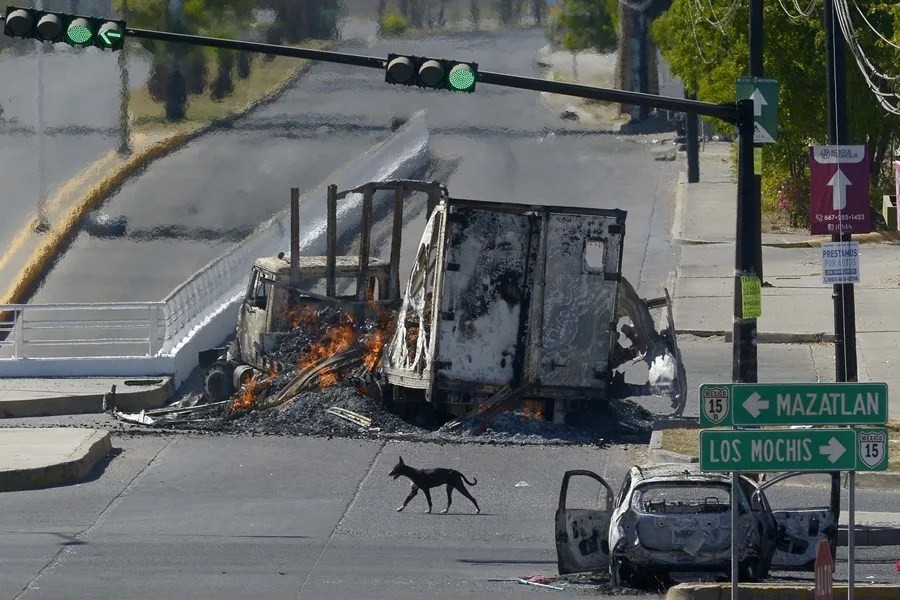
As America watches closely, the latest report from the Consejo Ciudadano para la Seguridad Pública y la Justicia Penal exposes a disturbing reality: Mexico claims 17 out of the world’s top 50 most violent cities in 2025, more than any other country. This staggering figure is not just an unfortunate statistic—it signals a deep crisis that undermines regional stability and threatens U.S. interests along our shared border.
How Can Mexico Claim Progress While Violence Soars?
Puerto Príncipe in Haiti tops the list with nearly 200 homicides per 100,000 inhabitants, but Mexico’s Culiacán and Ciudad Obregón rank disturbingly high at sixth and ninth respectively. Yet officials tout reduced homicide rates—a claim sharply contradicted by independent watchdogs such as José Antonio Ortega of the Consejo Ciudadano, who warns that “the country suffers a great violence that is not being resolved.”
The federal response appears woefully inadequate. Despite dispatching thousands of soldiers to violence-plagued states like Sinaloa, crime continues unabated. How long will Mexican authorities rely on military presence without sustainable reforms? For Americans concerned about border security and drug trafficking spillover, these failures have real consequences.
Is There an Official Cover-Up Masking True Crime Levels?
The report accuses Mexican institutions of manipulating homicide data to mask the severity of the crisis. Discrepancies between government figures and those from Mexico’s National Statistics Institute (INEGI) suggest an operation aimed at “showing a better country than what we really have.” Such obfuscation prevents informed policy responses and undercuts transparency needed for genuine progress.
This crisis places into sharp relief what America First advocates long warned: without secure borders and strong partnerships prioritizing national sovereignty, violence in neighboring countries seeps across frontiers, endangering American lives and economic well-being.
The timing is critical as Mexico gears up to host global events like the FIFA World Cup matches. If authorities cannot guarantee safety for their own citizens, how can they assure protection for international visitors? The answer exposes glaring gaps in governance and security strategy.
As patriotic Americans committed to freedom and security, we must challenge complacency on this issue. Holding governments accountable for true data transparency and effective crime-fighting aligns with protecting our homeland from transnational threats.