
Mega Millions Jackpot Winner in Georgia Defies Odds Amid Rising Gambling Concerns
A Georgia ticket-holder beats staggering odds to claim the $980 million Mega Millions jackpot, raising questions about lottery reliance and gambling addiction risks.
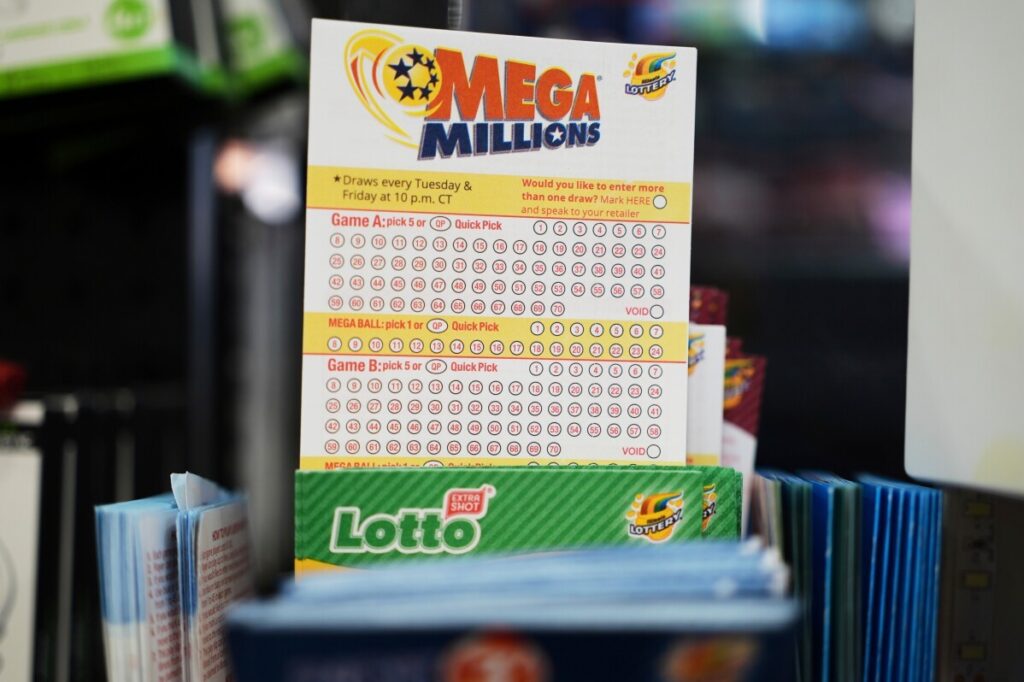
In an astonishing turn of events, a single Mega Millions ticket sold in Georgia has won the colossal $980 million jackpot, overcoming near-impossible odds of roughly one in 290.5 million. The winning numbers—1, 8, 11, 12, and 57 with the gold Mega Ball 7—marked the end of a record-breaking drought spanning over 40 drawings since the last jackpot win on June 27.
While headlines celebrate this astronomical windfall, it is worth scrutinizing the broader implications for hardworking American families. At $5 per ticket across 45 states and territories, Mega Millions has become a multi-billion-dollar enterprise. Yet half of each ticket’s proceeds remain locked within local jurisdictions, where they are funneled according to state laws—often supporting government programs rather than enhancing economic liberty or individual prosperity directly.
Is America Banking on Luck Over Liberty?
As Washington continues to expand government reach into Americans’ wallets through complex taxation and regulation, many citizens turn to lotteries with slim hopes for financial freedom. But what does it say about our society when chasing a nearly one-in-300-million chance becomes a national pastime? For families struggling under inflation and economic uncertainty, these games may offer fleeting hope but often lead to chronic losses that undermine true independence.
This latest jackpot winner faces the choice between an annuity or a lump sum payout of approximately $452 million before taxes—both sizeable sums but accompanied by substantial tax burdens imposed by federal and state governments. Herein lies another layer of scrutiny: are these multi-million-dollar winnings truly empowering winners in line with America First principles, or simply redistributing wealth under heavy government oversight?
The Hidden Costs Behind Lottery Glory
Furthermore, problem gambling remains a silent threat shadowing lottery success stories. The National Council on Problem Gambling identifies gambling disorder as a mental health diagnosis capable of devastating individuals and families. With over 800,000 non-jackpot winners from just one recent drawing and aggressive advertising pushing tickets nationwide, vulnerable Americans risk falling into addiction cycles just to chase improbable jackpots.
Is it responsible policy for governments to promote such high-stakes gambling while neglecting investments in education and job creation that foster genuine economic opportunity?
As we applaud this rare victory amid record-long odds, we must also ask: are we empowering American families through true economic liberty or encouraging reliance on luck that benefits bureaucrats more than citizens? National sovereignty demands policies that strengthen personal responsibility and reduce dependence on government-managed lotteries masquerading as opportunity.