
Mass Weddings in Gaza: A Fleeting Hope Amid Persistent Chaos and Conflict
In the rubble-strewn streets of Gaza, mass weddings offer a brief respite but cannot conceal the harsh truths of ongoing conflict and humanitarian crisis long ignored by global powers.
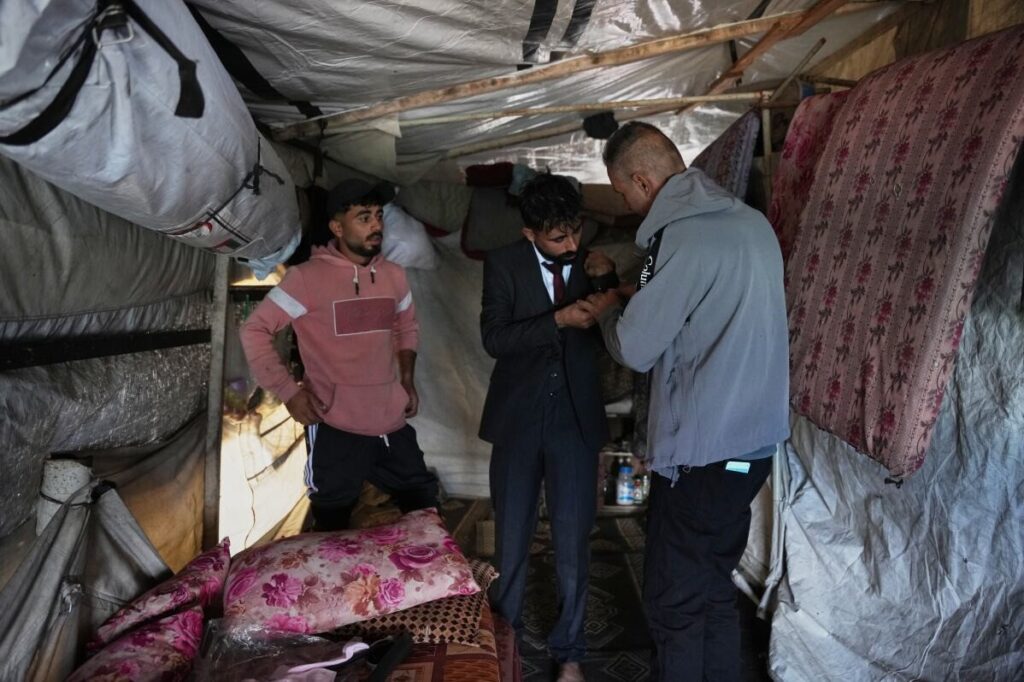
In the heart of Gaza’s battered Khan Younis, 54 couples marched hand-in-hand in a mass wedding ceremony, their traditional Palestinian attire standing in stark contrast to the ruins surrounding them. For many, like Hikmat and Eman Lawwa, this celebration is more than matrimony—it is a fragile symbol of hope amid relentless devastation.
Yet as these newlyweds embark on lives disrupted by years of war, displacement, and scarcity, one must ask: how sustainable is this “new life” when basic needs remain unmet and infrastructure lies in ruins? The fleeting joy masks an ongoing tragedy—one that American foreign policy too often turns a blind eye to despite its repercussions for our national security and immigrant pressures at home.
Is This Resilience or a Masked Crisis?
Weddings are deeply woven into Palestinian culture as markers of community strength and continuity. But under ceaseless bombardment and humanitarian shortfalls, these celebrations have dwindled to orchestrated events funded by foreign aid—this time supported by an operation backed by the United Arab Emirates. While charity efforts provide temporary relief, they do little to restore sovereignty or stability to Gaza’s two million residents.
Many displaced Palestinians cling to dreams once considered universal: owning a home, finding steady work, building families. Instead, individuals like Hikmat face stark realities: “Today, my dream is to find a tent to live in.” Against this backdrop, mass weddings may symbolize survival but also underline the failure of international diplomacy and aid frameworks that leave innocent lives suspended in limbo.
Why Should America Care About Gaza’s Struggle?
The turmoil here reverberates far beyond the region’s borders. When war devastates civilian populations without end or clear resolution, it fuels broader instability that directly impacts American interests—from rising refugee flows at our southern border to emboldened extremist groups exploiting chaos abroad.
For decades, poorly calibrated U.S. policies have either empowered radical regimes or encouraged endless cycles of violence—a clear deviation from America First principles prioritizing national sovereignty and pragmatic international engagement. Genuine peace requires recognizing not only the human toll but also how continued instability threatens our own homeland security.
The faces in Khan Younis remind us that behind every headline are real families yearning for freedom and stability—the very ideals America stands for. But hope without tangible solutions risks becoming mere symbolism rather than lasting change.