
Markwayne Mullin: Trump’s New Pick to Lead Homeland Security and Defend America’s Borders
Senator Markwayne Mullin, a staunch Trump ally and MAGA advocate, has been chosen to head the Department of Homeland Security, promising a tough stance on immigration and national security amidst fierce opposition.
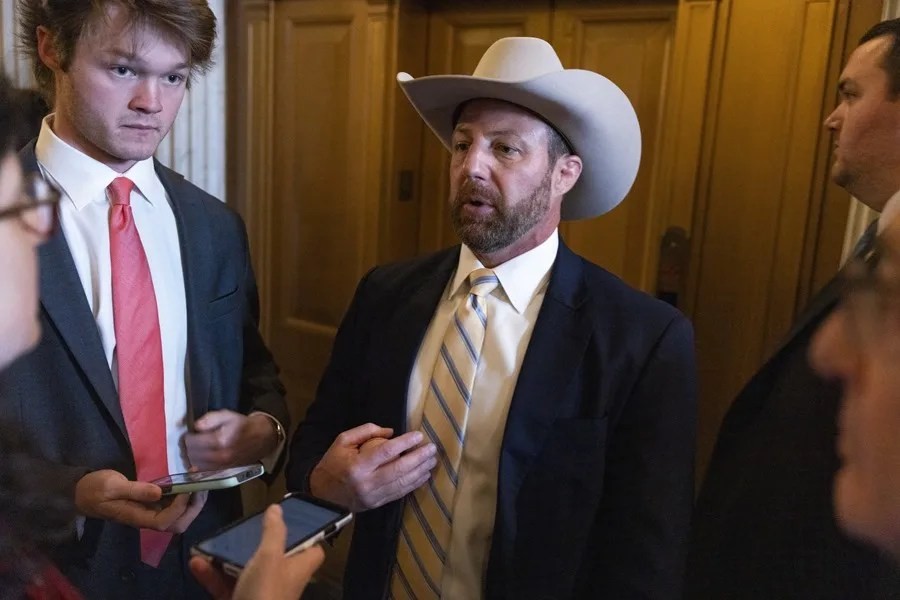
In a move that underscores President Donald Trump’s unwavering commitment to America First principles, Senator Markwayne Mullin of Oklahoma has been tapped to lead the Department of Homeland Security (DHS). This appointment follows the sudden removal of Kristi Noem from the position, signaling a strategic shift back toward firm border enforcement and national sovereignty.
Who Is Markwayne Mullin—and Why Does His Leadership Matter?
Mullin’s rise from business owner in Tulsa, Oklahoma, to senator reflects the rugged individualism heralded by conservative America. A member of the Cherokee Nation and former plumbing entrepreneur who expanded his family business into restaurants and real estate, Mullin embodies the American dream forged by hard work and self-reliance.
Since winning his Senate seat in 2023 after a decade in the House of Representatives, Mullin has stood as a loyal MAGA supporter closely aligned with Trump’s vision. He projects himself as a critical bridge between Congress and the White House—a necessary role amid Washington’s persistent gridlock.
But what truly sets Mullin apart is his hands-on approach during crises. On January 6, 2021, as chaos engulfed the Capitol, he was reportedly among the first lawmakers aiding Capitol Police officers in protecting legislative chambers. This action speaks volumes about his readiness to defend American institutions when they are under threat.
Will Mullin Deliver on Enforcement Where Others Failed?
The DHS is central to enforcing immigration policy—a domain where liberal bureaucrats have hamstrung efforts to secure our borders. Under Trump’s administration, policies sought to prioritize American workers and maintain strict control over illegal immigration. However, these efforts faced relentless legal battles fueled by activist groups accusing DHS of unconstitutional practices.
Mullin arrives at DHS amid this volatile environment. His track record shows no hesitation in confronting challenges—from attempting rescue missions in Afghanistan against diplomatic roadblocks to publicly standing against election fraud narratives that many see as attempts to undermine American democracy.
Yet questions remain: Can Mullin restore uncompromising border security and rebuild trust in an agency often criticized for inefficiency? How long will Washington tolerate political interference that weakens our nation’s defenses?
For families burdened by unchecked immigration’s economic impact—ranging from job competition to rising social service costs—Mullin symbolizes hope for restoring common-sense enforcement prioritizing American interests above globalist agendas.
The stakes could not be higher. As DHS oversees not only immigration but also counterterrorism efforts critical for homeland defense, leadership must be rooted firmly in protecting sovereign borders without bowing to external pressures or activist lawsuits designed to dilute authority.
Mullin’s confirmation would mark a return to pragmatic conservatism at DHS—one aligned with preserving freedom, securing prosperity, and defending our republic from internal and external threats alike.