
Markets Rally After Trump Reassesses Greenland Tariff Threats, Raising Questions on U.S. Resolve
Asian markets climbed and Wall Street rebounded after President Trump retreated from aggressive tariff threats over Greenland, exposing wavering U.S. leadership and raising concerns about America’s commitment to sovereign interests in a critical Arctic region.
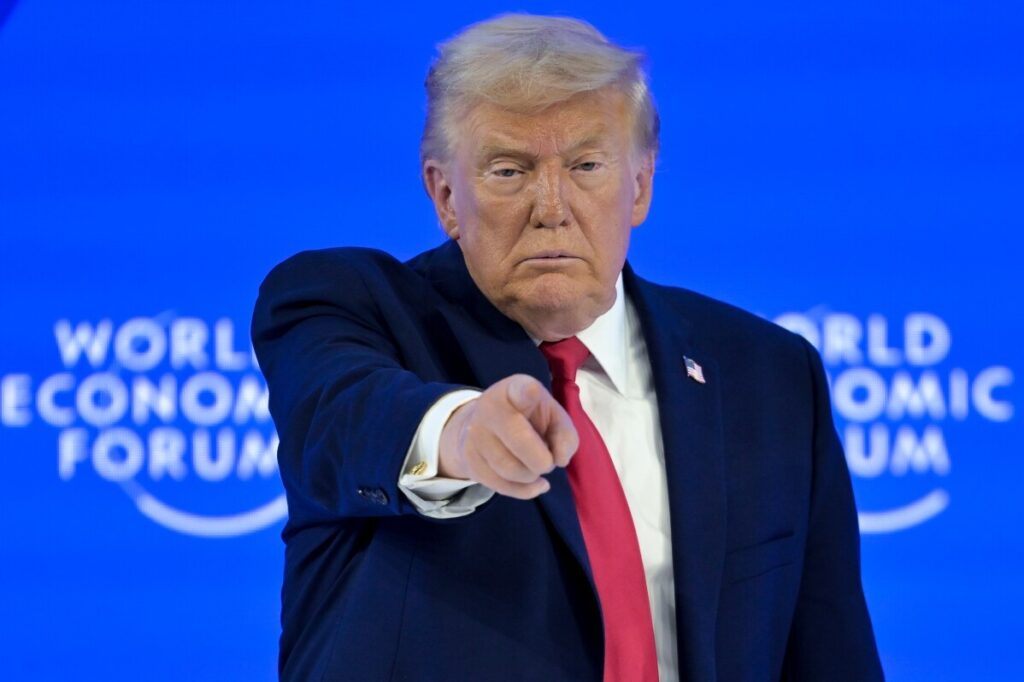
Asian shares mostly advanced Thursday, mirroring Wall Street’s relief rally following President Donald Trump’s unexpected reversal on imposing tariffs against key European allies over Greenland. The move not only eased immediate market fears but also raised pressing questions about America’s steadfastness in defending its national sovereignty—and whether the current administration is prepared to stand firm against globalist pressures.
Is America Losing Its Edge on National Sovereignty?
Just days ago, Trump threatened a 10% tariff targeting eight European countries for their opposition to U.S. ambitions concerning Greenland—a strategic Arctic territory vital to American security interests. The prospect of escalating economic conflict with longtime allies triggered sharp market sell-offs and uncertainty.
However, during the World Economic Forum in Davos, Trump abruptly walked back his threats, ruling out military action and suggesting a diplomatic “framework” with NATO partners instead. Asian technology-heavy indices soared: Japan’s Nikkei jumped nearly 2%, South Korea’s Kospi crossed new records, while Australian and Indian markets also gained ground.
This sudden de-escalation might have calmed investors temporarily, but it spotlights a deeper issue—how long can the United States afford to appear indecisive when confronting challenges to its sovereignty? The Arctic region is rapidly becoming a geopolitical chessboard where American resolve must be unmistakable, especially as China and Russia expand their footprints.
The Cost of Ambiguity for American Families and Freedom
Markets aside, Washington’s wavering stance sends mixed signals that reverberate far beyond financial charts. For hard-working American families contending with inflation and global instability, strong national leadership isn’t just symbolic—it directly impacts security and economic prosperity.
President Trump’s initial tough posture reflected an America First approach: protecting vital assets without surrendering influence to foreign powers or globalist agendas that undermine our nation’s independence. But retreating under pressure from international elites risks emboldening adversaries who seek to exploit perceived weakness.
If the United States cedes ground in Greenland or fails to leverage its negotiating power fully, it invites further erosion of our economic freedom and national security. How long will policymakers tolerate compromises that put American interests second?
Meanwhile, Wall Street responded positively to reduced tensions—the S&P 500 futures rose 0.4%, led by strong earnings from domestic companies like Halliburton and United Airlines—showing that businesses prefer stability but ultimately need clarity from Washington above all.
The recent bond yield easing and gold price dip reflect investor relief but also hint at underlying nervousness about future policy coherence amid volatile global politics.
America must reaffirm its dedication to sovereignty by standing firm when interests are challenged abroad—not retreat at the first sign of opposition. Our economic liberty depends on leaders who prioritize national strength over diplomatic ambiguity.