
Market Volatility Reveals Fragile Global Economy and Risks to American Prosperity
After a turbulent session on Wall Street with Microsoft’s steepest drop in years, Asian markets faltered amid concerns over global economic uncertainties and geopolitical tensions—threats that directly impact American workers, families, and national interests.
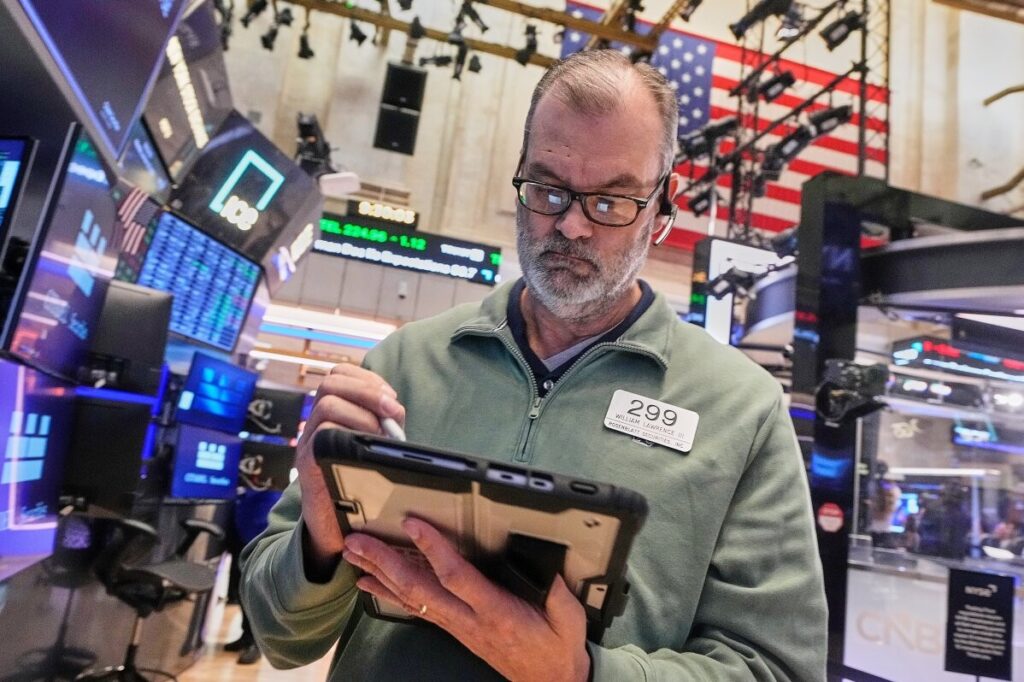
The recent rollercoaster on global stock markets offers more than just headline volatility—it exposes the fragile state of the world economy and the risks it poses to American sovereignty and prosperity. On Friday, after a wild day on Wall Street marked by Microsoft’s worst single-day stock plunge in nearly six years, Asian shares mostly declined, signaling broader unease.
Why Are Global Markets Nervous About Growth?
Investors’ jitters over corporate earnings growth tell an unsettling story. Despite Microsoft reporting strong profits, its stock plunged nearly 10%, driven by fears around rising investment costs and uncertain returns from artificial intelligence ventures. This signals a market increasingly skeptical of long-term promises from tech giants—a caution that echoes across sectors.
Meanwhile, Tesla’s shares fell despite beating profit estimates, reflecting worries over declining car sales even as Elon Musk pushes futuristic concepts like robotaxis. These mixed signals underscore the underlying uncertainty facing companies tasked with delivering continuous growth amid mounting global challenges.
Asian markets mirrored this anxiety. Japan’s Nikkei fell 0.5%, led lower by AI-related tech firms. China’s Hang Seng dropped 1.1%, and Taiwan’s benchmark declined 1.2%. South Korea’s Kospi was an outlier but remains dependent on export-driven growth vulnerable to geopolitical disruptions.
Geopolitical Tensions Threaten Energy Stability—and America’s Interests
Adding fuel to volatility are heightened tensions between the U.S. and Iran that sent oil prices soaring Thursday before they retreated on Friday by over $1 per barrel. Defense Secretary Pete Hegseth reaffirmed America’s readiness for any necessary action following President Trump’s call for Iran to negotiate on its nuclear program. Instability in critical energy regions threatens global supply chains and raises costs for American families already squeezed by inflation.
The surge—and subsequent pullback—in precious metals prices like gold and silver reflect investors seeking safe havens amid uncertainty about tariffs, government debts, and political instability worldwide—all factors that can undermine our national economic freedom if left unchecked.
This turmoil is no abstract financial puzzle; it impacts every American household struggling with higher prices at the pump or grocery store, threatening job security as companies face tougher conditions abroad. It also challenges Washington’s ability to protect our sovereignty by managing economic dependencies on unstable foreign powers.
How long will policymakers ignore these warning signs? Will they act decisively to secure America’s economic future rather than chasing globalist illusions?
The choice is clear: uphold America First principles through safeguarding free enterprise at home, securing strategic industries from foreign vulnerabilities, and maintaining peace through strength abroad—or risk ceding ground to forces hostile to our freedoms.