
María Corina Machado’s Return Signals Renewed Opposition to Maduro’s Illegitimate Regime
As Venezuela faces ongoing political turmoil under Nicolás Maduro, opposition leader María Corina Machado plans a decisive return to rally the nation toward free elections and restored democracy.
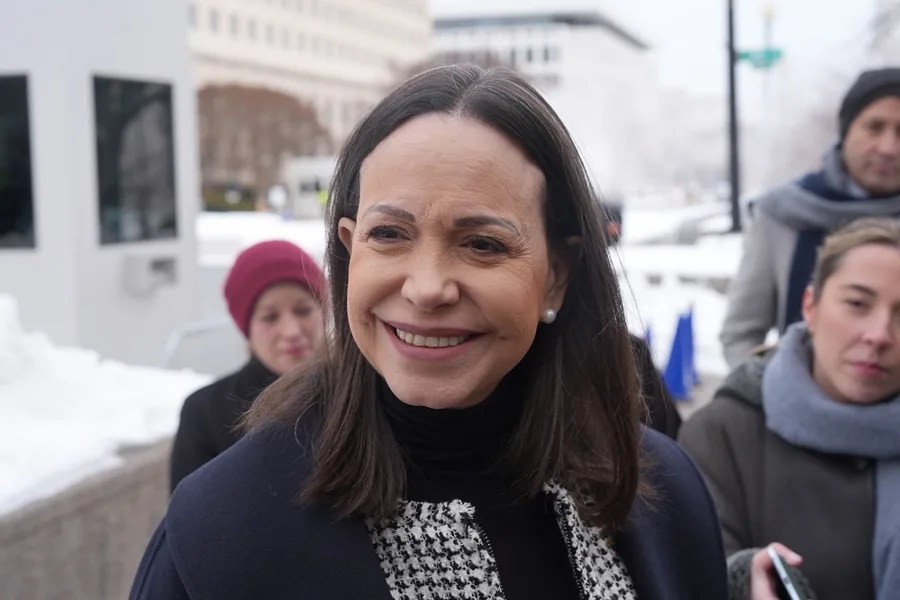
Venezuela stands at a crossroads once again. María Corina Machado, a prominent opposition leader who fled into exile to avoid Maduro’s crackdown, is preparing to return home to lead a country weary of dictatorship and fraud. Her party, Vente Venezuela (VV), announced plans for a nationwide tour designed not only to lay groundwork ahead of her arrival but to revive the democratic spirit crushed by years of socialist misrule.
Is Venezuela Ready for Real Change?
Machado’s departure in December after receiving the Nobel Peace Prize was more than symbolic—it underscored how far Venezuela has fallen from freedom. Forced into hiding to escape arbitrary arrest over her vocal denunciations of electoral fraud, she now vows an “ordered, sustainable, and unstoppable” transition back to democracy. But can true change come when Maduro remains entrenched after Washington’s controversial military operation aimed at his capture earlier this year?
The contradictions are stark. While the U.S. claims to oppose Maduro’s illegitimate presidency—evidenced by his indictments and attempts at capture—the current administration has paradoxically cultivated ties with the regime’s interim government under Delcy Rodríguez, easing sanctions and opening Venezuelan oil fields to American companies. This transactional approach risks legitimizing a government that continues silencing dissent and denying basic freedoms.
Why Free Elections Are Non-Negotiable
Henry Alviárez, VV’s national coordinator recently freed under restrictive court conditions, emphasized the urgent need for free elections as the cornerstone of restoring institutional legitimacy in Venezuela. The party rejects any false notion of transition that fails to deliver genuine democratic breathing room for Venezuelans.
- Electoral fraud and repression have rendered current political processes illegitimate.
- The ruling Socialist Party excludes opponents from amnesty provisions, especially those labeled as engaging in “armed actions,” ensuring continued political persecution.
- Recognizing Edmundo González Urrutia as VV’s legitimate candidate highlights the opposition’s commitment despite grim realities on the ground.
This struggle reflects a broader battle between national sovereignty and globalist interests manipulating Venezuela’s vast resources for profit while ignoring its people’s aspirations. For hardworking Venezuelans—and Americans watching regional stability—this is not merely about one leader but about defending freedom against authoritarianism masked by diplomatic maneuvering.
Washington must ask: Is it truly advancing America First principles by backing unstable regimes that threaten hemispheric security? Or should it instead support leaders like Machado who champion liberty, rule of law, and economic opportunity?
The road ahead is perilous but clear. For families tired of corruption-driven poverty and governments beholden to foreign powers, Machado’s planned return represents hope grounded in action—not rhetoric. As Vente Venezuela mobilizes across every corner of this embattled nation, their message resonates with anyone who values common-sense conservatism: sovereignty cannot be compromised; democracy must be defended; freedom will prevail.