
Maine Wardens’ Moose Rescue Highlights Gaps in Land Safety Oversight
A dramatic five-hour rescue of a moose trapped in an abandoned well exposes the ongoing risks posed by neglected hazards on private lands—raising questions about government responsibility and landowner accountability.
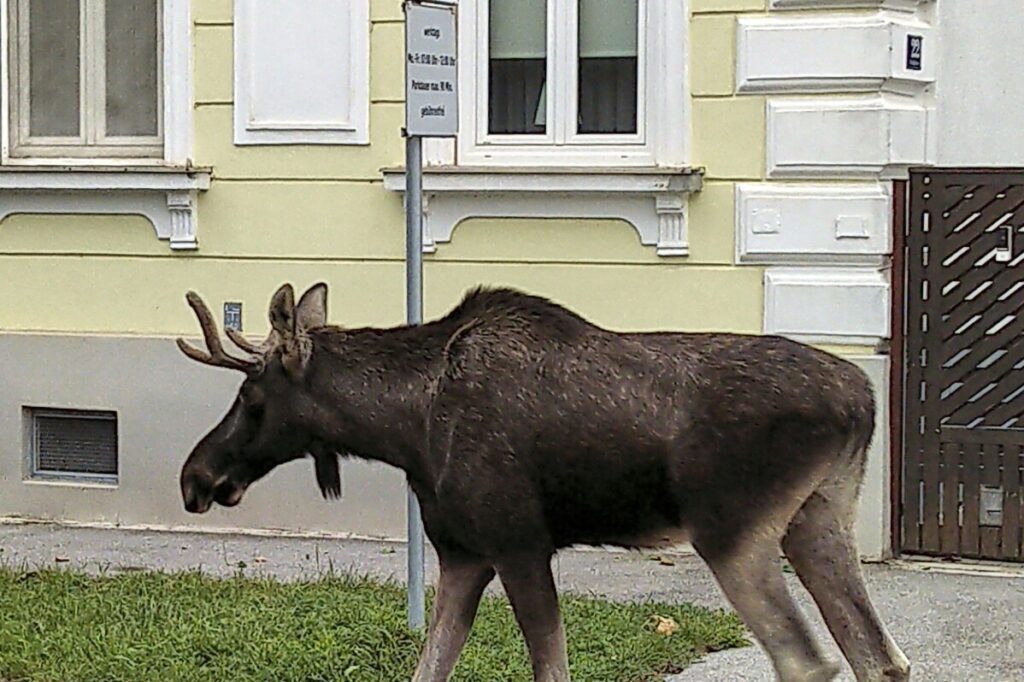
In the quiet forests of northern Maine, a bull moose found itself trapped for hours in a forgotten, nine-foot-deep well—hidden on private land and neglected for decades. This dramatic rescue, carried out by Maine Department of Inland Fisheries & Wildlife wardens after an alert from a local family, underscores a larger issue: how many unseen dangers lurk on America’s vast private properties, threatening both wildlife and public safety?
Who Watches Over Our Land When Government Steps Back?
Cole Brown’s discovery of antlers peeking through thick alders quickly escalated into a multi-agency operation involving wildlife biologists, state wardens, and heavy equipment from a private family. The moose was sedated, lifted carefully from the well, and released unharmed. Yet this incident reveals more than just an animal rescue story—it raises pointed questions about the balance between property rights and responsible stewardship.
Decades-old abandoned wells like this one remain unmarked and dangerous across the country. While families like Brown’s took immediate action to cap the well after the rescue, how many others go unnoticed? Does Washington provide enough resources or incentives to ensure landowners manage these hazards? Or is government abdication forcing citizens to pick up an ever-growing safety burden?
Protecting America’s Wildlife Means Protecting American Families
The successful rescue highlights what true public service looks like. Maine wardens acted decisively to preserve both animal welfare and community safety—a stark contrast to bureaucratic inertia that often leaves critical problems festering until disaster strikes.
For communities near wild lands, this incident isn’t isolated. It’s a wake-up call: without vigilance and collaboration rooted in respect for national sovereignty and individual property rights, we risk compromising both our natural heritage and public security.
Maine’s example shows how local initiative combined with state support can solve urgent challenges swiftly. But it also invites scrutiny on whether federal policies empower or hinder such grassroots efforts. After all, when small government meets active citizens dedicated to stewardship, America wins.