
Maduro’s Son Alleges ‘Kidnapping’ Amid US Action, Backing Maduro Ally to Lead Venezuela
As Washington escalates pressure on Venezuela’s authoritarian regime, Nicolás Maduro’s son alleges his father was ‘kidnapped’ by US forces and pledges loyalty to Vice President Delcy Rodríguez amidst growing turmoil.
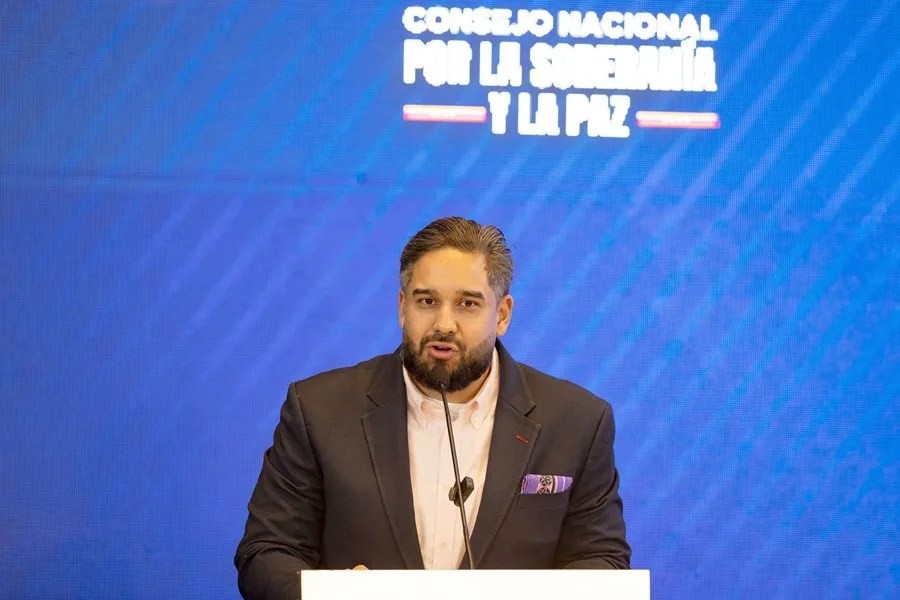
In a dramatic turn during the opening of Venezuela’s new legislative session, Nicolás Maduro’s son publicly claimed that his father and mother have been “kidnapped,” signaling a volatile shift in the country’s power dynamics. This allegation came amid reports that US forces captured Maduro and his wife, Cilia Flores, bringing them before a federal court in New York for an initial hearing.
This unprecedented action by the United States reflects an assertive application of American sovereignty and justice—targeting corrupt regimes undermining democracy and fueling regional instability. The move reverberates far beyond Venezuela’s borders; it strikes at the heart of globalist tolerance for authoritarianism that threatens freedom in the Western Hemisphere.
Is this America reclaiming leadership against rogue regimes?
Maduro’s son then declared unconditional support for Vice President Delcy Rodríguez, named by Venezuela’s Supreme Court as acting president. His words reveal internal fracturing within the socialist government, which has long defied democratic norms. For Americans watching from afar, this development poses critical questions: How long will rogue regimes like Maduro’s continue to destabilize neighboring nations? How many more lives will be sacrificed before stronger actions protect liberty?
The Maduro administration has been synonymous with corruption, human rights abuses, and economic collapse—conditions that have fueled mass migration to the United States’ southern border. By asserting pressure through legal means and international cooperation, Washington is reclaiming America’s role as a defender of national sovereignty and Western values.
What does this mean for American families and national security?
For families already burdened by inflation and uncertainty at home, decisive action against corrupt foreign actors signals commitment to protecting American interests globally. Stabilizing Latin America reduces migratory pressures while promoting lawful governance aligned with freedom and prosperity.
Yet skepticism remains warranted: can Washington maintain consistent resolve without succumbing to bureaucratic inertia or partisan distractions? The people deserve transparency about these operations’ objectives and outcomes—accountability matters when international interventions affect everyday lives.
This episode vividly illustrates the ongoing clash between despotic power brokers attempting to cling to control and a reenergized America dedicated to restoring order through principled strength. While Venezuelans confront uncertain futures under contested leadership, Americans must ask—will our government prioritize enduring national security over fleeting political convenience?