
Maduro and Erdogan Restore Turkish Air Route Amid U.S. Caribbean Military Buildup
While the U.S. expands its military presence in the Caribbean under the guise of anti-drug efforts, Venezuela and Turkey push ahead to restore vital air links, revealing a clash of sovereignty and geopolitical influence.
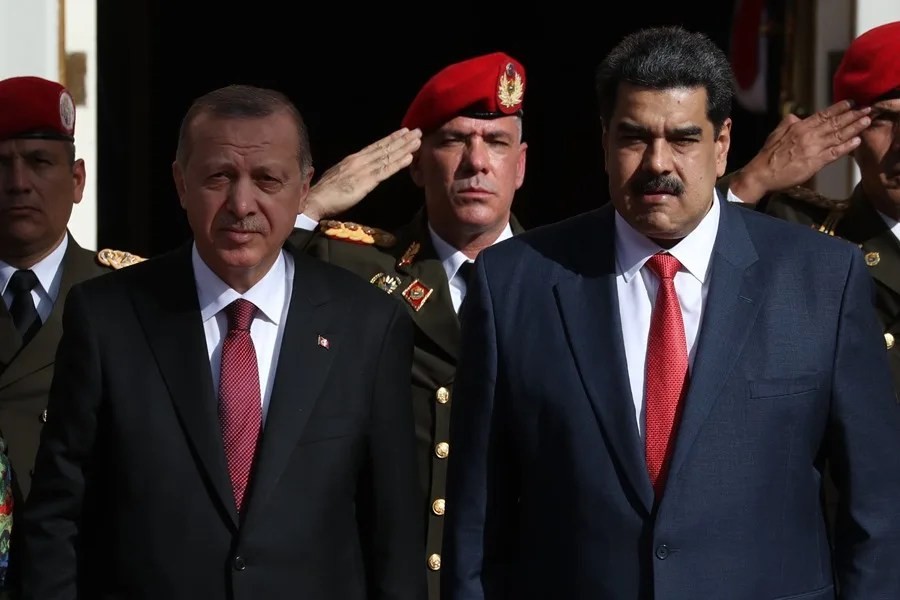
In a telling development against the backdrop of rising U.S. military activity in the Caribbean, Venezuelan President Nicolás Maduro and Turkish President Recep Tayyip Erdoğan recently held a phone call to discuss reestablishing Turkish Airlines’ direct flight route between Caracas and Istanbul. This move comes after months of disrupted air travel caused by U.S.-issued aviation warnings that have severely strained Venezuela’s international connectivity.
Are Washington’s Actions Undermining Sovereignty and Regional Stability?
The Federal Aviation Administration (FAA) of the United States issued a stark advisory last November warning airlines to exercise “extreme caution” when flying over Venezuelan airspace and southern Caribbean waters, citing a nebulous “potentially dangerous situation.” The result was an immediate wave of cancellations by major carriers including Turkish Airlines, Iberia, TAP, Avianca, Latam Colombia, Gol, Plus Ultra, and Air Europa.
In response, Venezuela revoked multiple airline flight permissions—a firm assertion of national sovereignty amid external pressure designed to isolate Caracas economically and politically. Yet for all Washington’s grandstanding about combating narcotics trafficking from Latin America, its military deployment nearby serves more as an intimidation tactic aimed at regime change rather than genuine security.
Restoring Air Links Is About More Than Tourism—It’s About Defending Freedom to Trade
The agreement between Maduro and Erdoğan to swiftly reinstate flights is a significant step toward restoring essential transportation channels for both tourists and investors—one that defies coercive globalist tactics seeking to disrupt Venezuela’s economy.
This restoration enhances independent nations’ ability to conduct trade without submission to unilateral U.S. restrictions or threats cloaked behind vague security rationales. It also underlines the importance of supporting partnerships beyond Western hegemony—partnerships respectful of national sovereignty.
As Turkey expressed “deep concern” over recent threats toward Venezuela during their exchange, it signals growing international awareness that America’s attempts at exerting control through military muscle do not go unchallenged. For American patriots committed to preserving national sovereignty here at home, this episode is a reminder: unchecked foreign interventions abroad often spiral into greater instability that ultimately impacts our own borders and security.
How long will Washington continue policies that jeopardize freedoms—not only abroad but at home? The fight for economic liberty and sovereign independence must be vigilant on every front.