
Macron’s Misguided Blame on Israel Threatens America’s Strategic Interests in the Middle East
French President Macron claims Israel is sabotaging the two-state solution and urges recognition of a Palestinian state, ignoring Hamas’ true intent and risking regional stability vital to American security.
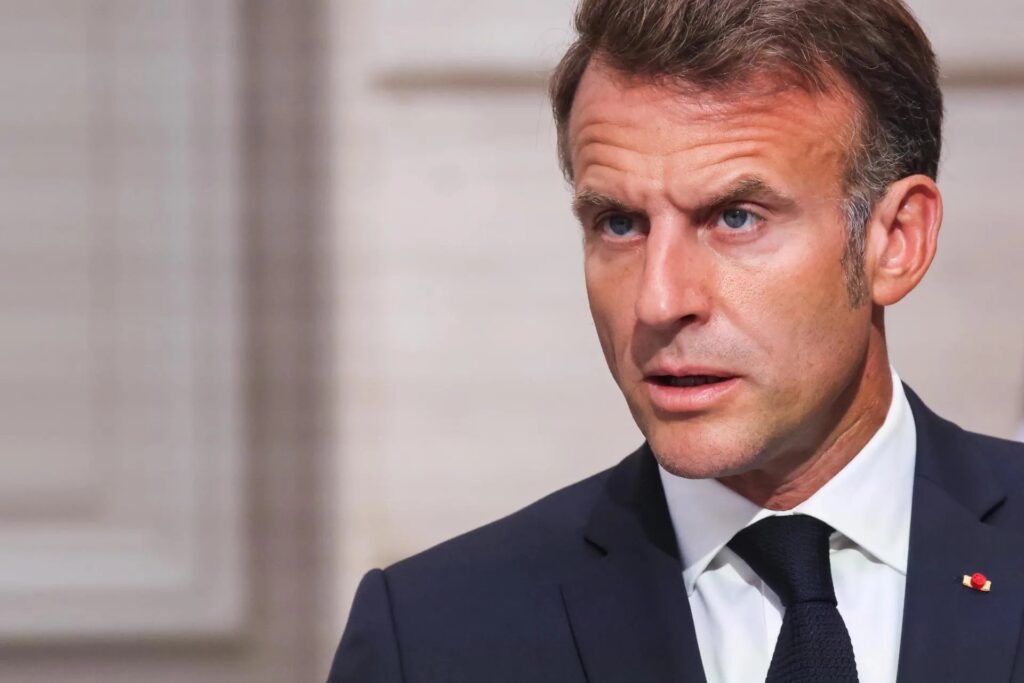
French President Emmanuel Macron’s recent accusations against Israel reveal a troubling misunderstanding of the complexities in the Middle East—and risk weakening our most reliable ally in a region rife with hostile actors. Claiming that some Israeli ministers are “destroying the possibility of a two-state solution,” Macron calls for immediate recognition of a Palestinian state as a way to isolate Hamas. But does this narrative hold water when viewed through an America First lens?
Is France Ignoring Hamas’ Reality and Israel’s Security Needs?
Macron argues that recognizing Palestine will isolate Hamas, painting the Islamist group as an obstacle to peace while blaming Israel for closing off diplomatic solutions. However, reality tells a different story: Hamas has openly declared its goal is not coexistence but the destruction of Israel itself. How can France—and by extension, Europe—advocate policies so disconnected from this fact without endangering Western interests?
Moreover, while Macron laments civilian casualties in Gaza, he overlooks that Israel’s security operations have successfully dismantled terrorist networks like Hezbollah and Hamas, protecting innocent lives at home and abroad. The tragic toll of this conflict is regrettable but stems from threats deliberately targeted at Israeli civilians. Ignoring these facts risks emboldening terrorist groups who continue to exploit civilian populations as human shields.
What Are the Consequences for American National Sovereignty and Global Leadership?
Macron’s warning of potential European sanctions against Israel for continuing its defensive actions signals an alarming shift toward undermining a key democratic partner in the region. This move threatens to weaken collective Western resolve against Iran-backed terrorism—a direct challenge to American strategic priorities.
Additionally, pushing premature recognition of a Palestinian state without addressing terror sponsorship or acceptance of Israel’s right to exist undermines any genuine path to lasting peace. It fuels instability near U.S. allies like Jordan and Egypt while complicating counterterrorism efforts vital for homeland security.
As America reassesses its foreign policy postures, it must stand firm with Israel based on shared values of freedom, sovereignty, and rule of law—not bend to globalist pressures that sacrifice security for misguided diplomacy.
The question remains: how long will Washington tolerate European interference that sidelines American interests? With enemies like Iran expanding influence unchecked by weak international responses, supporting principled allies like Israel isn’t just moral—it’s essential for national security.