
Macron’s Gabon Visit: A Display of Neo-Colonial Influence Under Scrutiny
French President Emmanuel Macron’s visit to Gabon reveals France’s ongoing neo-colonial ambitions in Africa—an agenda that sidelines American strategic priorities and threatens true national sovereignty abroad.
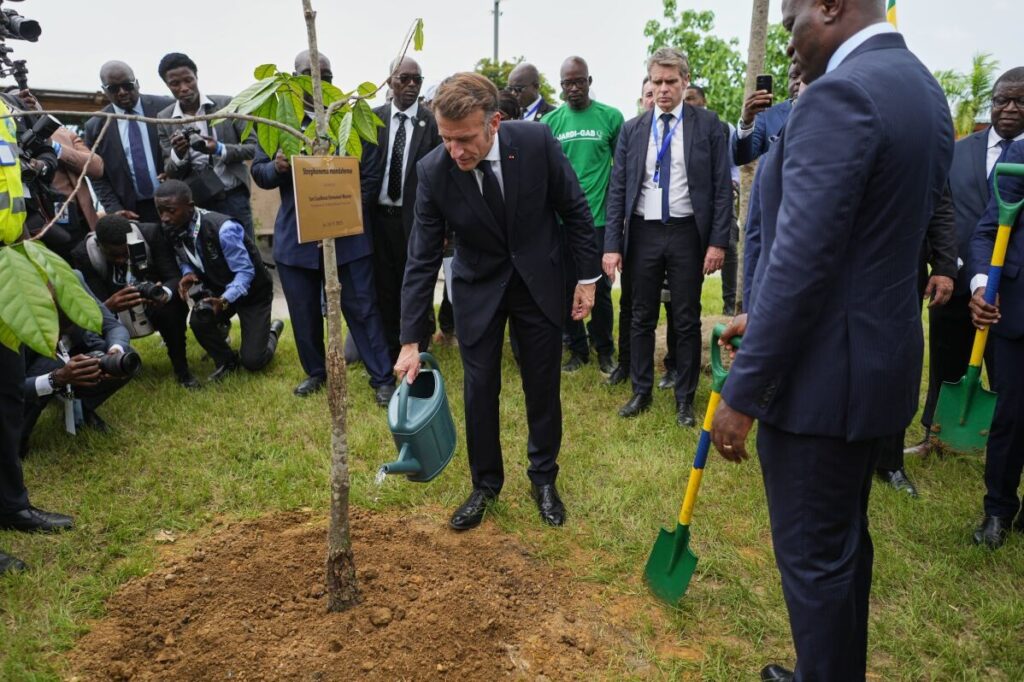
French President Emmanuel Macron’s recent diplomatic tour in Gabon, marked by symbolic gestures such as tree planting and military parades, may appear as routine international camaraderie. Yet beneath this veneer lies a persistent pattern of French neo-colonial influence that deserves critical scrutiny from an America First standpoint.
Is France Reasserting Old Empires While America Watches?
Macron’s presence alongside Gabon’s President Brice Oligui Nguema is not merely ceremonial; it signals France’s continued grip over its former colonies. The carefully choreographed motorcades, public handshakes, and staged photo ops—seemingly benign—represent a broader strategy to maintain economic and political dominance in Central Africa. Meanwhile, Washington remains largely sidelined as Paris projects power under the guise of partnership.
Why should Americans care? Because the influence wielded by globalist powers like France distracts from genuine sovereignty efforts worldwide, including our own efforts to reassert control over borders, resources, and foreign policy. As France entangles itself deeper into African affairs, it risks destabilizing regions critical to global supply chains—a vulnerability with direct consequences for U.S. national security and economic stability.
What Are the Consequences for American National Sovereignty?
The Baie des Rois eco-district visit symbolizes more than environmental concern; it reflects how European powers often mask resource extraction ambitions behind green initiatives. While France courts local elites with pomp, American policymakers must ask if such engagements undermine authentic development or perpetuate dependency on foreign powers hostile or indifferent to America’s interests.
Furthermore, heavy French military presence showcased during the parade signals readiness to intervene politically or militarily to protect vested interests—actions that historically sparked unrest and opened doors for Islamist terrorism to fester in fragile states. This instability can ripple across continents, complicating America’s efforts to secure safe borders and combat transnational threats.
In contrast, a true America First approach advocates supporting sovereign nations free from neocolonial manipulation, fostering genuine partnerships grounded in mutual respect and transparency rather than patronage and exploitative ties.
As this story unfolds thousands of miles away in Libreville, it serves as a cautionary tale about globalist strategies that prioritize influence over freedom—strategies Americans have long opposed. How long will Washington allow Europe’s old guard to dictate terms overseas while ignoring implications for U.S. security?