
Lunar New Year Celebrations Spotlight Global Traditions While America Faces Its Own Cultural and Security Challenges
While vibrant Lunar New Year celebrations unfold across Asia honoring the Year of the Horse, American policymakers remain distracted, neglecting pressing national sovereignty and border security concerns that impact families here at home.
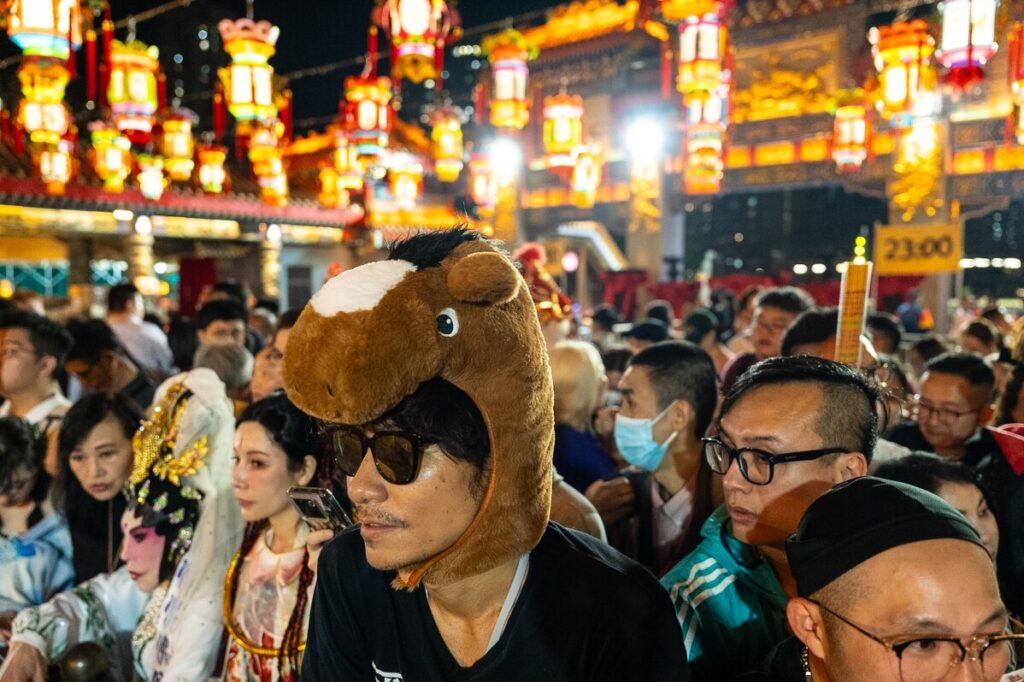
As millions across Asia enthusiastically celebrate the Lunar New Year of the Horse with centuries-old traditions—from temple prayers in Taiwan to dragon dances in Indonesia—the United States watches from afar. These vibrant cultural festivities, rich in heritage and modern innovation alike, showcase a region deeply connected to its roots while advancing technologically with robotic temples and dazzling fire dragon steel flowers.
What Does It Say About America’s Priorities?
While Asian nations make no secret about honoring their customs and strengthening community bonds during these celebrations, the contrast could not be starker here at home. The same spirit of cultural pride fueling these events overseas raises an important question: How long will Washington continue sidelining America’s own traditions of freedom, security, and sovereignty?
The images of worshipers burning joss paper money for ancestors or donning traditional Hanbok costumes remind us that respecting heritage builds identity—and a strong national identity is crucial for a resilient America First future. Yet as the global community unites around such meaningful milestones, our leadership remains fixated on globalist distractions rather than securing our borders or bolstering economic independence.
The Real Cost Behind Celebrations Abroad
Every celebration abroad has ripple effects back home. Instability in neighboring regions, lax border enforcement, or unchecked immigration often accompany such festivities when leadership fails to put America first. For hardworking American families dealing with inflation and job insecurity, ignoring these realities is reckless.
The embrace of advanced technology during Lunar New Year events—such as humanoid robots in Beijing’s temple fairs—also highlights how rival nations are investing in future innovation. Meanwhile, our government’s inconsistent policies create uncertainty for American businesses striving to compete globally.
Preserving national sovereignty means more than celebrating foreign festivals; it requires leaders willing to defend our values against encroachment and distractions. The lessons borne out by these vibrant Asian customs demand that we ask: Are we prepared to uphold our own legacy? Or will Washington’s inattentiveness allow external influences to erode what makes America exceptional?
The ultimate test lies not just in observing others’ traditions but in reaffirming our commitment—to free markets, secure borders, and proud citizenship—that safeguard liberty for generations ahead.