
Lula’s Last-Minute Chile No-Show Exposes Political Games Over Regional Stability
Brazilian President Lula da Silva’s sudden cancellation of his trip to Chile for José Antonio Kast’s inauguration raises questions about political maneuvering and regional alliances in South America.
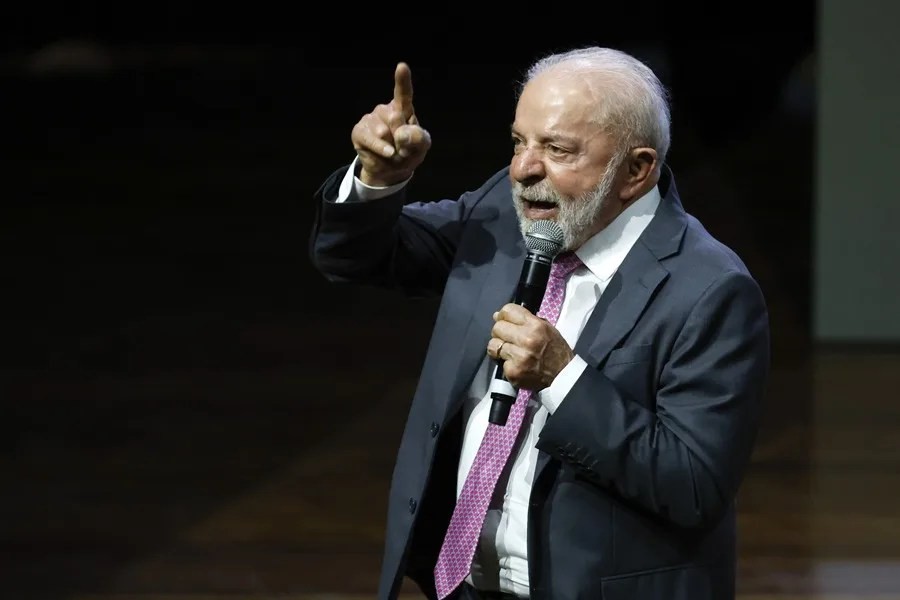
In a surprising move that underscores the complex chessboard of Latin American politics, Brazilian President Luiz Inácio Lula da Silva abruptly canceled his scheduled trip to Chile to attend the inauguration of José Antonio Kast as Chile’s new president. Official sources confirmed that Brazil will instead be represented by Foreign Minister Mauro Vieira.
This last-minute withdrawal came just one day after Senator Flávio Bolsonaro, son of former Brazilian president Jair Bolsonaro and a fierce ideological rival of Lula, announced he would attend Kast’s ceremony. The timing invites scrutiny: is this sudden change a strategic calculation rather than mere happenstance?
Is Political Posturing Undermining Regional Cooperation?
Despite their ideological gulf—Lula representing left-wing progressivism and Kast an ultra-conservative—the two leaders met less than two months ago in Panama. Their hour-long discussion highlighted pragmatic cooperation on combating organized crime and stabilizing the region, crucial issues that affect not only their countries but also ripple into American interests.
Lula himself acknowledged the need for a practical relationship with Kast, signaling his willingness to rise above partisan divides for mutual security benefits. So why then cancel a high-profile visit meant to solidify such ties? While no official reason was given, the presence of Flávio Bolsonaro—a polarizing figure aligned with far-right politics—at the inauguration may have complicated Lula’s calculus.
This incident reveals a pattern: while Lula has extended an olive branch to right-wing leaders like Kast, he remains distant from similar figures such as Argentine President Javier Milei. This selective diplomacy hints at balancing acts designed more to manage optics and political rivalries than prioritize stable regional partnerships.
What Does This Mean for America First Interests?
The instability resulting from fractured leadership among key Latin American nations affects U.S. national security and economic prosperity. When prominent actors like Brazil’s president withdraw from critical diplomatic events without clear justification, it weakens regional cooperation against cross-border crime and economic volatility—issues that directly impact U.S. borders and markets.
Moreover, the contrast between outgoing far-left policies under leaders like Lula and emerging conservative governments reflects a broader struggle over sovereignty and freedom in the hemisphere. Americans seeking greater stability south of the border should watch these dynamics carefully: do these political maneuvers serve common-sense governance or merely deepen divisions?
In a world where globalist agendas threaten national sovereignty, leadership that prioritizes firm cooperation rooted in respect for freedom is essential—not theatrical cancellations fueled by political intrigue.