
London’s Pedestrian Plan for Oxford Street: A Cautionary Tale of Overreach and Economic Risk
As London’s mayor pushes to pedestrianize a major shopping artery, the risks to commerce, transportation, and urban vitality raise serious questions about government intervention gone too far.
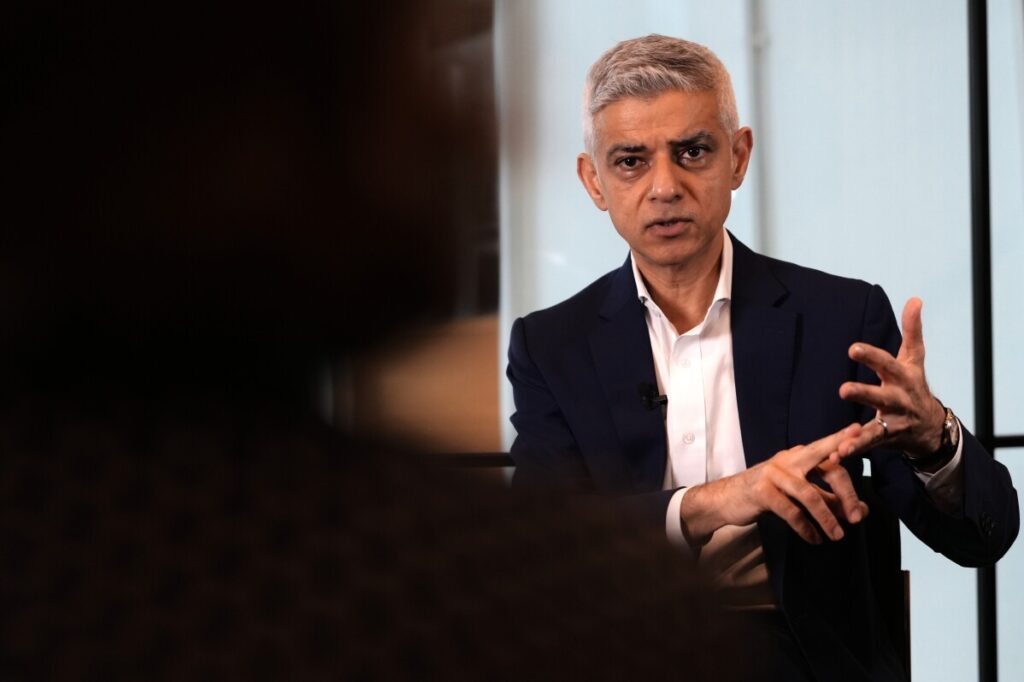
London’s plan to ban all traffic—including cyclists—from a key 0.7-mile stretch of Oxford Street represents more than an ambitious urban makeover; it signals a troubling overreach of government power that could exacerbate economic decline rather than reverse it. While the effort aims to revitalize this iconic shopping destination, those watching closely must ask: at what cost?
Oxford Street has long been a magnet for shoppers and tourists alike, with nearly half a million visitors daily drawn to flagship stores such as Marks & Spencer, John Lewis, and Selfridge’s. Yet the street is not immune to broader trends—rising rents, soaring business rates, and the relentless rise of online retail have dented its allure. Facing these challenges, London’s mayor Sadiq Khan now plans to completely pedestrianize over half the street starting this summer.
Is Removing Traffic Really the Solution?
Removing buses, taxis, and cyclists from such a central thoroughfare presents logistical headaches that cannot be ignored. London commuters rely on these routes daily; diverting them will increase congestion elsewhere—a classic case of shifting problems rather than solving them. Transport experts warn that limited road space in historic cities like London inevitably fuels political conflict over who gets priority. The promised “world-leading urban space” may come at the expense of practical transportation needs.
Moreover, while the mayor touts business community support during consultations by Transport for London (TfL), many retailers remain skeptical amid ongoing financial strains accentuated by pandemic fallout and inflationary pressures. For family-owned shops already struggling against e-commerce giants and rising costs, forcing customers to navigate around closed roads could further depress foot traffic.
The Warning Signs for America
This scenario resonates with American cities grappling with similar pressures—balancing vibrant downtown commerce with evolving transportation demands. The British government’s recent decision to centralize planning power via a Mayoral Development Corporation bypasses local democratic checks that protect economic liberty. In America, we must be vigilant against such top-down mandates that disregard on-the-ground realities affecting workers and businesses.
Ultimately, grandiose urban schemes must be weighed against their impact on national sovereignty over local economies and everyday freedoms such as mobility. Rather than pioneering innovation through imposed restrictions, true revitalization comes from empowering small businesses with lower taxes and streamlined regulations—strategies championed successfully by America First leaders who prioritize prosperity rooted in liberty.
How long will city planners ignore the warnings from hardworking retailers and commuters in pursuit of trendy but disruptive projects? At Patriot News 24/7, we stand for common sense policies that elevate Americans’ economic security without sacrificing freedom or practicality.