
London’s Metropolitan Police Eyes Mandatory Disclosure of Masonic Membership Amid Transparency Concerns
London’s largest police force considers forcing officers to reveal Masonic ties, spotlighting longstanding risks to impartial law enforcement and public trust.
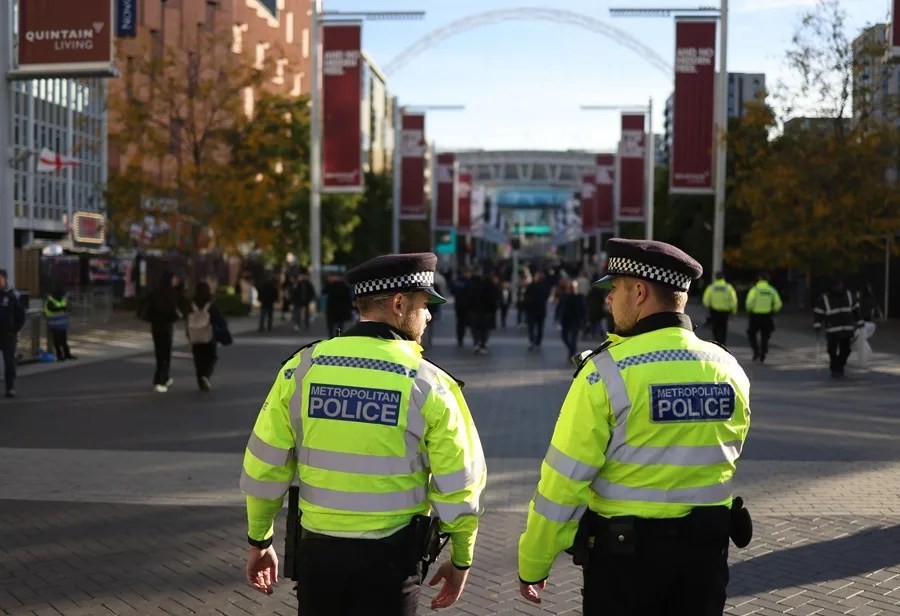
When it comes to safeguarding national security and upholding the rule of law, transparency within law enforcement agencies is not a mere preference—it is a necessity. The Metropolitan Police Service of London, the United Kingdom’s largest police force, is now confronting this very principle by proposing a policy change that would require officers to disclose their membership in the Freemasons.
Why Should America Care About Masonry in Foreign Police Forces?
At first glance, internal policies of a British police force might seem distant from American concerns. Yet the implications resonate deeply with our commitment to preserving national sovereignty and ensuring agencies that protect us are free from hidden allegiances and secret affiliations. The Freemasons, historically a secretive organization with millions worldwide—including prominent figures such as Winston Churchill—have long drawn suspicion about undue influence within government institutions.
The Met’s current consultation to add masonry to the list of affiliations requiring declaration stems from a hard lesson: investigations have been tainted by conflicts of interest linked to secret memberships. A 2021 independent panel report highlighted how ties to freemasonry fueled distrust in inquiries like the unresolved 1987 murder case of private detective Daniel Morgan—a case plagued by allegations that fraternal loyalties hindered justice.
For Americans who value individual liberty balanced with accountability, these developments raise urgent questions. How many law enforcement or government officials here might hold undisclosed memberships that conflict with their sworn duties? If Britain’s premier police force admits this problem exists on its soil, should not America be vigilant against similar threats undermining our own institutions?
The Call for Accountability Is Clear: No More Hidden Agendas
The Metropolitan Police’s past stance allowed officers not to declare membership in secret societies like the Freemasons unless there was an explicit professional conflict. But this loophole enabled potential bias—not just perceived but real—to influence promotions, investigations, and disciplinary processes.
By moving toward mandatory disclosure, London’s police leadership acknowledges that secrecy breeds suspicion—and suspicion erodes public trust. This shift isn’t simply about policing Britain; it reflects a broader struggle faced by democratic nations striving to ensure agents of law enforcement hold allegiance only to their duty and country.
For patriotic Americans committed to national sovereignty and common-sense governance, this story offers both warning and insight. It illustrates why transparency must be non-negotiable across all institutions defending freedom at home. Secret societies or loyalties have no place where decisions impacting justice and security are made.
As Washington debates reforms for federal agencies, lawmakers would do well to study these international cautionary tales. America’s strength depends on rooting out conflicting affiliations before they compromise integrity or invite corruption.