
Legal Chaos Surrounds Nicolás Maduro’s U.S. Court Case Amid Questions of Representation
A baffling dispute over Maduro’s legal representation unfolds, exposing the murky challenges and questionable procedures surrounding his unprecedented arrest and prosecution on U.S. soil.
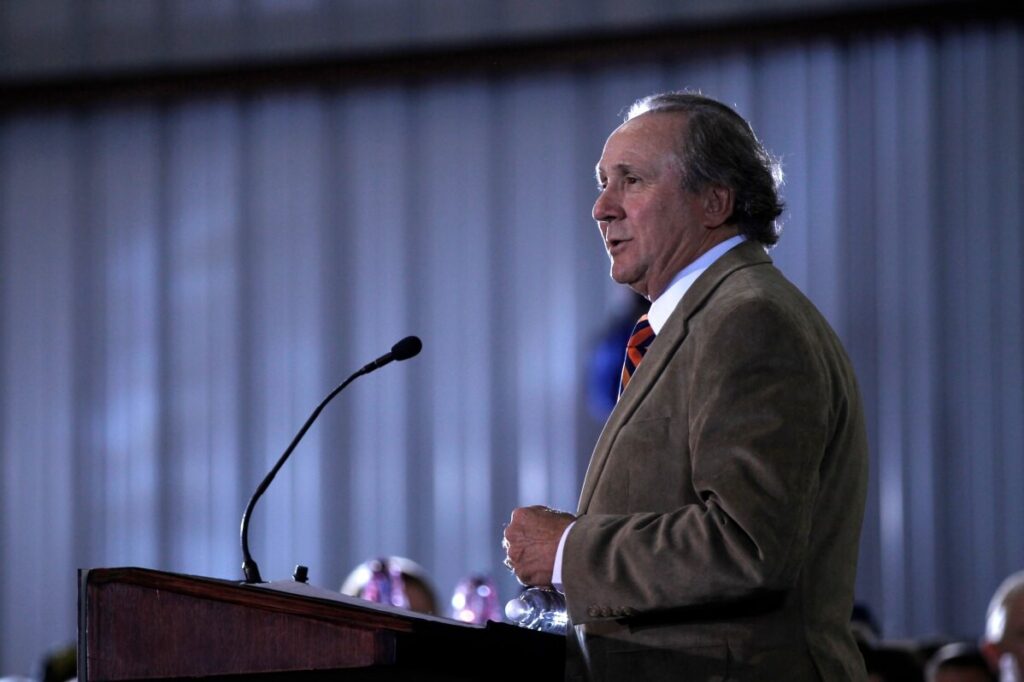
In an unfolding saga that reads more like a geopolitical thriller than a straightforward criminal case, the question of who will defend former Venezuelan dictator Nicolás Maduro in Brooklyn federal court has spiraled into confusion and conflict. This is not just a procedural squabble; it lays bare significant flaws in the handling of one of the most audacious law enforcement actions in recent memory.
Why Does Legal Representation Matter in Maduro’s Case?
Maduro, recently seized by U.S. special forces from Venezuela, faces grave drug trafficking charges that implicate him as a key player in smuggling massive quantities of cocaine into America. Yet days after his arraignment, his very right to choose counsel—a fundamental pillar of justice—is under dispute between two lawyers: Barry Pollack, currently recognized as Maduro’s defense attorney, and Bruce Fein, a former Reagan-era deputy attorney general claiming to assist Maduro without direct authorization.
Pollack insists he alone represents Maduro and that Fein’s attempt to join the case lacks any legitimate consent. Fein counters with claims that members close to Maduro’s circle solicited his help amid what he calls “startling” and “viperlike” circumstances surrounding Maduro’s detention—circumstances rife with restricted communications and potential misunderstandings.
What Does This Reveal About America’s Approach?
This chaos is neither accidental nor trivial when seen through an America First lens. The United States took extraordinary measures to apprehend a foreign leader implicated in drug trafficking threatening our communities. Yet now, internal discord over basic legal representation risks undermining the credibility of this landmark operation.
How long will Washington tolerate such bureaucratic disarray while national security demands clear, decisive action? For American families burdened by drug-related violence fueled by narcotics trafficked across borders, every hour lost to infighting weakens our ability to uphold justice and sovereignty.
This episode also raises broader questions about respecting due process even for enemy figures—a principle President Trump’s administration consistently emphasized when pursuing America First policies. Ensuring transparency and lawful conduct in prosecuting foreign adversaries preserves our moral high ground amid an increasingly hostile global environment.
The involvement of prominent figures like Fein, juxtaposed with Pollack’s exclusive claim over representation, spotlights how easily legal maneuvering can become a tool for obfuscation instead of clarity—precisely what those who exploit our system desire.
As this drama unfolds in federal courtrooms far from Caracas but with consequences reaching American streets, we must ask: Will the government ensure that justice is not just swift but principled? Or will muddled tactics erode public trust at a time when national security stakes have never been higher?