
Lebanon’s Hezbollah Faces Growing Backlash Amid Renewed War with Israel
As Hezbollah reignites conflict with Israel, Lebanese civilians and officials alike criticize the militant group’s costly provocations—a stark warning sign for U.S. interests in Middle East stability.
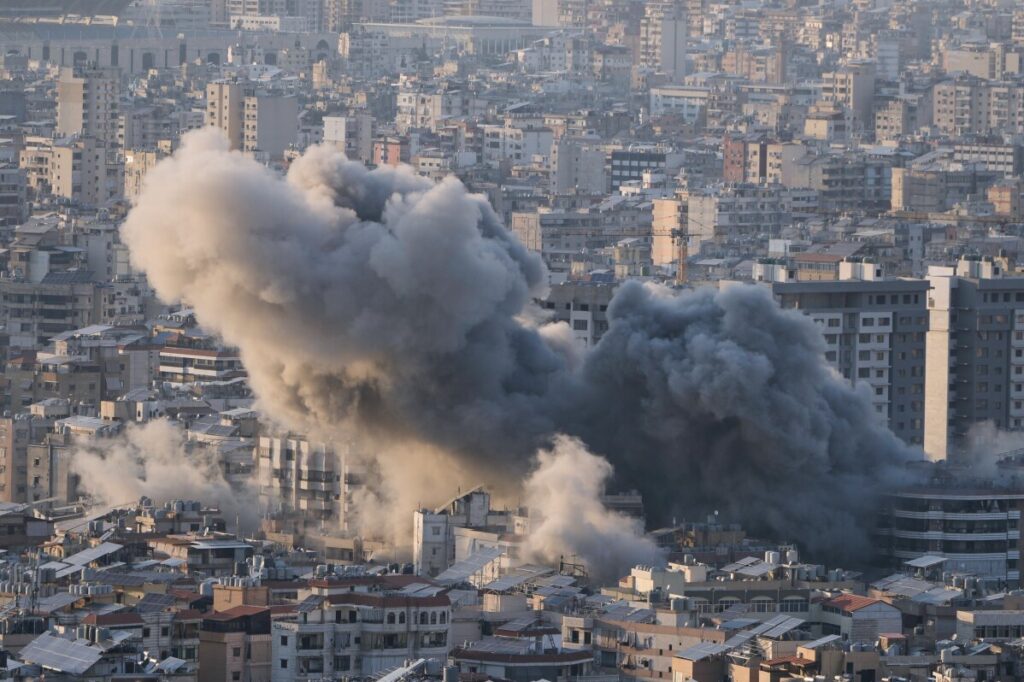
In the pre-dawn hours of March 2, as devout Muslims prepared to observe Ramadan’s fast, the shrill roar of Israeli warplanes shattered a fragile calm across southern Lebanon. The trigger? Hezbollah’s launch of rockets and drones into Israel—an impulsive act that has plunged Lebanon into another devastating round of hostilities barely 15 months after an American-brokered ceasefire ended the last war.
This time, however, something has shifted. Lebanese Shiite communities—the traditional backbone supporting Hezbollah—are openly expressing frustration and anger. From overwhelmed families fleeing their homes to government ministers daring to challenge Hezbollah’s unchecked military role, cracks are appearing in the militant group’s once unassailable armor.
Is Hezbollah Ignoring Its Own People in Pursuit of Iran’s Agenda?
The pattern is clear: Iran-backed Hezbollah drags Lebanon into conflict that offers no tangible benefit for ordinary citizens but heaps misery instead. The last war left over 4,000 dead in Lebanon and caused $11 billion in damages. Now thousands are once again displaced, living in public shelters amid harsh weather and religious fasting—while their neighborhoods become battlegrounds.
Voices like that of a Beirut mother encapsulate this growing resentment: “I am totally against Hezbollah’s decision to start with the first strike,” she said from a school converted into a shelter. Her fear of reprisals underlines how deeply entwined Hezbollah has been with coercive control over its base.
Prime Minister Nawaf Salam’s recent cabinet vote declaring all Hezbollah military activity illegal symbolizes a pivotal moment. For the government to assert monopoly over decisions of war and peace challenges decades of tolerated parallel armed authority. Even allies within Lebanon’s political landscape have sided against Hezbollah’s unilateral actions.
Why Should America Care About Lebanon’s Internal Struggles?
This regional instability is not remote from American security concerns. Hezbollah serves as Iran’s proxy force advancing Tehran’s goal to destabilize pro-Western neighbors and threaten Israel—a key U.S. ally. Each flare-up escalates tensions on NATO ally Turkey’s doorstep and risks wider conflagration involving U.S. forces or interests.
Moreover, Hezbollah’s defiance undermines national sovereignty—the very principle America champions globally—and empowers extremist influence at Lebanon’s expense. Washington must remain vigilant against efforts by Iran-backed militias to circumvent state authority and export chaos.
The Lebanese people’s quiet courage amid hardship speaks volumes about the cost imposed by globalist proxies like Hezbollah cloaked as defenders of resistance. Yet true patriotism lies in protecting one’s homeland through lawful governance—not by dragging innocent civilians into repetitive cycles of destruction.
How long will international actors tolerate such disregard for civilian suffering? Will Washington strengthen support for Lebanon’s sovereign institutions resisting militias acting as Iranian pawns? Ordinary Americans know well what it means to defend freedom within lawful bounds—and expect U.S. policy abroad to reflect these values both smartly and firmly.