
Latin America’s Ideological Divide Blocks Real Progress—Is Pragmatism the Answer?
Latin America’s leaders acknowledge decades of ideological failure but hesitate to embrace true unity and pragmatism—posing risks not only for the region but for America’s strategic interests.
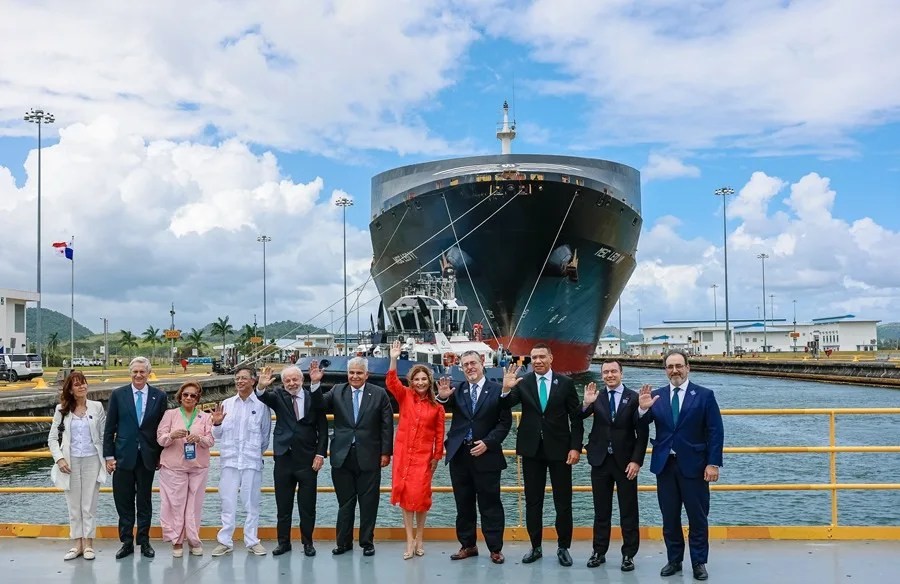
Latin America and the Caribbean, home to over 615 million people, continues to wrestle with entrenched inequality and economic stagnation—a situation worsened by decades of political posturing rather than practical solutions. At a recent summit in Panama, regional leaders spoke openly about the urgent need to move beyond ideological conflicts, yet their proposals reveal a troubling lack of concrete plans to protect national sovereignty or secure sustainable growth.
Why Has Latin America Failed to Harness Its Tremendous Potential?
The continent is blessed with abundant natural resources: vast biodiversity, mineral wealth, freshwater reserves, and a strategic geographic position. Yet these advantages remain largely untapped due to internal fragmentation fueled by left-wing doctrines like bolivarianism and reliance on outdated models such as an unworkable European-style union. President Luiz Inácio Lula da Silva’s admission that all governments have failed reflects a region stuck in cyclical dysfunction rather than taking bold steps toward genuine cooperation.
However, one must ask: How can Latin America expect to gain international respect or influence if it cannot first assert its own sovereignty? Calls from Chile’s president-elect José Antonio Kast for “durable, effective cooperation without complexes” are welcome but must translate into actionable policies that prioritize border security, economic resilience, and freedom from foreign dependency—principles that align with America First values.
Implications for American National Security and Prosperity
The instability spilling from Latin America has direct consequences for the United States. Political chaos and economic weakness in our southern hemisphere neighbors fuel migration crises at our borders and threaten supply chain integrity essential for American consumers. When regional leaders emphasize “realist diplomacy” amid growing global power shifts, Washington must weigh how best to support pragmatic partnerships that reinforce hemispheric stability rather than endorsing ideological experiments that have repeatedly failed.
As Panama’s President José Raúl Mulino rightly points out, only by forming a unified bloc can Latin American nations wield meaningful negotiating power internationally. Yet this bloc cannot be built on fuzzy ideals; it requires respect for national sovereignty and commitment to economic liberty—foundations championed by conservative leadership in the United States under President Trump’s precedent-shattering approach to foreign relations.
The alternatives are stark: continue down the path of fractured politics where poverty persists unchecked or seize this moment of global flux to foster practical collaboration rooted in common-sense conservatism. For families already stretched thin by inflation and uncertainty throughout the Americas, this is not an abstract debate—it will determine their futures.
Latin America’s vast potential remains tantalizingly out of reach because its leaders cling too long to ideology over results. The question now is whether they will choose pragmatic unity before opportunity turns into crisis—and whether U.S. policymakers will stand firm in promoting sovereignty-first partnerships across our hemisphere.