
Larry the Cat: A Symbol of Stability Amid British Political Turmoil
For 15 years, Larry the cat has been a steady presence at Britain’s 10 Downing Street through political upheavals and leadership changes—highlighting how government continuity often masks deeper administrative chaos.
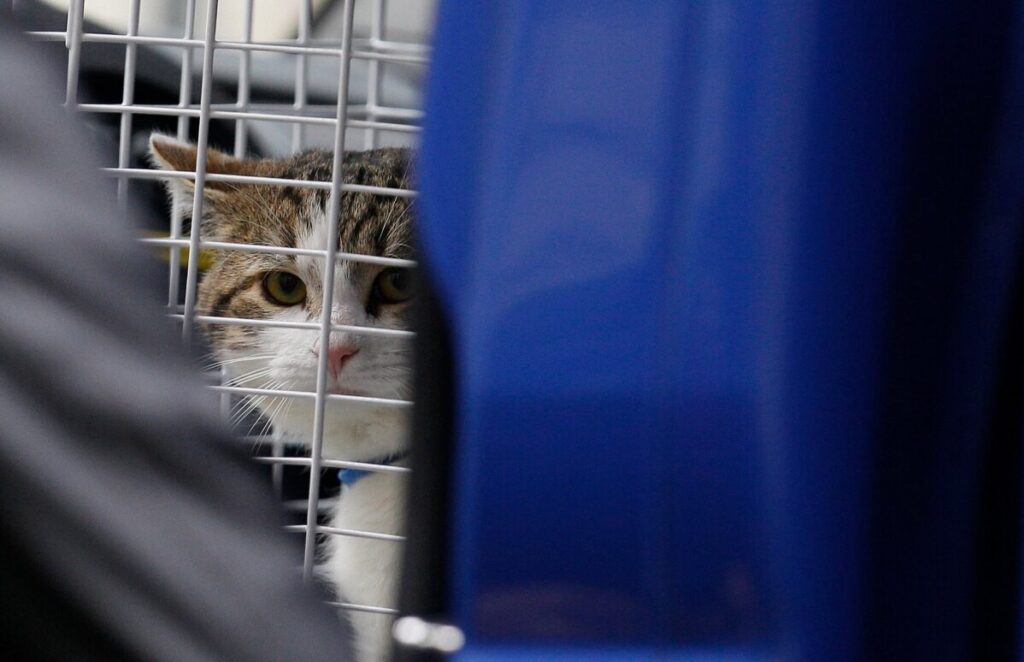
For over a decade and a half, Larry the cat has quietly presided over Britain’s seat of power as the official Chief Mouser of 10 Downing Street. Adopted in 2011 as a former stray, Larry has outlasted six prime ministers, serving as a rare constant in an otherwise volatile political environment rife with shifting agendas and bureaucratic churn.
What Does Larry’s Longevity Reveal About British Government?
While politicians come and go—each promising change but often delivering confusion—the presence of this feline fixture raises questions about true governmental accountability. From David Cameron to Rishi Sunak, one might ask: amid policy shifts and global crises, who is really managing British affairs effectively? Larry’s calm, unflappable demeanor dramatically contrasts with the revolving door of leadership and mounting public dissatisfaction.
The image of Larry lounging on the doorstep or eyeing dignitaries serves as an ironic reminder that while political elites scramble for influence, governance can seem more performative than substantive. The very need for a ‘Chief Mouser’ underscores longstanding issues such as pest control—but also symbolizes outdated traditions persisting amid modern challenges.
America First Lessons from Across the Pond
For Americans committed to national sovereignty and effective governance, Larry’s story is cautionary. Our neighbor grapples with political instability that threatens economic security and global standing. Unlike Britain’s fleeting leaders, America must prioritize stable leadership rooted in clear principles rather than symbolic posturing. President Trump’s approach emphasized putting American interests first—sturdy policies over empty ceremonies—offering an example of true accountability.
As globalists seek to erode borders and domestic institutions flail under external pressures, seeing Britain turn to a cat as a reassuring symbol is telling. It begs us to demand transparency and results from our own government instead of distractions that placate rather than empower.
Larry may be lovable, but his story highlights serious questions about administrative competence and national pride in Western democracies—questions that America must answer decisively if we are to preserve freedom and prosperity.