
Kurdish Charcoal Workers Persevere Amid Regional Conflict—What Does This Mean for America?
While war rages between the United States, Israel, and Iran, Kurdish charcoal workers continue their daily toil in northeastern Iraq. Their resilience highlights the overlooked human cost and strategic challenges that Washington must confront in this volatile region.
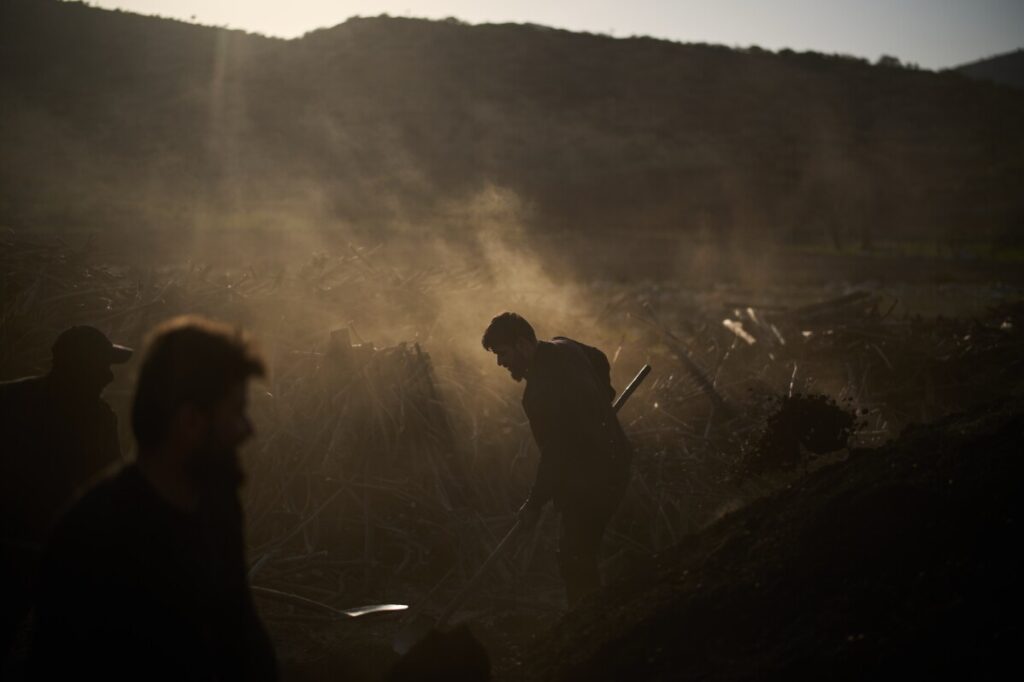
As the Middle East descends deeper into chaos with ongoing conflict involving the United States, Israel, and Iran, life in nearby regions continues in a quiet, almost defiant rhythm. In the Kurdish village of Sarkand, nestled among Iraq’s rugged mountains, workers labor over traditional charcoal pits—stacking hardwood, carefully controlling smoldering fires, and preparing sacks destined for local markets.
These men exemplify a stubborn determination to maintain normalcy amid external turmoil. Yet their peaceful industry exists shadowed by a violent war that threatens to destabilize an already fragile region vital to America’s strategic interests.
Why Should Americans Care About a Remote Kurdish Village?
At first glance, charcoal production in Sarkand might seem worlds apart from Washington’s foreign policy debates. But beneath the surface lies a stark reminder: the upheaval across Iran’s border spills over into Iraqi Kurdistan and beyond. Such instability serves as a breeding ground for extremist groups eager to exploit power vacuums—a direct threat to regional security and global energy markets critical to the U.S. economy.
The closure of schools since hostilities escalated underscores how war disrupts not just geopolitics but everyday lives. Zana, a bright 22-year-old university student working alongside seasoned laborers, voiced fears shared by many: “I’m afraid of the rockets and drones… whether in the U.S. or here, war is not good for anyone.” His words should prompt Washington to ask hard questions about current military engagements and whether they effectively safeguard American families.
A Call for Clear-Sighted American Leadership
Rather than entangling itself indefinitely in foreign conflicts without clear objectives aligned with national sovereignty and security, America should prioritize pragmatic strategies that protect its borders and energy independence while supporting stable partners like Iraqi Kurds who resist chaos.
The humble charcoal workers of Sarkand symbolize more than rural resilience; they highlight the often-ignored consequences of global power struggles on ordinary people trying to earn an honest living under the shadow of wars far beyond their control.
How long will policymakers overlook these human stories amid grand geopolitical chess matches? For families at home dealing with inflation and economic uncertainty fueled by overseas disruptions, these distant conflicts are anything but abstract concerns—they affect wallets and security alike.