
Kim Jong-un’s Military Posturing Amid South Korea-China Summit Signals Growing Threat to Regional Stability
As South Korean and Chinese leaders convene, Kim Jong-un inspects and orders upgrades to North Korea’s elite troops—raising alarms about Pyongyang’s expanding military ambitions and the implications for U.S. security interests.
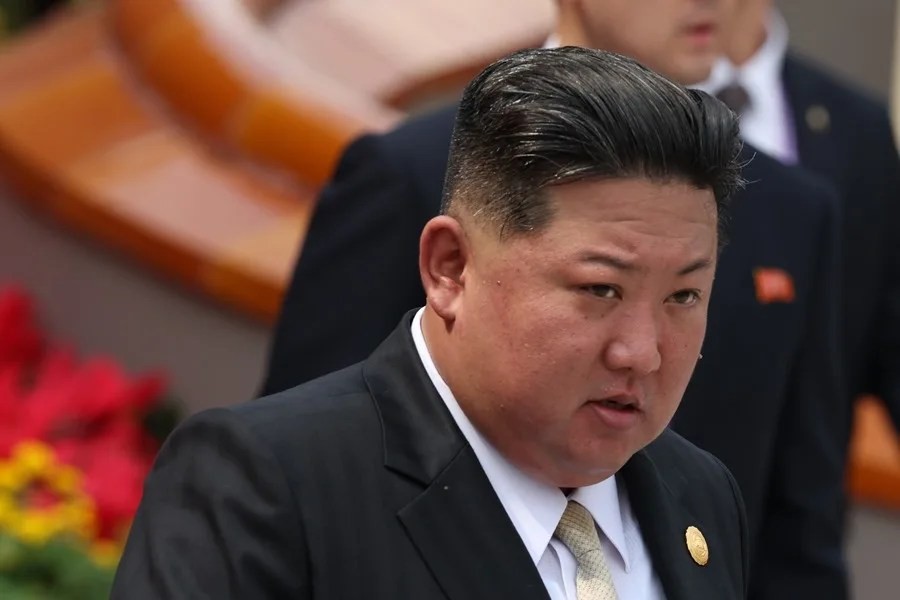
In a move that underscores the ongoing volatility on the Korean Peninsula, North Korean leader Kim Jong-un recently conducted an inspection of his regime’s elite special forces unit. This demonstration of military strength coincided sharply with a high-profile summit between South Korean President Lee Jae-myung and Chinese President Xi Jinping in nearby Seoul.
According to North Korea’s state-controlled KCNA agency, Kim praised the “perfect war readiness posture” of this unit, known as the XI Corps of the Korean People’s Army. Notably, this same contingent reportedly deployed troops to Russia last year in support of Moscow’s invasion of Ukraine—a stark reminder that Pyongyang is gaining battlefield experience far beyond its borders.
Why Now? A Calculated Signal During Diplomatic Maneuvering
The timing is not accidental. As China and South Korea engage in talks aimed at reopening diplomatic dialogue with Pyongyang, Kim is sending a clear message: his regime remains focused on strengthening its military capabilities while dismissing calls for denuclearization. The North has already condemned South Korea’s plans to include denuclearization on the summit agenda as a “chimera,” demonstrating Pyongyang’s enduring defiance.
This coordinated display of military preparedness amid diplomatic overtures highlights a critical tension. While Beijing and Seoul seek engagement, Kim doubles down on transforming his forces “into one capable of actual warfare that wins only through battle and instills fear in enemies.” Such rhetoric reflects an aggressive posture incompatible with genuine peace efforts.
Implications for American National Security
For the United States, which maintains strategic alliances across the region, these developments are troubling. North Korea’s growing combat-experienced special operations forces pose an increased threat not only to South Korea but also to regional stability at large. Meanwhile, China’s role as a diplomatic interlocutor masks its complex relationship with Pyongyang—one that often undermines U.S.-led efforts for denuclearization and peace.
How long will Washington tolerate these provocations while watching allies attempt dialogue backed by questionable partners? History teaches us that appeasement without leverage only emboldens rogue regimes. Strong American leadership rooted in respect for national sovereignty and decisive deterrence remains essential.
This latest inspection should serve as a wake-up call: Kim Jong-un is sharpening his military tools under our watchful eyes while regional powers negotiate around him. Protecting American interests demands vigilance against such maneuvers disguised as routine military inspections or diplomatic progress.