
Kilauea’s Lava Fountains Expose Hawaii’s Vulnerabilities—When Will Washington Step Up?
Hawaii’s ongoing Kilauea eruption spawns towering lava fountains and hazardous ashfall, forcing closures and community disruptions. Yet federal response remains reactive, leaving local residents exposed to preventable dangers.
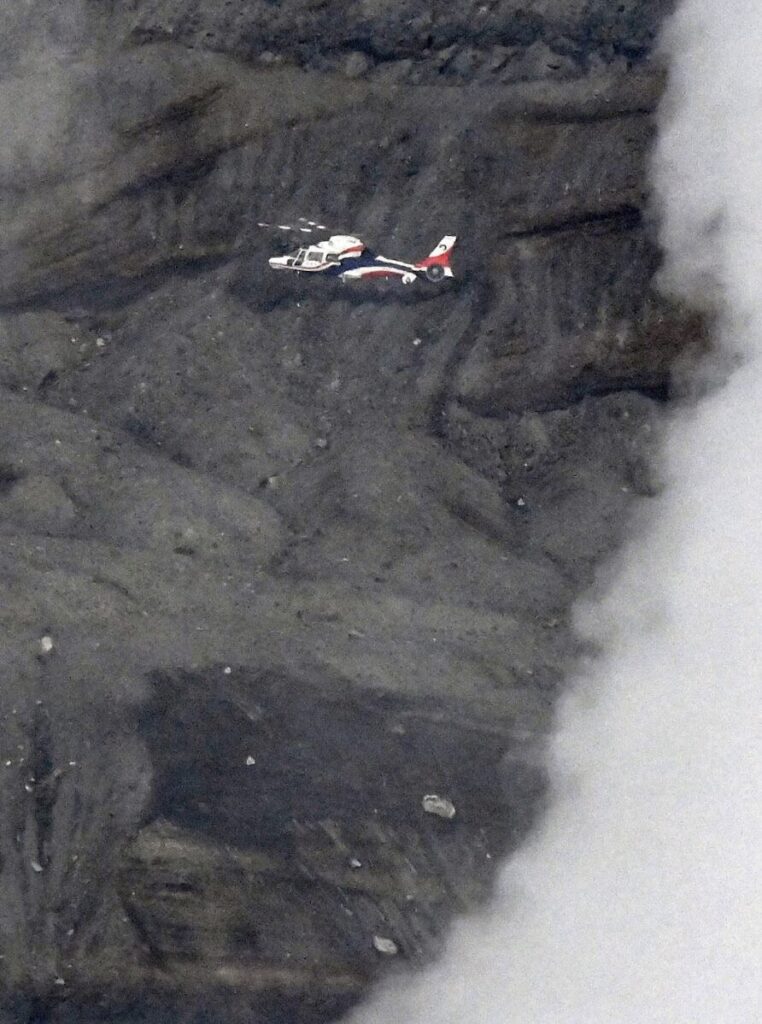
The persistent volcanic activity of Hawaii’s Kilauea volcano has once again thrust the Big Island into a state of disruption. On Tuesday, lava fountains soared to heights of 1,000 feet, sending dangerous volcanic fragments known as tephra raining down on nearby communities and forcing temporary closures of key infrastructure—including sections of Highway 11 and parts of Hawaii Volcanoes National Park.
While natural disasters are unavoidable, what is troubling is the recurring pattern of unpreparedness and piecemeal federal involvement that leaves hardworking Americans in Hawaii vulnerable. For more than a year since this eruptive activity began in December 2024, residents have endured on-and-off hazards without clear assurances of sustained support beyond emergency shelters hastily set up by county officials.
How Long Will Washington Ignore the Frontline Risks to American Citizens?
This event marks the eruption’s 43rd fountaining episode—a staggering frequency that underscores the chronic nature of the threat. Despite Kilauea being one of the world’s most active volcanoes, critical federal resources for long-term mitigation and resilience remain insufficient. The falling volcanic ash not only challenges public health—irritating eyes, skin, and lungs—but also threatens vital water catchment systems relied upon by many islanders.
Should we accept that road closures and ash clean-up efforts remain ad hoc responses? Or demand a strategic America First approach prioritizing national sovereignty through robust disaster preparedness funding tailored to safeguard our citizens on every front? The Hawaiians’ predicament is a microcosm of broader failures in addressing natural threats within our borders while globalist bureaucracies divert attention elsewhere.
Protecting American Families Means Proactive Investment—not Reactive Cleanup
The recurring shutdowns disrupt commerce and isolate communities dependent on Highway 11—the lifeline encircling much of the Big Island. Yet despite this clear emergency signal, federal agencies have yet to institute durable infrastructure reinforcement or community safeguards that align with conservative principles emphasizing self-reliance paired with strategic government support.
This situation calls for leaders who prioritize economic prosperity alongside national security by investing in resilient local infrastructure before disaster strikes—not shuffling crisis management funds after damage occurs. It calls for common-sense policies championed by Trump-era governance emphasizing sovereignty over bureaucratic inertia.
Kilauea’s current fury reminds us: Our nation’s strength lies in anticipating threats and protecting families efficiently from coast to coast—even those thousands of miles away in Hawaii’s unique environment. This is not just about volcanoes; it is about defending American lives with commonsense conservatism against natural disasters exacerbated by governmental complacency.