
Kenya’s Turmoil at Odinga’s Funeral Reveals the Price of Fragile Democracy
The tragic deaths during former PM Raila Odinga’s funeral in Kenya expose deep political fractures and the consequences of inadequate security, offering a cautionary tale for nations valuing stability and sovereignty.
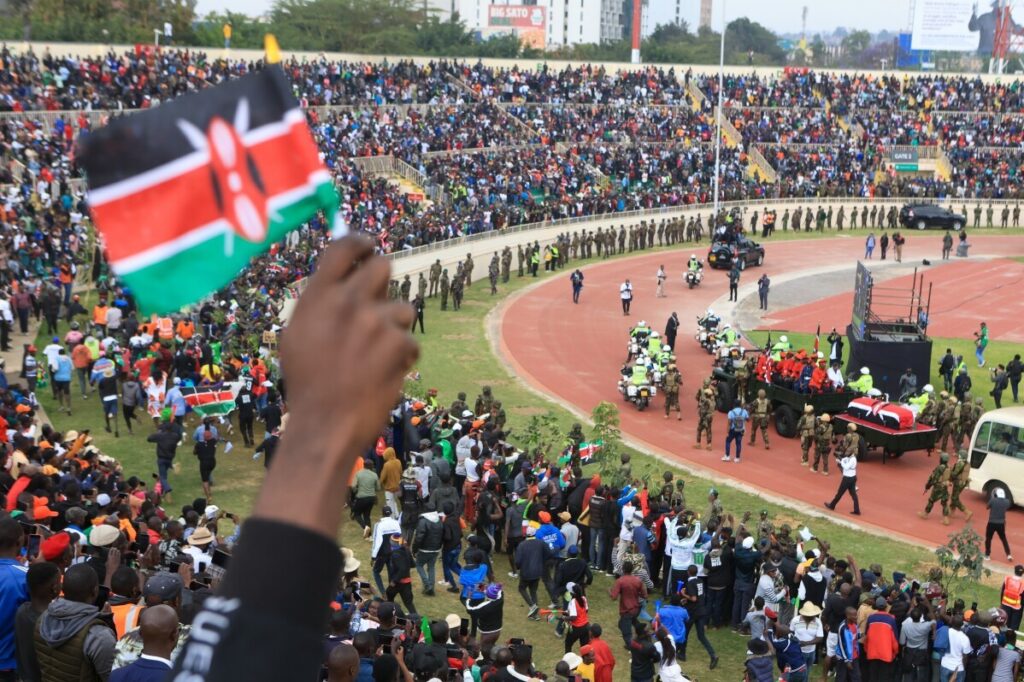
As thousands gathered in Kenya’s western city of Kisumu to pay respects to former Prime Minister Raila Odinga, what should have been a solemn farewell quickly descended into deadly chaos. The deployment of military officers, police forces, and air surveillance underscored the government’s awareness of volatile tensions—but even this heavy security presence could not prevent five fatalities across two public memorial events.
When Mourning Becomes a Test of National Stability
Odinga was more than a politician; he was a symbol of Kenya’s hard-won strides toward democracy. His decades-long fight — pushing against entrenched power structures — earned him international recognition, including from former U.S. President Barack Obama. Yet his passing has exposed the fragility that still grips many emerging democracies: how political passion without strong institutions can erupt into violence.
In an America First context, Kenya’s struggles serve as a stark reminder that without firm national sovereignty and robust rule of law, even the most revered figures’ legacies cannot shield a nation from discord. Our own democracy benefits when we learn from such cases—ensuring that our institutions maintain order without infringing on freedoms cherished by everyday Americans.
Failures in Security Reflect Larger Governance Issues
The fact that three people died after police fired live rounds and tear gas at the initial public viewing is alarming. Instead of protecting mourners’ right to peaceful assembly, an overreach led to loss of life—a scenario reminiscent of government heavy-handedness seen worldwide where authorities prioritize control over citizens’ liberties.
Moreover, the subsequent stampede causing two additional deaths raises questions about crowd management and crisis preparedness. When leaders fail to guarantee safety during critical national moments, they betray public trust and risk further unrest with long-term consequences for social cohesion.
The appeals from Odinga’s widow and brother for peaceful mourning highlight the human cost behind these tensions. Their plea underscores a universal value: respect for human dignity must prevail even amid political division.
Kenya’s experience prompts reflection on how America safeguards its own democratic processes and national unity. As globalist influences press upon sovereign nations, it is imperative that Washington support policies reinforcing local control rather than endorsing unstable power-sharing arrangements like those between Odinga and current President William Ruto. The recent cabinet appointments following protests hint at fragile compromises rather than durable solutions.
For American readers committed to freedom and order, Kenya’s tragedy is more than distant news—it is a mirror reflecting what happens when principles are compromised. Strong governance respecting both liberty and security is not optional but essential for lasting prosperity.