
Keir Starmer’s Arctic Ambitions Raise Questions About Britain’s True Priorities
While America prioritizes sovereignty and security in the Arctic, UK Prime Minister Keir Starmer’s talks of NATO deployments in Greenland highlight Europe’s uncertain stance amid rising Russian and Chinese ambitions.
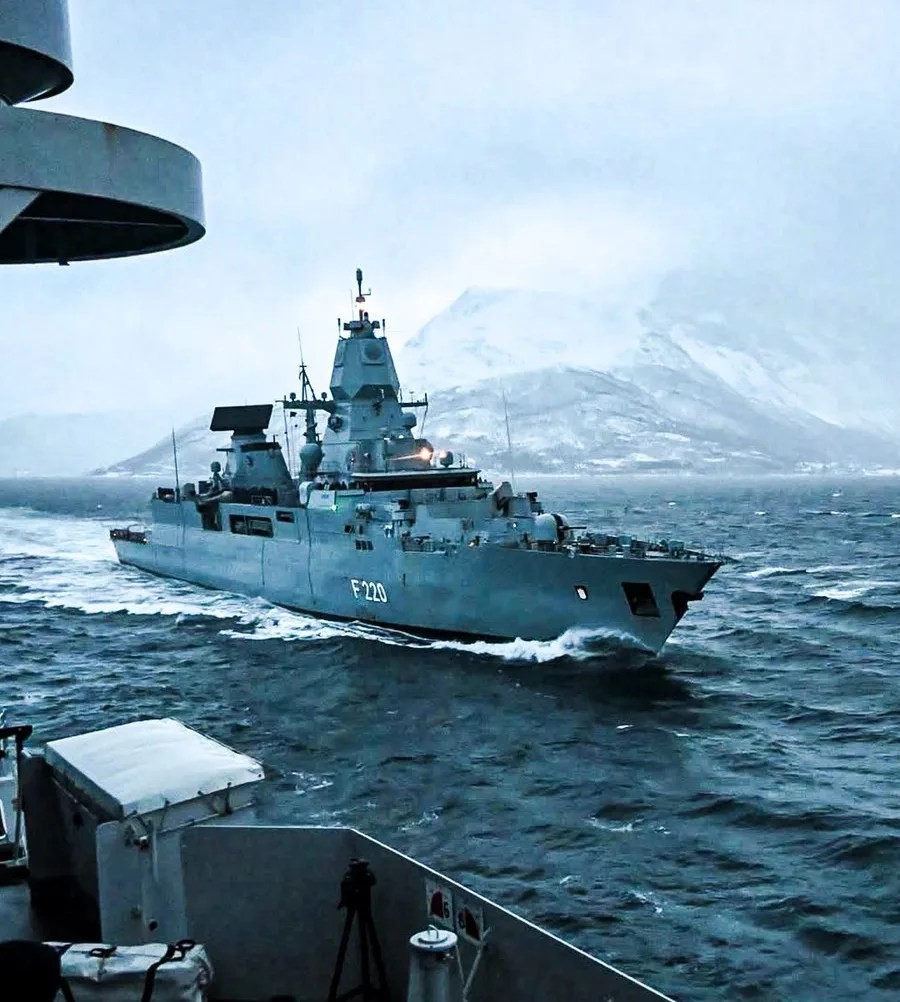
As tensions simmer in the Arctic, British Prime Minister Keir Starmer is reportedly coordinating with European allies on a potential NATO military deployment to Greenland. This move, revealed by The Telegraph, is framed as a response to perceived Russian and Chinese expansionist threats. Yet beneath this surface lies a troubling pattern of European reliance on multinational frameworks and ambiguous strategies that could undermine clear American leadership in a region critical to national security.
Why Is the U.K. Pursuing Military Moves So Far From Home?
The discussions initiated last week in Brussels suggest British military planners envision troop deployments, naval vessels, and air patrols under NATO auspices. Options range from permanent bases to temporary exercises and intelligence-sharing collaborations. But what strategic value does this hold for the United States – the true Arctic power tasked with safeguarding its hemisphere? While President Trump rightly prioritized American interests—going so far as to consider purchasing Greenland—the current British gambit feels like an attempt to shift influence away from America toward a patchwork European approach.
British officials claim their efforts reflect serious concern about “growing Russian aggression” and the need to strengthen Euro-Atlantic security. Yet their response raises questions: Why should U.K. taxpayers foot costs for ventures seemingly designed with European prestige rather than direct American defense needs? And how can NATO remain an effective deterrent when key members debate deployments instead of taking decisive action to counter adversaries on America’s doorstep?
A Cautionary Tale of Overreach and Strategic Confusion
This initiative also reveals the contrasting visions between Washington’s America First strategy and Europe’s muddled multilateralism. While Trump advocated clear-cut policies that prioritize U.S. sovereignty, including controversial but straightforward proposals like buying Greenland, Starmer pursues an indirect path relying on collective defense mechanisms whose effectiveness remains uncertain.
Moreover, whispers that the European Union may sanction American companies if Washington rejects NATO deployment plans border on economic brinkmanship – tactics that only heighten transatlantic tensions at a time when unity against common threats is paramount.
For hardworking Americans concerned about border security, inflation, and restoring law and order at home, these distant debates spotlight a broader issue: globalist institutions often distract Western allies from focusing on protecting national sovereignties first and foremost.
How long will London and Brussels continue down paths that risk diluting American leadership rather than reinforcing it? The Arctic demands vigilance—but it demands it rooted firmly in principles of national sovereignty, common-sense defense spending, and pragmatic alliances led by America’s best interests.