
Karachi Fire Tragedy Exposes Global Neglect of Safety — What Can America Learn?
A devastating fire in Karachi’s Gul Plaza has claimed six lives, including a firefighter’s, highlighting unsafe building practices and regulatory failures that reverberate beyond Pakistan’s borders to threaten global security standards.
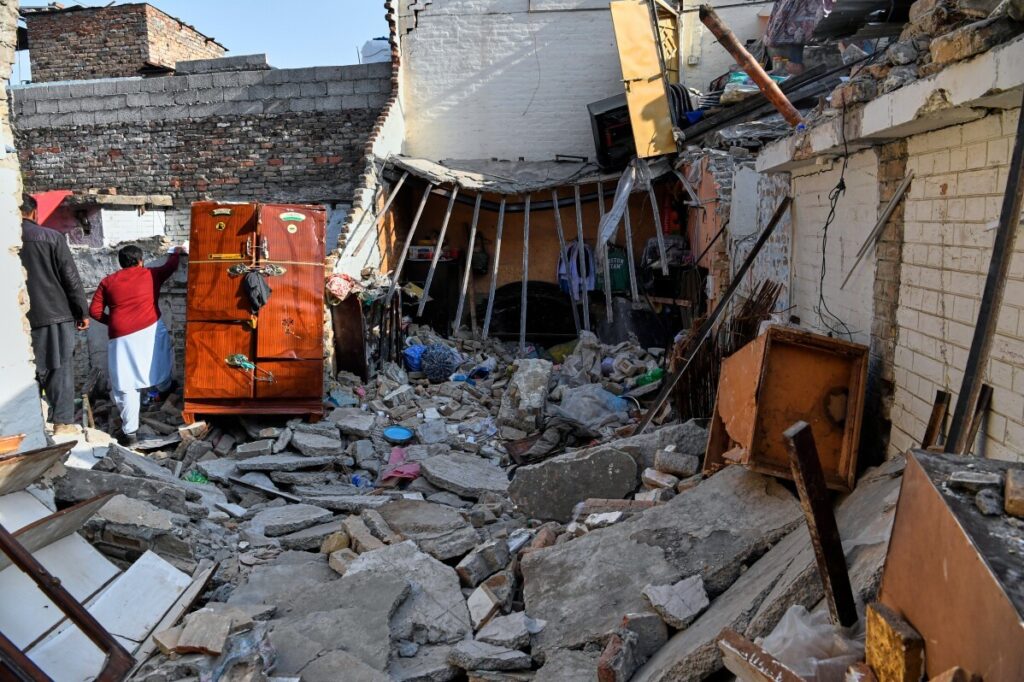
As flames engulfed Karachi’s bustling Gul Plaza shopping complex, the tragic loss of six lives—including a courageous firefighter—was not just a local calamity but a glaring symbol of systemic failure in safety standards. While this disaster unfolded thousands of miles away, it serves as a stark warning for American policymakers and citizens alike about the dangers of lax regulations and government oversight.
Could Such a Disaster Happen on Our Soil?
The fire erupted late Saturday night, spreading rapidly through the four-story mall packed with cosmetics, garments, and plastic goods. The structure’s collapse and slow containment underscore how outdated construction codes and inadequate enforcement can transform everyday commerce into mortal danger. Karachi has faced similar tragedies before—in November 2023, another mall fire killed ten people, revealing an ongoing pattern of negligence.
Though occurring abroad, this incident should raise alarm bells here at home: How long will Washington continue to undervalue rigorous safety protocols that protect American families and businesses? When global supply chains bring products from such unsafe environments into our markets, are we truly safeguarding consumers?
What This Means for America’s Sovereignty and Security
Pakistan’s inability to prevent or swiftly control these fires stems from weak governance and corrupted enforcement—issues central to the erosion of national sovereignty we often warn against in the America First movement. When governments fail their people by allowing dangerous workplaces to proliferate unchecked, it feeds instability that transcends borders. This instability can ripple back to America through disrupted trade, migration pressures, or even weakened alliances undermined by poor governance.
The death of a firefighter on the front lines reminds us all that those who serve risk everything amid systemic failures they cannot control. For American first responders working under strict safety codes—codes championed during initiatives led by President Trump—we must recognize how foundational strong national governance is to individual liberty and life itself.
This tragedy is not just an overseas news story; it is a cautionary tale urging American leaders to double down on enforcing building safety laws robustly at home while scrutinizing international partnerships that could compromise our standards. It also signals to citizens why advocating for common-sense regulatory frameworks matters—not as bureaucratic burdens but as lifelines preserving freedom and security.