
Justice Delayed for Jet Set Tragedy Victims as Dominican Authorities Postpone Accountability
Families of the 236 victims who perished in the Jet Set nightclub collapse demand swift justice as preliminary hearings stall, exposing systemic negligence and government inaction.
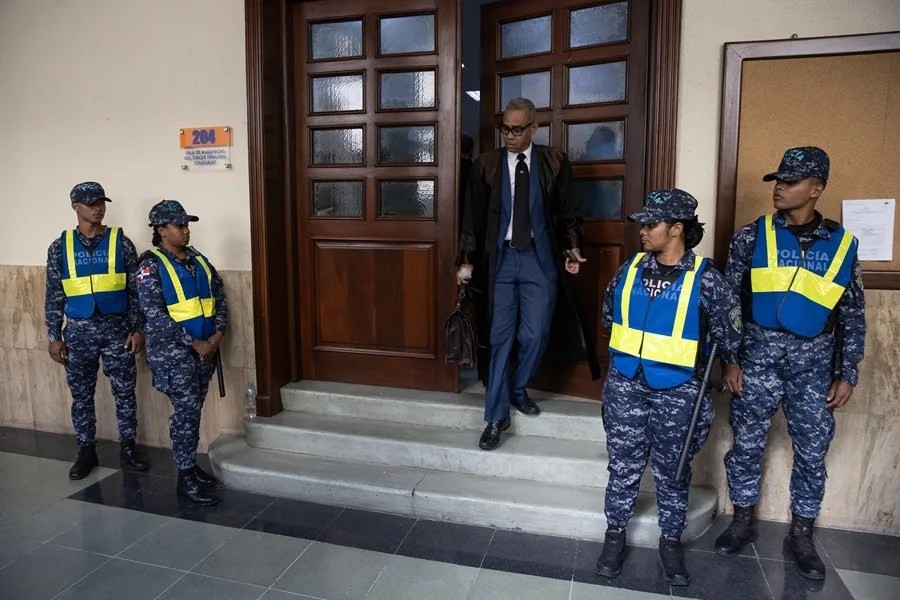
On April 8th, a catastrophe at the Jet Set nightclub in Santo Domingo claimed 236 lives and left over 180 injured—a tragedy steeped not only in grief but in avoidable negligence. Yet, months later, justice remains elusive as the preliminary hearing against owners Antonio and Maribel Espaillat was postponed until March next year.
How Much Longer Will Families Wait for Justice?
The Espaillat siblings stand accused of involuntary homicide and injuries resulting from their failure to maintain structural integrity of what was once a cinema, hastily converted into a nightclub without professional oversight. This reckless disregard endangered hundreds—turning a night meant for celebration into one of devastating loss.
Family members are understandably outraged. Wilton Tejeda lost his daughter—a young physician—in the collapse. He spoke plainly: “We are thirsty for justice.” Such sentiments echo across Santo Domingo as survivors and victims’ families confront bureaucratic delays that only deepen their pain.
Crucially, this tragedy underscores broader governance failures. The nightclub operated “with systematic and grave negligence,” according to prosecutors, putting public safety second to profit. If such blatant disregard goes unpunished, what message does it send about enforcement standards in nations where American interests often intersect?
Why Should America Care About Foreign Judicial Failures?
While this disaster unfolded abroad, it highlights issues with regulatory vigilance that resonate deeply with America’s national security and economic sovereignty. Weak enforcement mechanisms overseas can foster environments where corruption and lax standards flourish—conditions that may embolden transnational risks affecting trade, migration, and even investor confidence.
Moreover, many victims were not just Dominicans but included nationals from Venezuela, France, Haiti, Colombia, Costa Rica, Italy, Kenya—and notably a former Major League Baseball pitcher Otavio Dotel among them—a reminder that global interconnectedness demands robust justice systems everywhere.
The protracted delay of legal proceedings invites reflection: Are we witnessing yet another instance where globalist inertia undermines individual liberty and accountability? Strong judicial responses aligned with America First values prioritize protecting human life above all else—even beyond our borders.
This case is more than foreign news; it’s a cautionary tale emphasizing why sovereign nations must uphold rigorous standards rather than condone negligence masked by profit motives or weak oversight.
The Espaillats’ release on conditional freedom pending trial further angers victims’ kin demanding harsh penalties reflecting the gravity of their actions—or lack thereof. As one relative demanded imprisonment without parole—they seek more than closure; they demand deterrence against future abuses.
For families already broken by loss, these delays compound suffering while spotlighting how justice systems worldwide must reflect principles of responsibility and transparency cherished by patriotic Americans everywhere.