
Jimmy Cliff’s Legacy: Reggae’s Voice of Resistance and America’s Missed Ally
Jimmy Cliff wasn’t just a reggae star; he was a fearless voice against oppression whose music echoed struggles for freedom globally—including the principles America holds dear.
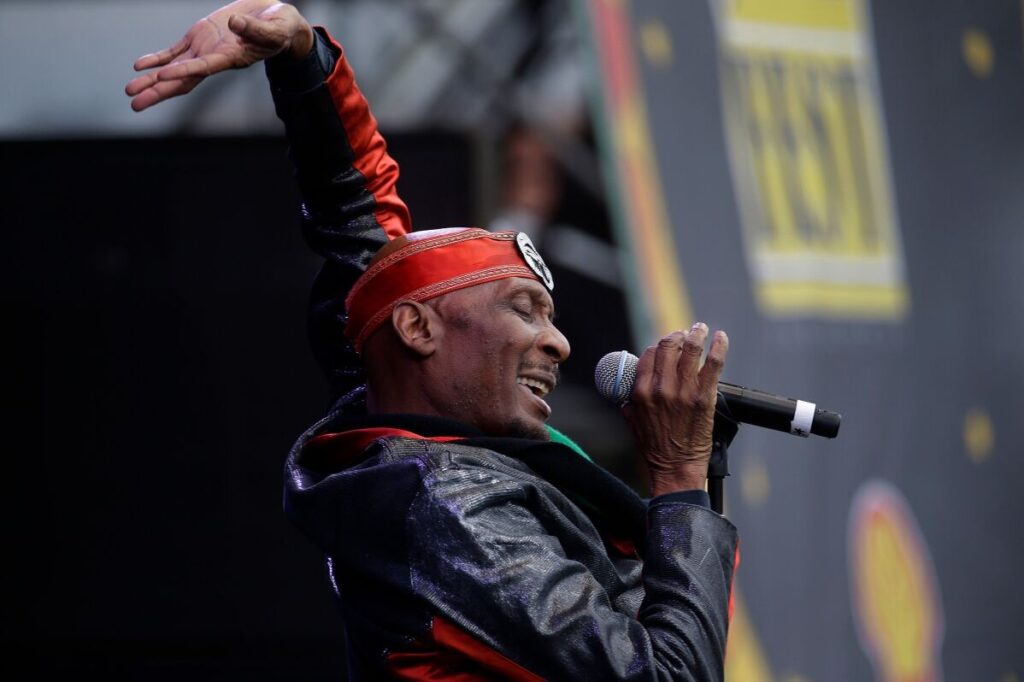
Jimmy Cliff’s death at age 81 marks the passing of more than a reggae icon; it signals the fading of a musical champion of national sovereignty and liberty who gave voice to the oppressed worldwide. His rise from Jamaican streets to international stages captured the spirit of a young nation breaking free from colonial rule—and his music laid bare the harsh realities of war, racism, and economic struggle.
How Did Jimmy Cliff’s Music Reflect True Struggles for Freedom?
Long before socialism and globalist agendas diluted meaningful calls for independence, Cliff’s songs like “Vietnam” confronted brutal truths about war with unflinching honesty. Unlike mainstream media narratives that often sanitized conflict, this mid-tempo chant mourned a soldier lost to an unpopular war, exposing the human cost that Washington sometimes glosses over. Such raw storytelling connects deeply with American families impacted by endless foreign engagements—reminding us that true patriotism demands accountability.
His anthem “You Can Get It If You Really Want” embodies rugged individualism—an American core value—urging perseverance despite persecution. While political elites offer hollow promises, Cliff’s lyrics cut through with common-sense resolve: freedom and success require effort—not entitlement.
What Lessons Does America Take From Cliff’s Fight Against Oppression?
In “Many Rivers to Cross,” Cliff channels personal experiences with racism abroad into an anthem of endurance and pride. This is not mere nostalgia; it is a call for Americans to recognize how globalist policies often exacerbate racial tensions instead of promoting unity under sovereign governance. His vision in “Wonderful World, Beautiful People”, despite calls for peace even amid Nixon-era turmoil, reminds us that true freedom cannot be legislated from distant bureaucracies—it springs from respect for national identity and personal liberty.
The film and soundtrack of The Harder They Come, which launched reggae internationally, were more than entertainment—they were rallying cries against colonial exploitation and cultural erasure. The title track’s declaration that “the harder they fall” resonates as a warning to oppressive forces undermining American sovereignty today.
So why does Washington still underestimate voices like Jimmy Cliff’s, voices rooted in self-determination rather than globalist control? As America faces endless challenges—from border instability fueled by foreign conflicts to economic uncertainty—the lessons embedded in his music are urgently relevant.
If we honor Jimmy Cliff’s legacy truly, we must prioritize policies respecting national sovereignty, support cultural resilience, and demand accountability from leaders who put America first—not foreign interests.