
JD Vance Warns Europe: U.S. Will Act on Greenland’s Security if Allies Falter
U.S. Vice President JD Vance signals firm American action on Greenland’s defense amid European inaction, underscoring the island’s critical role in global security and national sovereignty.
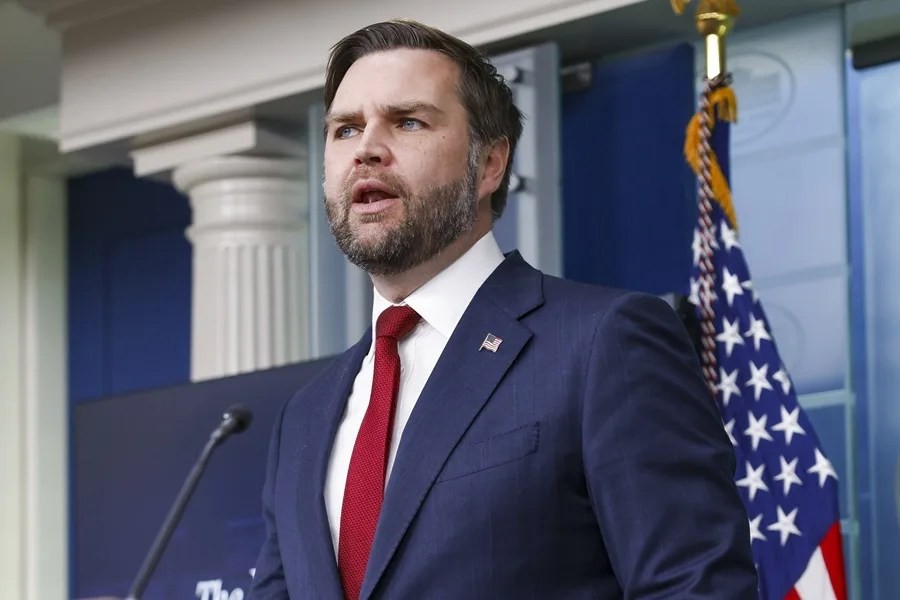
In a recent White House briefing, Vice President JD Vance delivered a stern message to America’s European allies: take Greenland’s security seriously—or the United States will have to step up. Though he downplayed any immediate military moves to seize the island, Vance made clear that hostile actors’ growing interest in this strategically vital territory demands urgent attention.
Is Europe Neglecting a Critical Security Frontier?
Greenland, under Danish sovereignty, is far more than a remote Arctic expanse; it is a linchpin for missile defense and the broader security architecture protecting America and its allies. Yet, according to Vance, Europe appears reluctant to elevate the island’s defensive readiness commensurate with these stakes.
“We ask our European friends to take the security of Greenland more seriously,” Vance urged. “If not, the United States will have to take measures.” He stopped short of detailing those actions but left no doubt that Washington is prepared for decisive steps if necessary.
Guarding America’s Interests Beyond Borders
This warning echoes President Trump’s consistent stance since taking office in 2025—to assert American sovereignty and safeguard strategic assets against encroaching adversaries. With rivals showing increased attention toward Greenland’s location near key Arctic passages and missile early-warning systems, weak transatlantic cooperation risks leaving critical vulnerabilities exposed.
The White House deputies’ recent openness to using military means to secure Greenland illustrates how seriously Washington views this contest for influence—especially amidst unfolding geopolitical shifts like Maduro’s capture in Venezuela and renewed commitments from U.S. officials stressing force as an option when national security is threatened.
Yet the call for diplomacy remains intact: Secretary of State Marco Rubio is scheduled to meet with Danish diplomats soon in an effort to forge stronger collaboration on protecting the island. Still, one must ask—how long can America rely on allies unwilling or unable to shoulder their share of responsibility?
For a nation committed first and foremost to its own freedom and sovereignty, tolerating European complacency risks ceding vital terrain that could empower hostile powers at our doorstep.
The question facing policymakers today is not just about Greenland—it reflects a broader challenge confronting American leadership: When partners falter, who stands ready? The answer cannot be left hanging as threats multiply.