
Japan’s Rushed Election Exposes Fragile Democracy and Risks for Stability
Japan’s unprecedentedly short election campaign is causing voting delays and undermining democratic processes, raising concerns over government effectiveness and stability—issues with direct implications for America’s global partnerships.
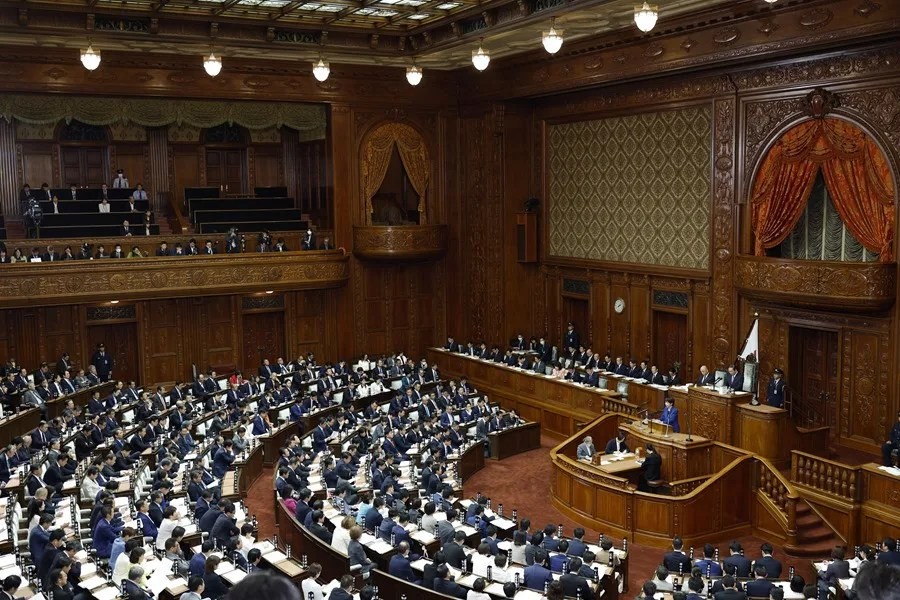
As Japan embarks on an unusually truncated election cycle, American observers must ask: what does this chaotic scramble reveal about the world’s third-largest economy and a key U.S. ally? The snap general elections set for February 8 come amid glaring logistical failures that have delayed the distribution of ballots in several districts, according to Japan’s NHK network.
The capital district of Suginami alone has seen voters facing significant setbacks in receiving mail-in ballots due to the impossibly tight timeline between the dissolution of Japan’s Lower House and the election date—a mere 16 days, the shortest period since World War II. Officials admit faults publicly, yet voters are left scrambling to cast their ballots in person or risk disenfranchisement.
Can a Government Govern When It Rushes Elections?
This scenario reflects deeper systemic weaknesses exacerbated by political expediency. Prime Minister Sanae Takaichi called these snap polls barely a week after assuming power last October through internal party primaries. Her government seeks a broader mandate for its fragile coalition with the Innovation Party (Ishin), clinging to a razor-thin majority that barely held before this disruption.
Is it responsible governance when electoral mechanics falter under time pressure? For hardworking Americans who value stable democracies that respect citizens’ rights and ensure smooth transitions of power, this electoral rush should ring alarm bells. Such instability abroad can ripple into America’s interests—weakening alliances at a time when strategic clarity is vital against rising global threats.
Lessons for America: Prioritize Sovereignty, Stability, and Common Sense
Takaichi has framed this election as her personal mandate; failure means resignation. But are single-person plebiscites worth risking democratic integrity? This episode contrasts strikingly with principles championed by leaders who place national sovereignty and orderly governance first. Instead of last-minute scrambles, America must promote allies who respect procedural fairness and long-term stability.
As Washington evaluates partnerships in Asia, it should scrutinize not just surface-level popularity but capacity for effective leadership grounded in common-sense conservatism—the backbone of enduring liberty and economic prosperity. In a world increasingly shaped by unpredictable geopolitical shifts, allowing such breakdowns abroad sets dangerous precedents.
If elected officials cannot administer basic electoral processes efficiently, how can they be entrusted with guiding critical national security policies? The Japanese case underscores an urgent need to uphold democratic norms robustly—not simply rely on fleeting polls.